
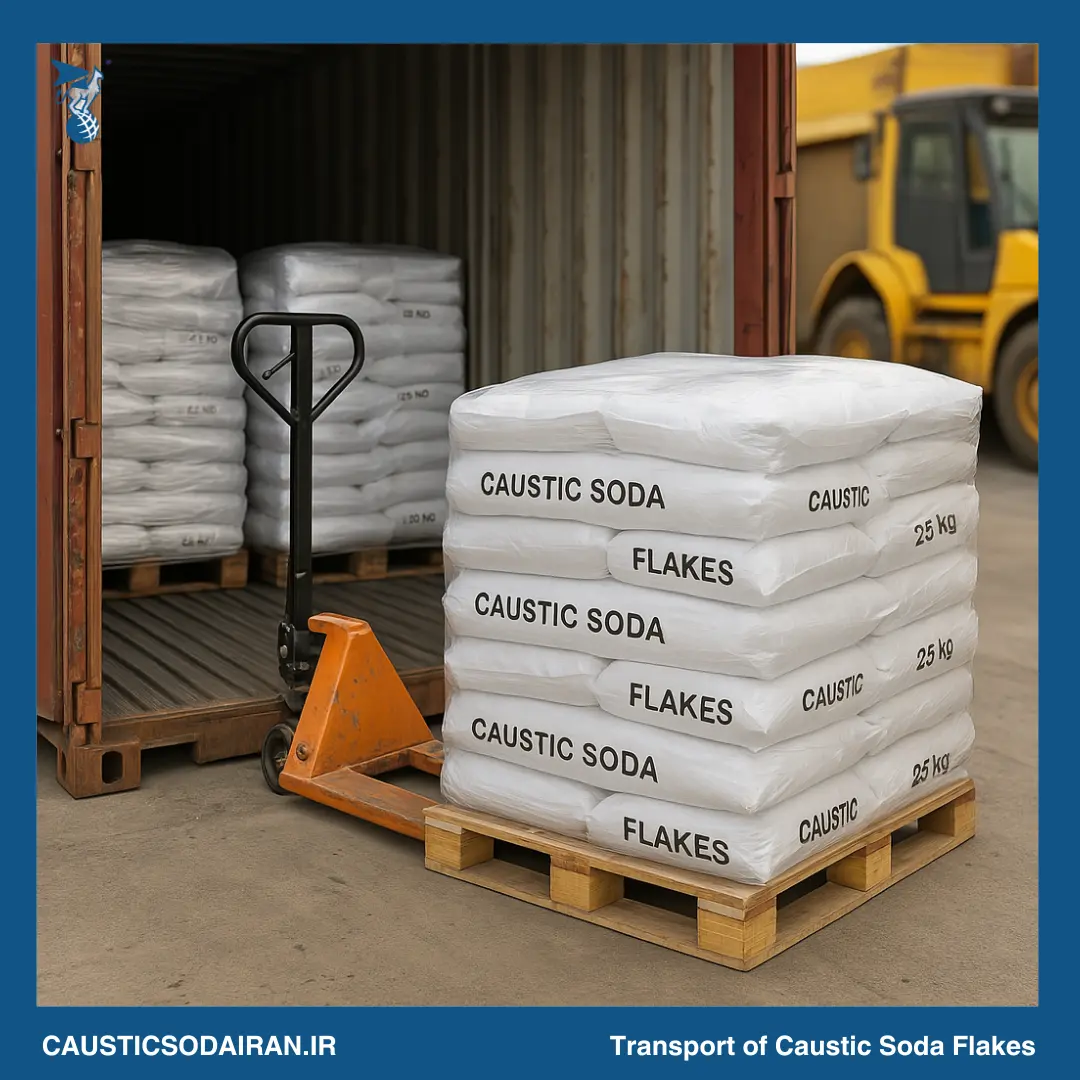
Caustic soda flakes (sodium hydroxide – NaOH) are classified as corrosive and hygroscopic, meaning they react with moisture and can pose safety hazards during handling and transportation. Whether you are delivering locally or exporting internationally, safe and compliant transportation is crucial to maintaining product integrity and ensuring worker safety.
Packaging Requirements
Proper packaging is the first and most important layer of protection when transporting caustic soda flakes. Standard industrial packaging includes:
- 25 kg double-layer polyethylene-lined paper bags
- 1000 kg jumbo bags with inner liners
- Shrink-wrapped pallets for container loading
These packages protect the flakes from moisture and reduce the risk of spillage during loading, transit, and unloading.
Moisture Protection
Since caustic soda flakes are highly hygroscopic, even small amounts of moisture can cause clumping, degradation, and handling difficulties. All packaging must be:
- Tightly sealed
- Stored in dry, well-ventilated conditions
- Covered during loading/unloading if exposed to outdoor elements
Using desiccant packs in containers or moisture indicators can provide extra protection in long-distance shipments.
Labeling and Classification
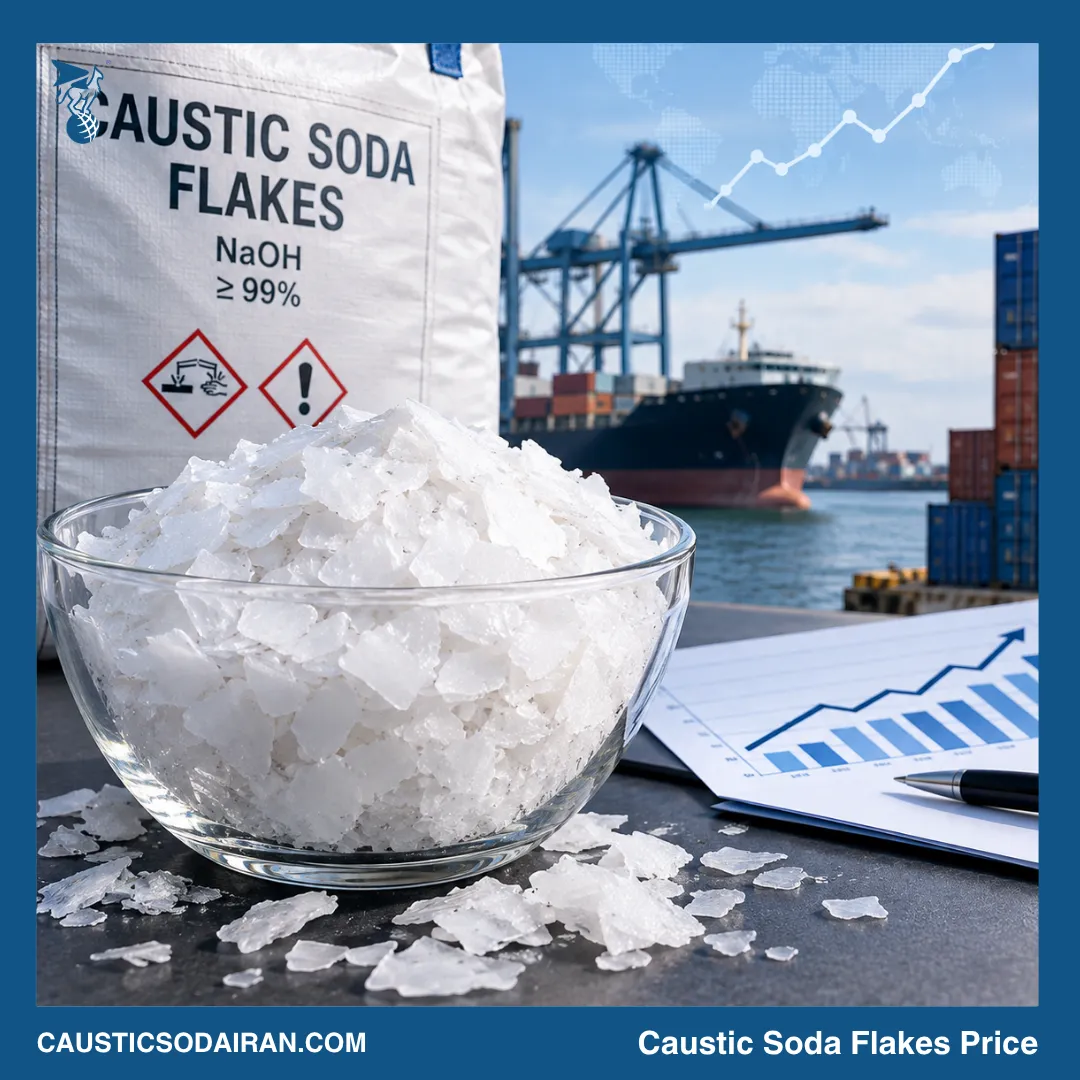
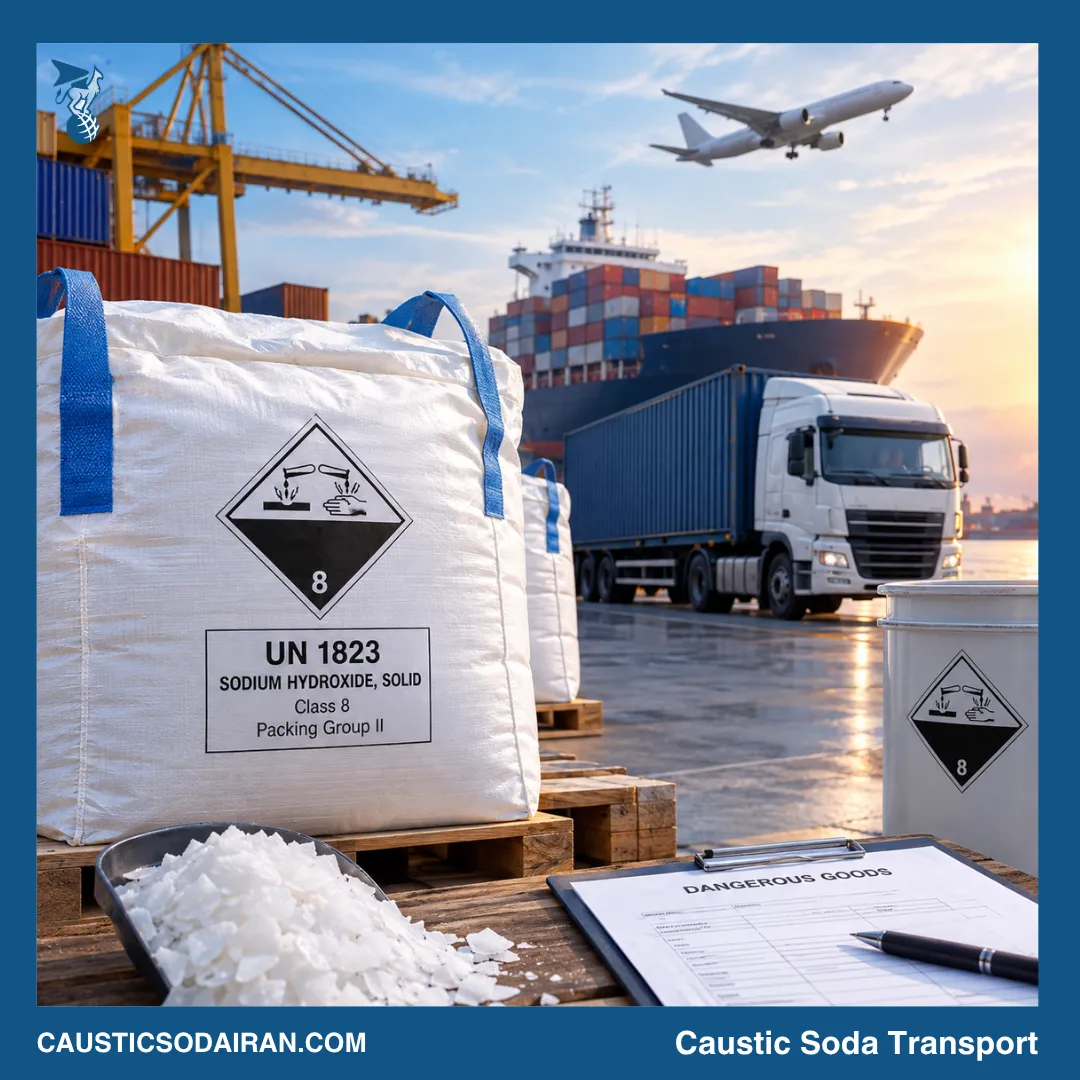
According to international regulations, caustic soda flakes are classified as:
- UN No. 1823 – Sodium Hydroxide, Solid
- Hazard Class: 8 (Corrosive)
- Packing Group: II
Ensure that each package, pallet, and shipping container is clearly labeled with hazard symbols and handling instructions. This is required for customs clearance and helps protect workers during handling.
Loading and Transport Guidelines
During local and export transportation, follow these technical practices:
- Use pallets to prevent direct floor contact and allow forklift handling
- Ensure pallets are secured with stretch film or straps
- Load bags with weight distribution in mind to prevent shifting
- Avoid loading with incompatible chemicals (e.g., acids, organics)
- Choose ventilated containers for long-haul shipments
For road transport, ensure the truck bed is dry, covered, and free of contaminants.
Worker Safety and PPE
Personnel handling caustic soda flakes must be trained and equipped with:
- Chemical-resistant gloves
- Safety goggles or face shield
- Protective clothing
- Dust masks or respirators (for large-scale unloading)
Emergency eye wash stations and spill containment kits should also be available on-site.
Documentation for Export
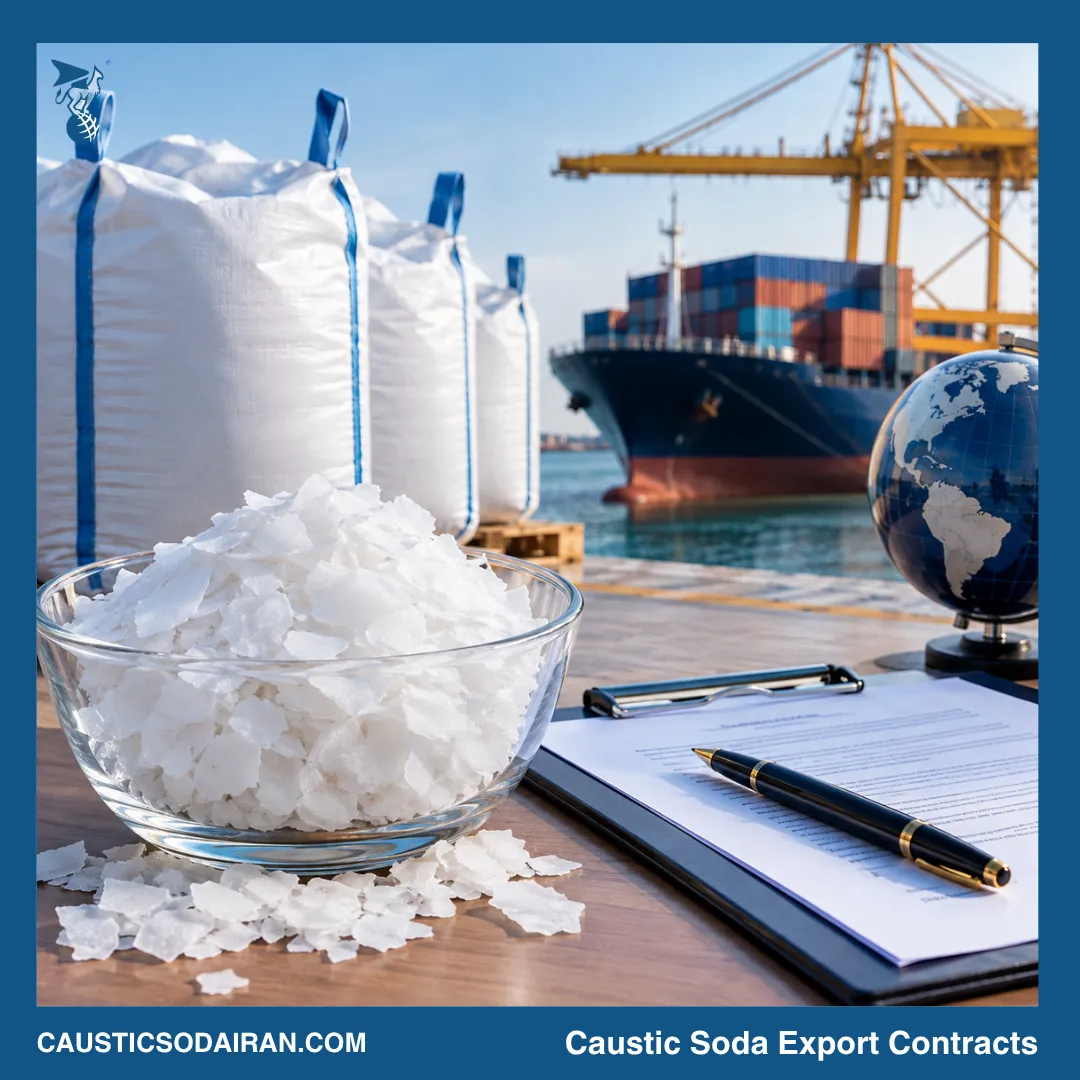
For international shipments, ensure the following documents are prepared:
- COA (Certificate of Analysis)
- MSDS / SDS (Safety Data Sheet)
- Commercial Invoice
- Packing List
- Bill of Lading
- Certificate of Origin (if required)
These documents are vital for customs clearance and compliance with import regulations.
Conclusion About How To Transport Caustic Soda Flakes
Transporting caustic soda flakes safely requires attention to packaging, labeling, moisture control, and documentation. Proper handling ensures product quality, protects workers, and facilitates smooth export or local delivery.
Caustic Soda Iran, a subsidiary of Shetab Gostar Nadin Trading Co., supplies high-purity NaOH flakes with export-compliant packaging and full documentation. Contact us today to discuss bulk transport options for your region.
Leave a Reply