
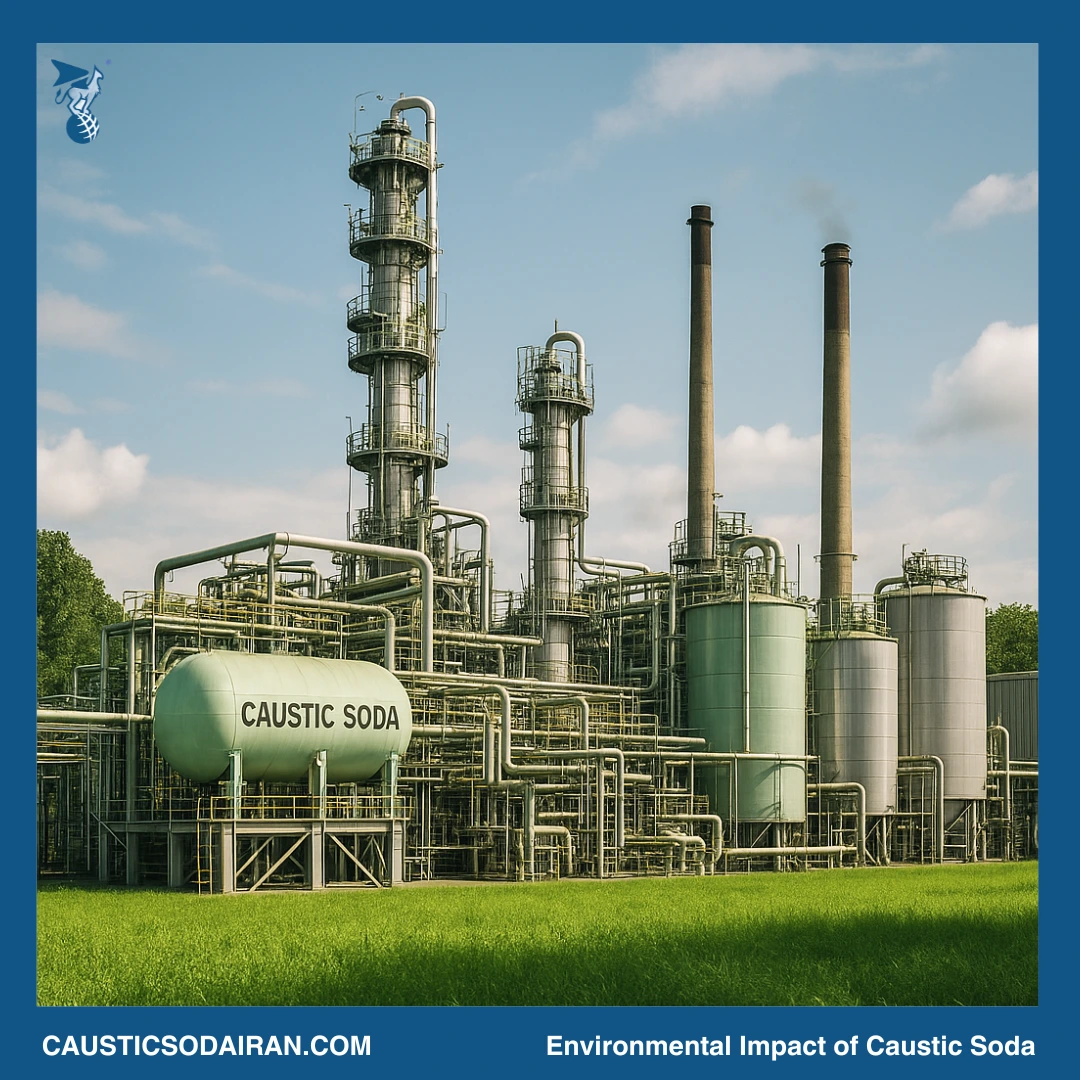
Caustic soda, also known as sodium hydroxide (NaOH), is a fundamental chemical used across various industries, including paper manufacturing, textiles, water treatment, and chemical production. While its industrial significance is undeniable, the environmental impact of caustic soda production and usage has become a growing concern. Understanding these effects is crucial for industries seeking to comply with environmental regulations and adopt sustainable practices.
Environmental Footprint of Caustic Soda Production
The production of caustic soda typically involves the chlor-alkali process, which is energy-intensive and has several environmental implications:
- High Energy Consumption:
Producing caustic soda through electrolysis consumes significant amounts of electricity, contributing to carbon emissions if non-renewable energy sources are used. - Chlorine Emissions:
As a byproduct of the process, chlorine gas must be carefully managed to avoid environmental hazards. Improper handling can lead to air and water contamination. - Salt Brine Disposal:
The process requires concentrated brine solutions. Improper disposal of brine or its impurities can harm aquatic ecosystems.
Pollution Risks from Caustic Soda Usage
Using caustic soda in industrial applications can also create environmental challenges if waste streams are not properly managed:
- Water Pollution:
Discharging untreated alkaline wastewater can alter the pH of natural water sources, affecting aquatic life and biodiversity. - Soil Contamination:
Spills or leaks of caustic soda can lead to highly alkaline soils, reducing fertility and damaging local vegetation. - Air Quality Concerns:
While caustic soda itself is non-volatile, its production and storage may release particulate matter or interact with other chemicals, affecting local air quality.
Sustainable Practices in Caustic Soda Production
Many companies are now adopting greener methods to reduce the environmental impact of caustic soda production:
- Energy Efficiency:
Implementing modern membrane technology in the chlor-alkali process reduces energy consumption compared to older mercury or diaphragm methods. - Renewable Energy Integration:
Sourcing electricity from solar, wind, or hydropower plants lowers the carbon footprint of production. - Waste Management and Recycling:
Closed-loop systems for brine and water help minimize waste and prevent environmental pollution.
Eco-Friendly Solutions for Industrial Users
Industries using caustic soda can also take steps to reduce its environmental footprint:
- Proper Neutralization:
Before disposal, wastewater containing caustic soda should be neutralized with mild acids to achieve a safe pH level. - Closed-Loop Cleaning Systems:
In industries like food processing and chemical cleaning, closed-loop systems allow for the reuse of caustic soda solutions, minimizing waste. - Regular Monitoring and Compliance:
Implementing pH monitoring and complying with local environmental standards ensures safe usage and disposal.
Future Outlook for Sustainable Caustic Soda
With global emphasis on sustainability, the caustic soda industry is moving toward greener production technologies and circular economy models. Companies that adopt eco-friendly practices not only minimize environmental harm but also gain a competitive advantage in international markets that prioritize environmental responsibility.
Conclusion
Caustic soda is essential for countless industries, but its environmental impact cannot be ignored. By adopting energy-efficient production methods, proper waste management, and eco-friendly usage practices, industries can significantly reduce the environmental footprint of caustic soda. Moving toward sustainable practices ensures compliance with global standards and contributes to the protection of our planet’s ecosystems.


Leave a Reply