
Introduction
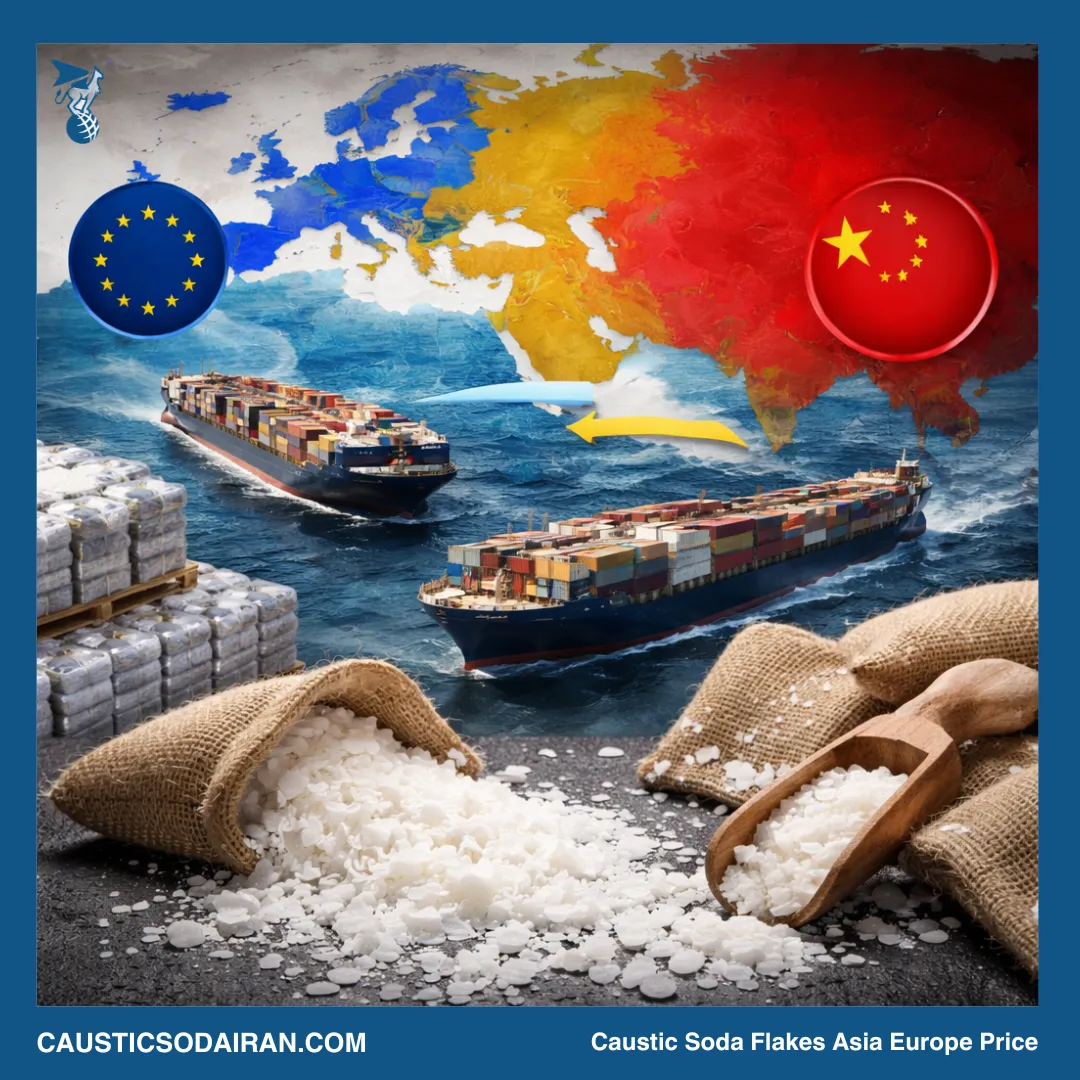
The caustic soda flakes Asia Europe price gap has become a major concern for industrial buyers, traders, and procurement managers worldwide. While both regions consume large volumes of caustic soda flakes for industries such as water treatment, pulp and paper, textiles, alumina refining, and chemical manufacturing, prices can differ significantly between Asia and Europe.
Understanding the factors behind these regional price differences can help buyers optimize sourcing strategies, reduce procurement costs, and manage supply chain risks more effectively.
What Is Caustic Soda Flakes?
Caustic soda flakes, also known as sodium hydroxide flakes (NaOH), are a highly concentrated solid alkali typically produced at 98–99% purity. They are manufactured through the chlor-alkali process and widely used in
- Water treatment
- Textile processing
- Soap and detergent production
- Alumina refining
- Chemical manufacturing
- Pulp and paper industries
Because caustic soda production is closely linked to chlorine production, market dynamics often depend on factors beyond direct demand for caustic soda itself.
Why the Caustic Soda Flakes Asia Europe Price Gap Exists
1. Energy Costs Are Much Higher in Europe
Electricity is the largest cost component in caustic soda production. The chlor-alkali process requires approximately 2,500–3,000 kWh of electricity per metric ton produced. As a result, power prices have a direct impact on manufacturing costs.
European producers face significantly higher electricity and carbon compliance costs compared with many Asian manufacturers. Since energy can represent up to 60% of production expenses, European producers operate with a much higher cost base.
2. China’s Massive Production Capacity Creates Price Pressure
China accounts for more than half of global caustic soda production capacity. Continuous capacity expansions have created abundant supply across Asia, leading to highly competitive export markets.
When domestic demand slows, Chinese manufacturers often increase exports to Southeast Asia, India, and other international markets. This oversupply tends to keep Asian prices lower and more competitive than European prices.
3. Environmental Regulations Increase European Costs
European chemical producers must comply with strict environmental and emissions regulations. Carbon pricing mechanisms, sustainability requirements, and environmental compliance programs increase operating expenses across the region.
Asian producers also face environmental regulations, but compliance costs are generally lower in many manufacturing hubs, providing an additional competitive advantage.
4. Freight and Logistics Costs Affect Landed Prices
Although Asian production costs are lower, transportation expenses can partially reduce this advantage when exporting to Europe.
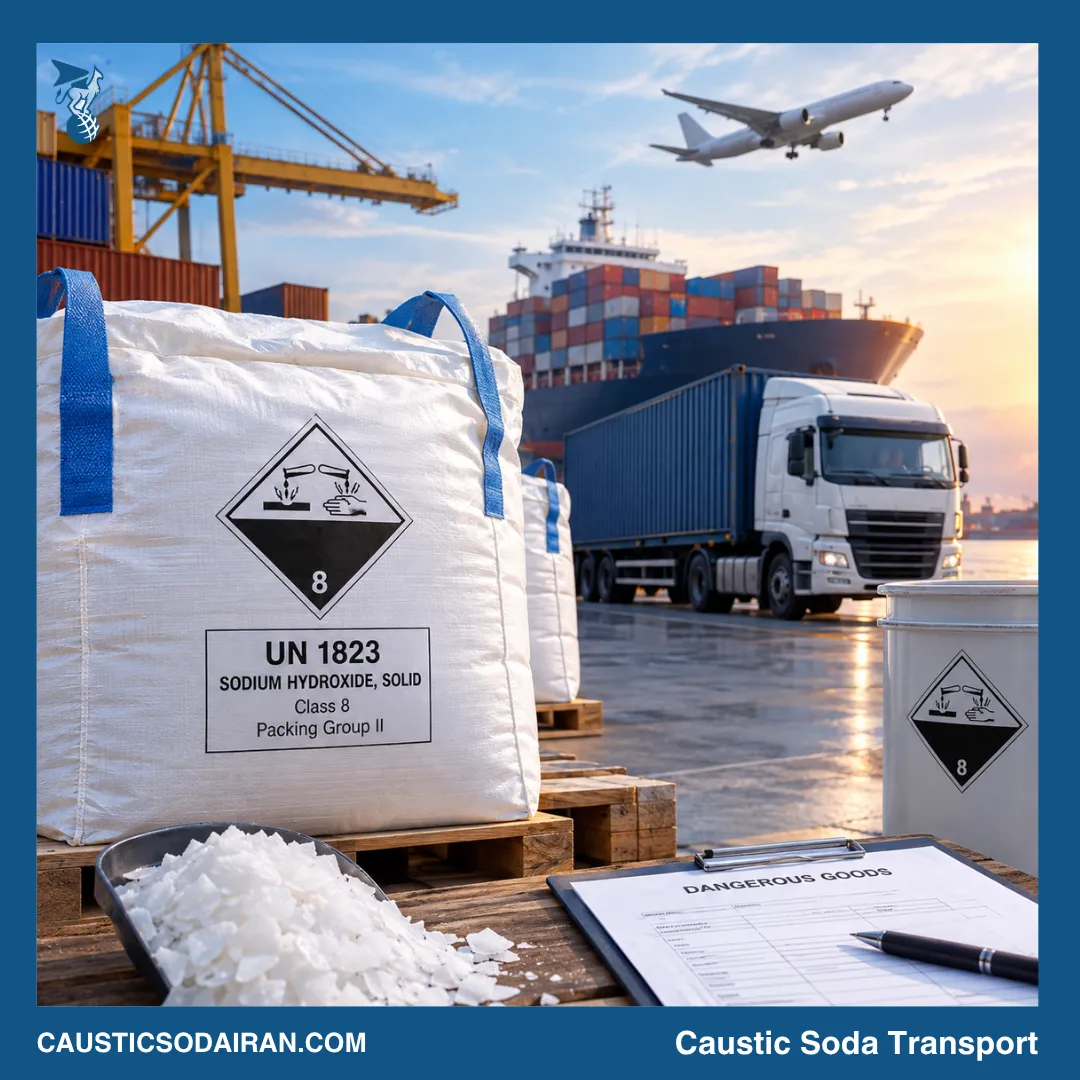
Caustic soda flakes are classified as hazardous materials, resulting in additional handling requirements and dangerous goods surcharges. Shipping disruptions in key trade routes such as the Red Sea and Suez Canal have further increased transportation costs in recent years.
However, even after accounting for freight costs, Asian material often remains more cost-effective than locally produced European product.
5. Different Supply and Demand Dynamics
Asia benefits from strong manufacturing capacity and relatively balanced supply conditions. In contrast, Europe has experienced periods of tighter supply due to higher operating costs, plant maintenance, and production rationalization.
Demand patterns also vary across regions. European consumption from the chemical, paper, and alumina sectors often supports higher prices, while Asian markets may experience softer pricing during periods of oversupply.
Recent Price Comparison
Recent market assessments show a noticeable difference between the two regions:
| Region | Typical Price Level |
|---|---|
| Northeast Asia | Approximately $500–$510/MT FOB |
| Northwest Europe | Approximately €580–€720/DMT |
These figures illustrate the structural premium often observed in European markets.
How Procurement Managers Can Reduce Costs
Companies purchasing caustic soda flakes can improve procurement efficiency by:
- Comparing total landed costs rather than FOB prices alone
- Diversifying suppliers across multiple regions
- Monitoring energy market trends
- Tracking Chinese production capacity expansions
- Negotiating long-term contracts during periods of market softness
- Planning purchases around seasonal demand fluctuations
A strategic sourcing approach can significantly reduce exposure to sudden regional price increases.
Future Outlook
The caustic soda flakes Asia Europe price gap is expected to remain a key feature of the global market. Asian producers continue to benefit from large-scale manufacturing capacity and lower operating costs, while European suppliers face ongoing energy and regulatory challenges.
Unless Europe experiences a substantial reduction in energy costs or Asia faces significant production cuts, Asian-origin caustic soda flakes will likely maintain a competitive pricing advantage in international markets.
Conclusion
The difference in caustic soda flakes Asia Europe price is driven by several interconnected factors, including energy costs, production capacity, environmental regulations, logistics expenses, and regional supply-demand balances. While Europe typically commands a higher price due to structural cost pressures, Asia—particularly China—continues to provide some of the most competitive caustic soda flakes supplies available globally.
For industrial buyers, understanding these market fundamentals is essential for making informed sourcing decisions and maintaining cost-effective procurement strategies in an increasingly competitive global chemical market.

Leave a Reply