
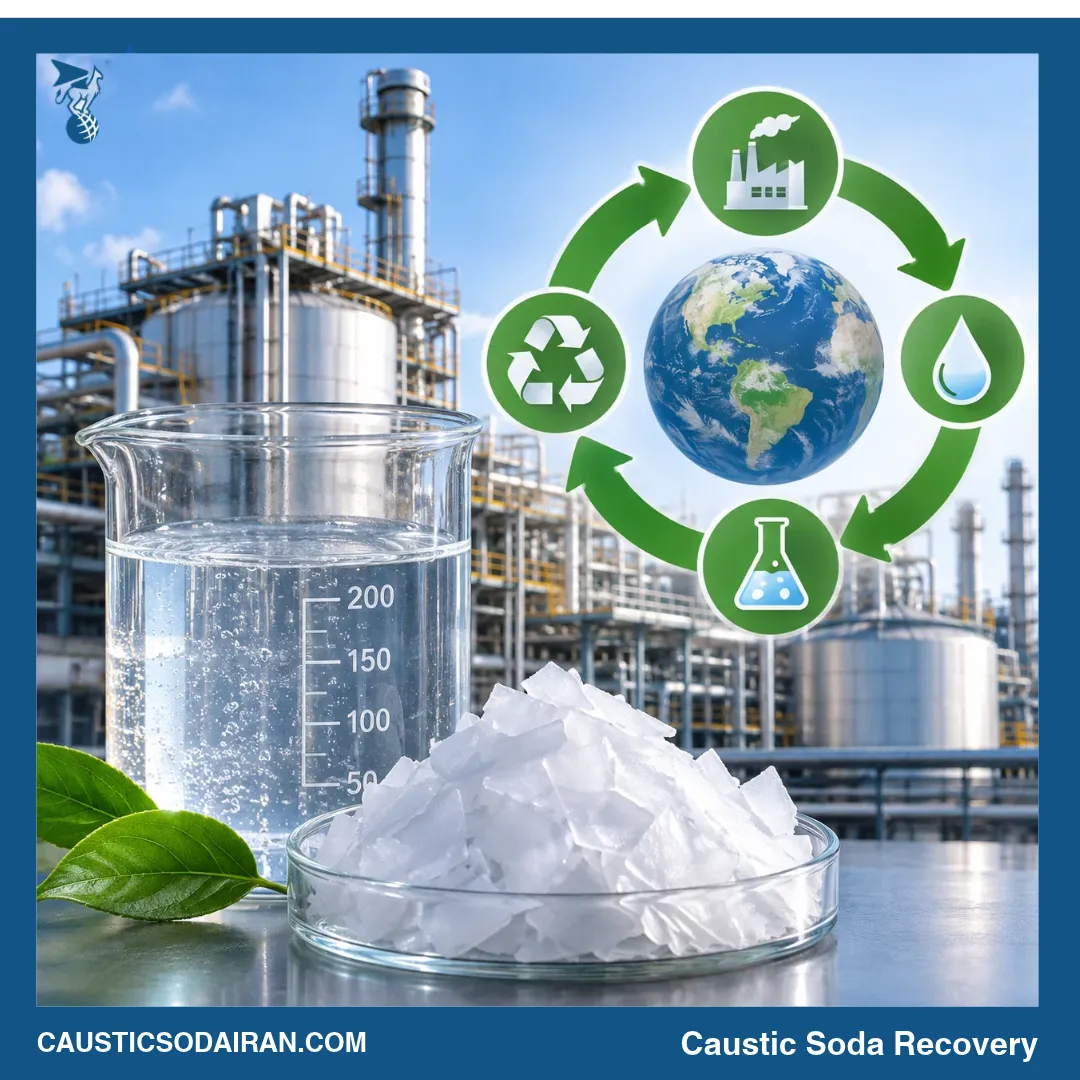
Circular manufacturing is becoming an important strategy for industries seeking to reduce waste, improve resource efficiency, and lower production costs. Instead of treating used materials as waste, manufacturers increasingly focus on recovering and reusing valuable resources. In this approach, Caustic Soda Recovery plays an important role in reducing chemical consumption and improving industrial sustainability.
Caustic soda, also known as sodium hydroxide (NaOH), is widely used in textile processing, pulp and paper production, chemical manufacturing, and water treatment. However, a significant amount of this chemical can be lost during industrial operations. By introducing effective recovery systems and better process management, manufacturers can reduce alkali losses and support more circular production models.
Understanding Alkali Losses in Industrial Processes
Alkali losses occur when sodium hydroxide is consumed, diluted, neutralized, or discharged during manufacturing operations. These losses can increase raw material expenses and create additional wastewater treatment requirements.
Several factors contribute to alkali losses, including:
- Incomplete chemical recovery: Some processes do not recover all the sodium hydroxide remaining in used solutions.
- Excessive chemical dosing: Incorrect operating conditions can result in unnecessary chemical consumption.
- Poor process control: Variations in temperature, concentration, and production conditions may reduce chemical efficiency.
- Equipment leakage: Damaged pipes, valves, and storage systems can cause chemical losses.
- Wastewater discharge: Alkali-containing wastewater may leave production facilities without sufficient recovery.
Identifying these sources is the first step toward improving chemical efficiency.
How Caustic Soda Recovery Supports Circular Manufacturing
Caustic Soda Recovery helps manufacturers reuse sodium hydroxide instead of continuously purchasing fresh chemicals. This approach supports circular manufacturing by keeping valuable chemical resources within production systems for longer periods.
Moreover, recovering alkali can reduce the volume of chemical waste generated by industrial facilities. It also helps companies improve operational efficiency and manage production costs. Understanding how caustic soda is processed and concentrated can also help manufacturers identify opportunities to improve resource efficiency. Learn more about the [production process of caustic soda flakes], including evaporation, concentration, and solidification.
Depending on the industrial application, recovered sodium hydroxide may be reused directly, after concentration adjustment, or following additional purification. The appropriate method depends on the level of contamination and the required product specifications.
Research published in Separation and Purification Technology has also examined electrolysis as a method for recovering caustic soda from green liquor in agro-based paper mills, highlighting its potential for improving chemical resource efficiency.
Key Methods for Reducing Caustic Soda Losses
1. Chemical Recovery and Reuse
One of the most effective approaches is collecting used alkaline solutions and evaluating their suitability for reuse. In industries where sodium hydroxide remains in process streams, recovery systems can separate valuable alkali from unwanted materials.
For example, pulp and paper mills use chemical recovery systems to regenerate sodium hydroxide as part of the kraft pulping cycle. This reduces the need for fresh chemical inputs and improves resource utilization.
2. Membrane Separation Technologies
Membrane-based technologies can support the separation of sodium hydroxide from selected industrial process streams. Their effectiveness depends on the membrane type, chemical composition, temperature, and concentration of the solution.
Although membrane systems are not suitable for every application, they can provide additional opportunities for recovering valuable chemicals and reducing wastewater volumes.
3. Process Optimization and Accurate Dosing
Another important strategy is controlling the amount of sodium hydroxide used in each production stage. Automated dosing systems, concentration monitoring, and regular process evaluations help prevent unnecessary consumption.
As a result, manufacturers can maintain the required chemical conditions while avoiding excessive alkali use.
4. Equipment Maintenance and Leak Prevention
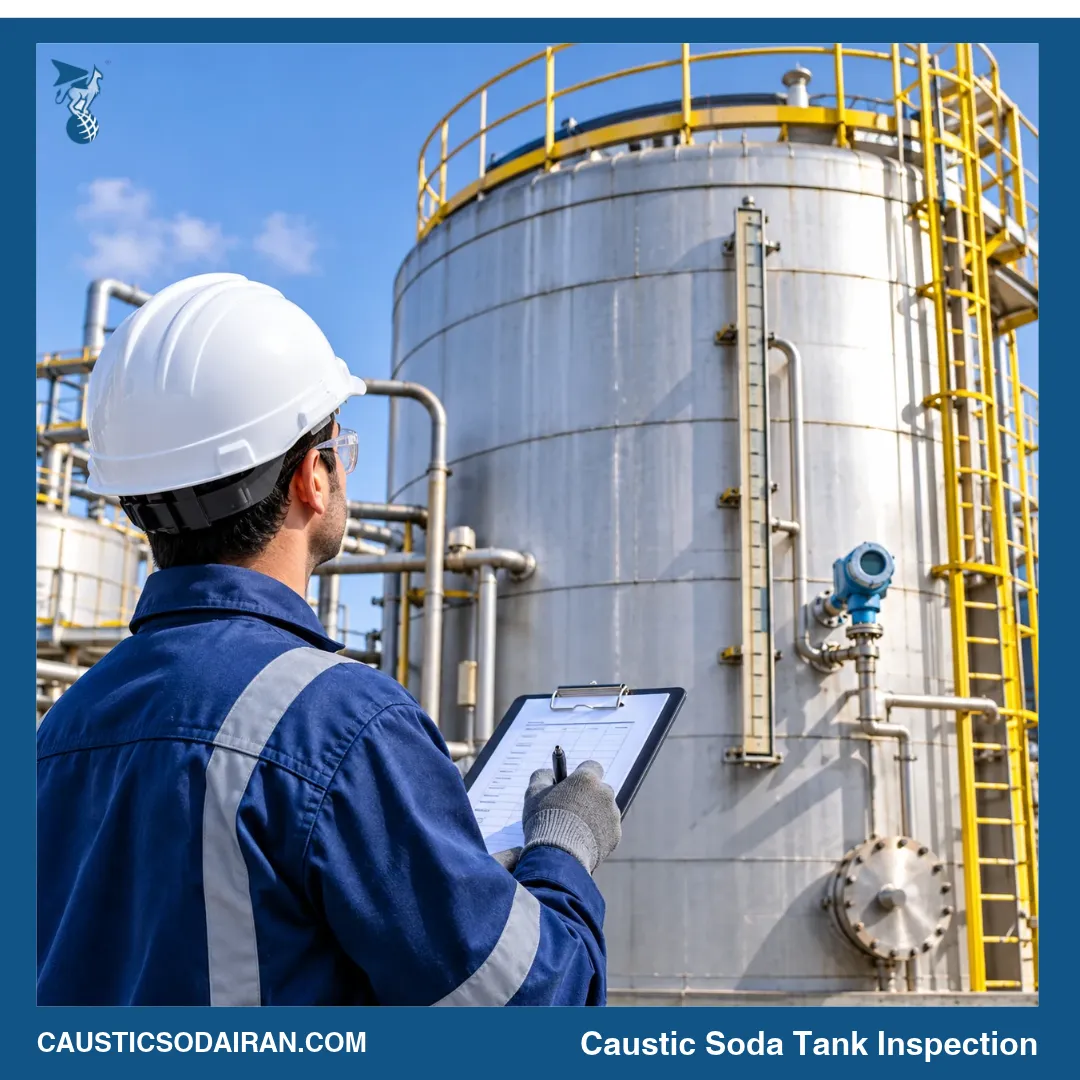
Regular inspections of pipelines, pumps, valves, tanks, and transfer systems are essential for preventing chemical losses. Even small leaks can create significant material losses over extended production periods.
Therefore, preventive maintenance and appropriate equipment selection should be included in every chemical efficiency program.
Industrial Applications of Alkali Recovery
Different industries can benefit from reducing sodium hydroxide losses.
Textile Manufacturing
Textile producers use caustic soda during cotton mercerization and other fabric treatment processes. Recovering alkaline solutions from suitable process streams can reduce chemical consumption and wastewater treatment costs.
Pulp and Paper Production
The pulp and paper industry uses sodium hydroxide in chemical pulping. Chemical recovery operations help regenerate important pulping chemicals and return them to the production cycle.
Chemical Manufacturing
In chemical processing facilities, sodium hydroxide is used for pH adjustment, neutralization, cleaning, and various chemical reactions. Monitoring chemical consumption and evaluating reusable process streams can improve overall efficiency.
Water and Wastewater Treatment
Caustic soda is commonly applied to adjust pH and control water chemistry. Accurate dosing and proper management of residual alkaline solutions can help reduce unnecessary chemical consumption.
Economic and Environmental Benefits of Reducing Alkali Losses
Reducing sodium hydroxide losses offers several advantages for industrial manufacturers.
Lower operating costs: Recovering reusable alkali can reduce the demand for newly purchased caustic soda.
Reduced wastewater generation: Reusing suitable alkaline solutions may decrease the amount of chemical-containing wastewater requiring treatment.
Improved resource efficiency: Better chemical management allows manufacturers to obtain greater value from purchased raw materials.
Lower environmental impact: Reducing chemical discharge and unnecessary consumption can support more sustainable industrial operations.
Better production control: Monitoring chemical recovery and consumption provides useful information for improving manufacturing performance.
However, recovery systems also require investment, energy, maintenance, and quality control. Therefore, manufacturers should evaluate the economic feasibility of each recovery project before implementation.
Challenges in Implementing Caustic Soda Recovery
Despite its advantages, alkali recovery can present several technical and operational challenges.
Contaminants in recovered solutions may affect product quality or interfere with downstream processes. In addition, some recovery technologies require substantial capital investment and specialized equipment.
Concentration management is another important consideration. Recovered sodium hydroxide may need additional treatment before it can be reused safely and effectively.
Consequently, manufacturers should evaluate solution quality, recovery efficiency, operating costs, and compatibility with existing production equipment before selecting a recovery method.
The Future of Circular Manufacturing and Caustic Soda Management
Industrial sustainability increasingly depends on improving the use of raw materials and minimizing production waste. Digital monitoring, automated chemical dosing, advanced separation technologies, and improved wastewater treatment can all contribute to more efficient alkali management.
In the coming years, manufacturers that integrate chemical recovery into their production strategies may achieve better control over operating expenses and resource consumption.
Ultimately, Caustic Soda Recovery is an important part of the transition toward circular manufacturing. By identifying alkali losses, improving process control, and reusing suitable chemical streams, industrial facilities can reduce waste while maintaining production efficiency.
Conclusion
Reducing alkali losses is an effective way to improve industrial resource management. Through chemical recovery, membrane separation, accurate dosing, and preventive maintenance, manufacturers can minimize unnecessary sodium hydroxide consumption.
Although each industrial process requires a different recovery strategy, a well-designed approach can support lower operating costs, reduced waste generation, and more sustainable manufacturing.
Looking for a reliable caustic soda supplier for your industrial operations? Contact our team to learn more about our caustic soda products, request a competitive price quotation, and receive product specifications and an analysis certificate.
Leave a Reply