
Introduction
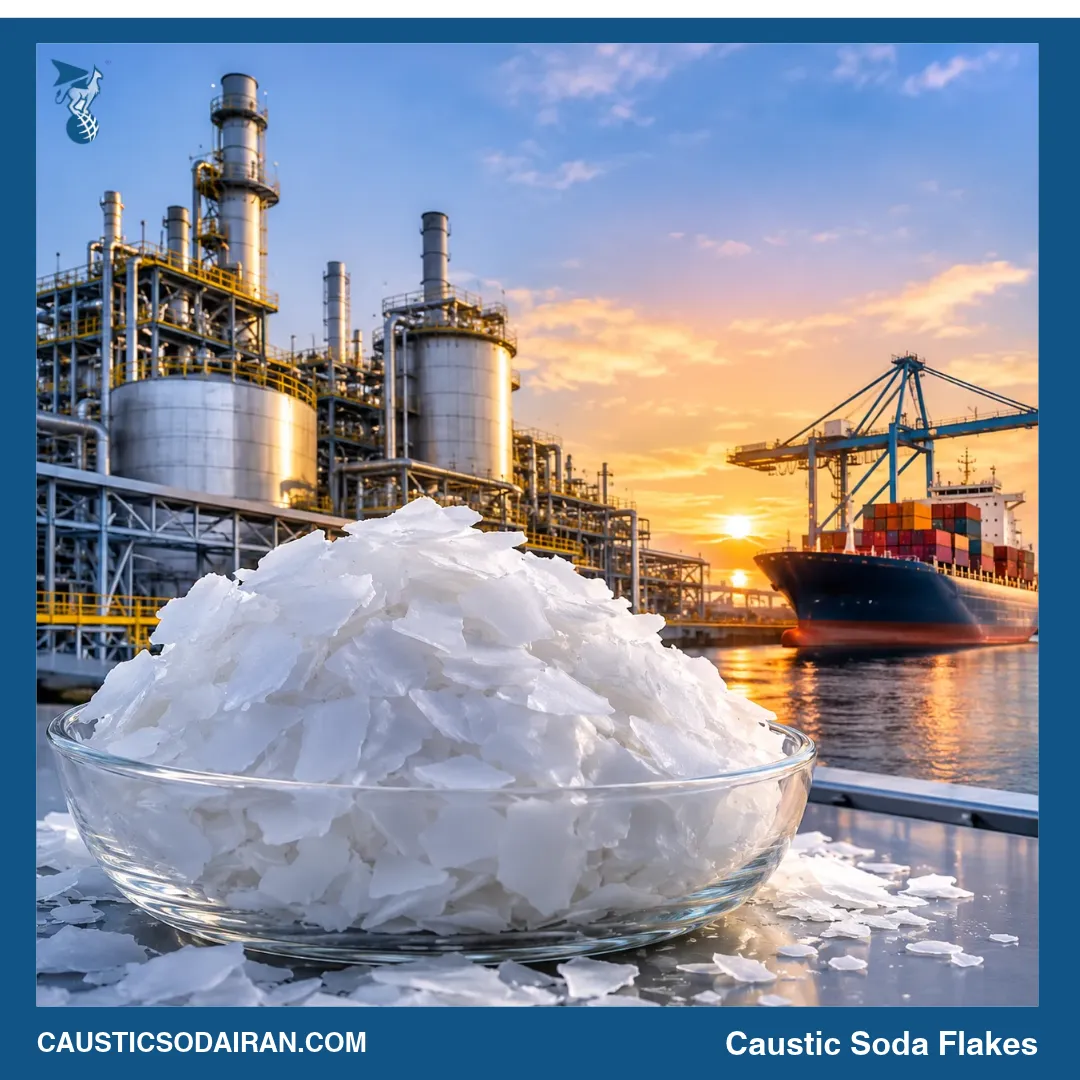
The global chemical industry is experiencing significant changes in production capacity, investment strategies, and international trade flows. One important development is the expansion of Caustic Soda Flakes manufacturing capacity through new industrial plants, chlor-alkali projects, and upgrades to existing production facilities.
Caustic soda, also known as sodium hydroxide (NaOH), is an essential industrial chemical used in alumina refining, pulp and paper manufacturing, textiles, detergents, water treatment, and chemical processing. As demand from these industries evolves, manufacturers are investing in additional production capacity to improve supply security and strengthen their competitive positions.
However, increasing production capacity does more than increase the availability of chemicals. It can also change regional export patterns, influence international prices, create new trade partnerships, and increase competition between established producers and emerging suppliers.
Understanding these developments is essential for chemical manufacturers, distributors, exporters, and industrial buyers operating in international markets.
1. Why Global Caustic Soda Flakes Capacity Is Expanding
Several industrial and economic factors are encouraging manufacturers to increase caustic soda production capacity.
Growing Industrial Demand
Industries such as alumina refining, pulp and paper, textiles, and chemical manufacturing depend heavily on sodium hydroxide. Expansion in these sectors creates additional demand for caustic soda and encourages producers to invest in larger facilities.
For example, alumina refineries use caustic soda to extract alumina from bauxite through the Bayer process. Similarly, textile manufacturers use it in cotton mercerization, while paper producers rely on it in pulping and chemical recovery operations.
Regional Supply Security
Many countries depend on imported caustic soda to support their industrial sectors. This dependence can expose manufacturers to shipping disruptions, currency fluctuations, international price changes, and supply shortages.
Consequently, governments and chemical companies are increasingly interested in developing domestic production facilities. Local production can reduce import dependence and improve access to essential industrial raw materials.
Investment in Integrated Chemical Complexes
Another important driver is the development of integrated chlor-alkali facilities. These plants produce caustic soda, chlorine, and hydrogen through the electrolysis of salt brine.
Integrating these products into downstream chemical operations can improve production efficiency and reduce logistics costs. New facilities may also include additional processing units that convert liquid caustic soda into solid products such as flakes.
2. Major Regions Driving New Production Capacity
Capacity expansion is not occurring equally across all regions. Asia remains a major center of investment, while other markets are focusing on supply security, industrial integration, and export competitiveness.
China: Maintaining a Leading Position
China is one of the world’s largest caustic soda producers and continues to invest in its chlor-alkali industry.
According to GlobalData’s June 2026 outlook, China is expected to account for more than one-quarter of anticipated global caustic soda capacity additions through 2030.
The country’s industrial development, large chemical manufacturing base, and demand from alumina refining and battery-related industries support further investment.
However, additional capacity can also increase competition among domestic producers. When production grows faster than consumption, manufacturers may look toward international markets to sell surplus volumes.
This development can influence export availability and pricing in neighboring Asian markets.
India: Expanding Domestic Production
India is another important market for new caustic soda investments.
GlobalData’s 2024 industry outlook estimated that India could add approximately 2.55 million tonnes per year of caustic soda capacity between 2024 and 2028 through new plants and expansion projects.
The expansion is supported by demand from textiles, alumina, detergents, water treatment, and chemical manufacturing.
New production facilities can reduce India’s dependence on imports while creating opportunities to supply neighboring markets.
As domestic output increases, Indian producers may also become more competitive in regional export markets, depending on production costs and local consumption.
Southeast Asia: Developing Integrated Production
Southeast Asian countries are also strengthening their chemical manufacturing infrastructure.
Indonesia provides an important example. In March 2026, Chandra Asri announced plans for a chlor-alkali and ethylene dichloride project with an initial annual caustic soda production capacity of 400,000 tonnes. Operations were targeted for 2027.
The project is expected to support domestic industrial supply and reduce reliance on imported chemical raw materials.
Similar investments in the region can gradually change established trade relationships by increasing locally available supply.
3. How New Plants Reshape Regional Trade Flows
The expansion of production capacity can significantly influence international chemical trade. When new facilities begin operating, regional supply and demand balances may change.
Industry analysis from Argus Media’s chlor-alkali market research highlights the importance of monitoring regional production capacity, supply-demand balances, and international trade flows when evaluating changes in the global caustic soda market.
Reduced Import Dependence
Countries with new domestic production facilities may reduce their purchases from traditional suppliers.
For example, if a country previously imported large quantities of caustic soda from China, the Middle East, or other Asian producers, additional local capacity could gradually replace some of those imports.
This change may affect exporters that previously relied on these markets.
New Export Opportunities
Not every capacity expansion is designed exclusively for domestic consumption.
Manufacturers with competitive energy costs, efficient production processes, and access to international ports may develop export-oriented business models.
New facilities can therefore create additional opportunities for supplying neighboring countries and markets with limited domestic production.
Changes in Regional Supplier Rankings
As new producers enter the market, established suppliers may face stronger competition.
Buyers can compare more suppliers based on product quality, transportation costs, payment conditions, delivery reliability, and technical specifications.
Consequently, competitive advantages may shift from traditional exporting countries toward emerging production centers.
4. The Difference Between Caustic Soda Capacity and Flakes Production
An important technical consideration is that caustic soda production capacity does not automatically represent solid flakes production capacity.
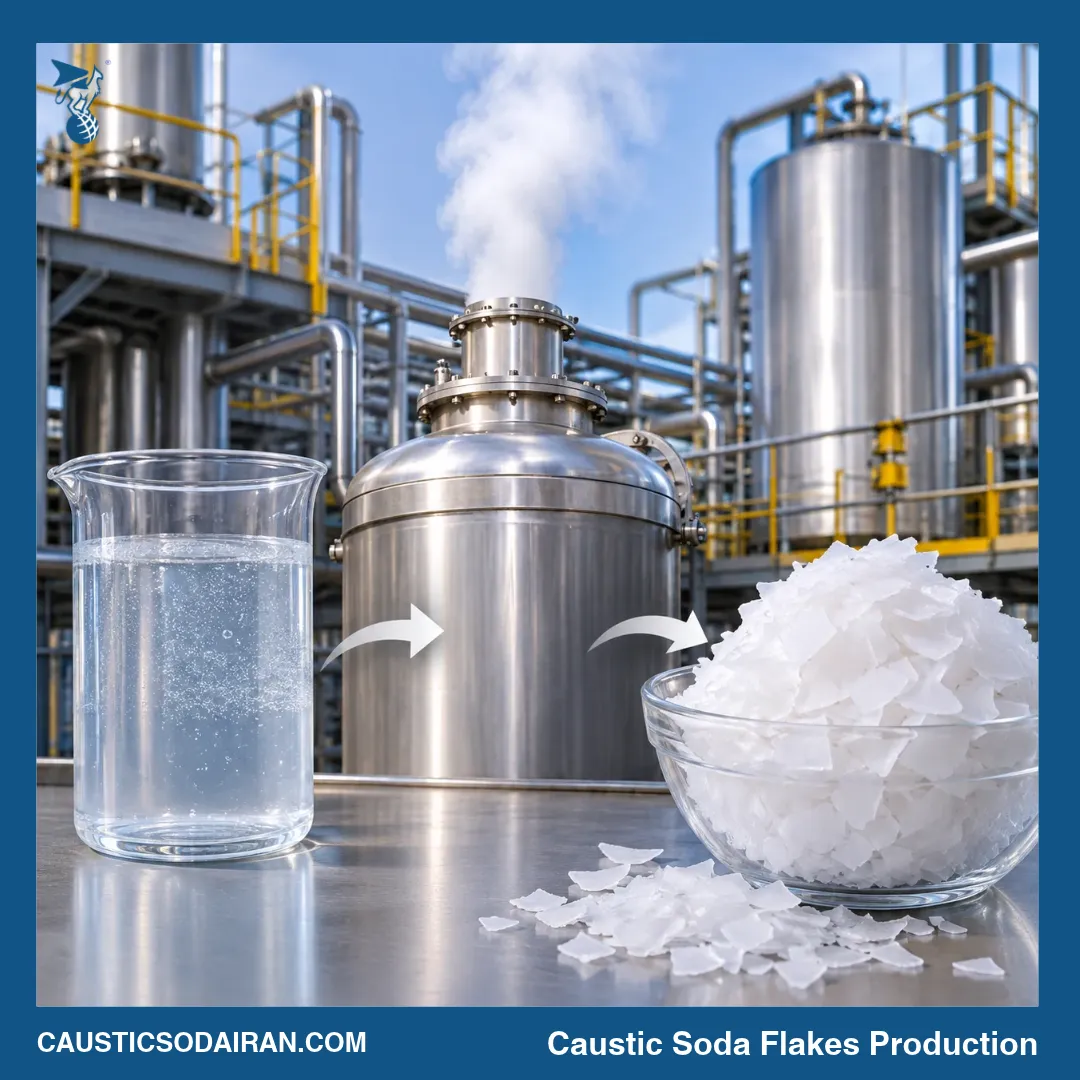
Most chlor-alkali plants initially produce sodium hydroxide as an aqueous solution, commonly marketed as liquid caustic soda.
To manufacture Caustic Soda Flakes, the liquid product must undergo additional processing.
The typical production stages include:
- Liquid concentration: Water is removed from the caustic soda solution through evaporation.
- Further concentration: The material is concentrated to achieve the required high sodium hydroxide content.
- Solidification: The concentrated material is processed into solid flakes.
- Cooling and handling: The flakes are cooled and prepared for subsequent handling.
- Packaging: The finished product is packed in suitable moisture-resistant bags for storage and transportation.
These additional stages require specialized equipment, energy, and quality-control procedures.
The production technology also plays an important role in determining the final product quality. Understanding the differences between membrane and diaphragm electrolysis production methods can help buyers evaluate manufacturing processes and select suitable caustic soda flakes for industrial applications.
Therefore, when evaluating new industrial investments, buyers and traders should distinguish between total chlor-alkali capacity, liquid caustic soda output, and actual solid flakes production capacity.
This distinction is particularly important when assessing the potential supply of export-grade flakes.
5. The Impact of Capacity Expansion on Global Prices
Increasing production capacity can influence international prices, but the relationship is not always straightforward.
When new plants increase supply faster than industrial demand grows, producers may face stronger competition and pressure on selling prices.
However, several other factors determine the final market price.
Energy costs: Electricity is a major cost component in chlor-alkali production. Countries with competitive electricity prices may offer more attractive export prices.
Salt availability: Industrial salt is a key raw material. Its availability, quality, and transportation costs influence production economics.
Transportation expenses: Shipping, port handling, packaging, and inland logistics can significantly affect the delivered cost of caustic soda flakes.
Chlorine market conditions: Chlorine and caustic soda are co-products of the chlor-alkali process. Changes in chlorine demand can influence operating decisions and overall plant economics.
Plant utilization: Newly installed capacity does not necessarily operate at full production immediately. Maintenance, commissioning, market conditions, and operational limitations can affect actual output.
As a result, additional capacity may create downward price pressure in some regions while other markets continue to experience supply constraints.
6. Challenges Facing New Caustic Soda Producers
Although capacity expansion creates opportunities, new projects must overcome several operational and commercial challenges.
High Capital and Energy Requirements
Building a chlor-alkali facility requires substantial investment in electrolysis equipment, power infrastructure, environmental controls, and chemical processing systems.
Electricity costs are especially important because they directly influence production competitiveness.
Environmental and Regulatory Requirements
Chemical manufacturers must comply with environmental regulations concerning energy consumption, emissions, wastewater treatment, and industrial waste management.
Modern membrane-cell technology offers an alternative to older mercury-cell processes and generally provides improved energy efficiency and environmental performance.
Logistics and Export Infrastructure
A production facility may have sufficient manufacturing capacity but still face difficulties entering international markets.
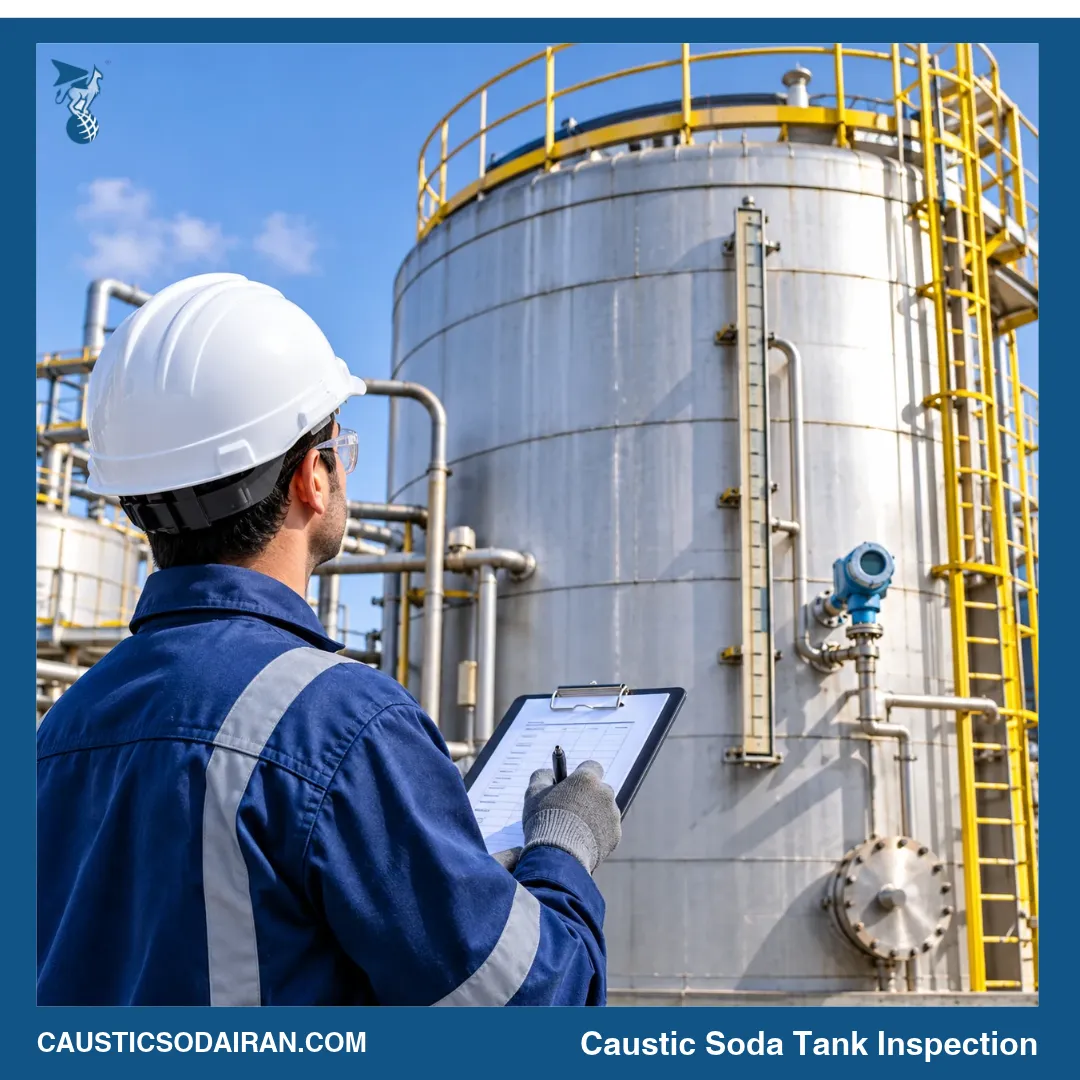
Reliable port access, suitable storage facilities, safe chemical handling systems, and established distribution networks are essential for successful exports.
For flakes producers, packaging quality and moisture protection are also important because sodium hydroxide absorbs moisture from the surrounding environment.
7. What Capacity Expansion Means for International Buyers and Exporters
For international buyers, additional production capacity can provide more sourcing options and improve negotiating flexibility.
However, choosing a supplier should involve more than comparing nominal prices.
Buyers should evaluate:
- Sodium hydroxide concentration and product purity.
- Sodium carbonate and chloride impurity levels.
- Product consistency and batch quality.
- Packaging specifications and storage conditions.
- Production capacity and supply reliability.
- Export experience and shipping arrangements.
- Certificates of analysis and quality documentation.
Exporters, meanwhile, should monitor new industrial investments and regional supply-demand changes to identify markets where demand remains stronger than local production.
Building reliable relationships with manufacturers, maintaining consistent product specifications, and offering competitive logistics solutions can help exporters remain successful in increasingly competitive markets.
8. Future Outlook for the Global Caustic Soda Market
Global caustic soda capacity is expected to continue expanding through the remainder of the decade, with Asia playing a major role in new investments.
However, the long-term impact will depend on the balance between new production and demand growth across downstream industries.
Countries investing in integrated chemical complexes may strengthen their domestic supply chains and become more competitive exporters. At the same time, established producers will need to improve energy efficiency, optimize plant utilization, and maintain consistent product quality.
For Caustic Soda Flakes suppliers, the ability to combine competitive manufacturing costs with reliable packaging, international logistics, and technical quality control will remain an important competitive advantage.
Ultimately, capacity expansion will not simply increase global production. It will reshape sourcing strategies, regional trade relationships, and competition throughout the international caustic soda market.
Conclusion
Global Caustic Soda Flakes capacity expansion is becoming an important factor in the development of the international chemical industry. New plants in China, India, and Southeast Asia are changing regional supply structures and creating new opportunities for producers, exporters, and industrial buyers.
Nevertheless, production capacity alone does not determine market competitiveness. Energy efficiency, downstream integration, product quality, logistics, and access to export markets all influence the success of new investments.
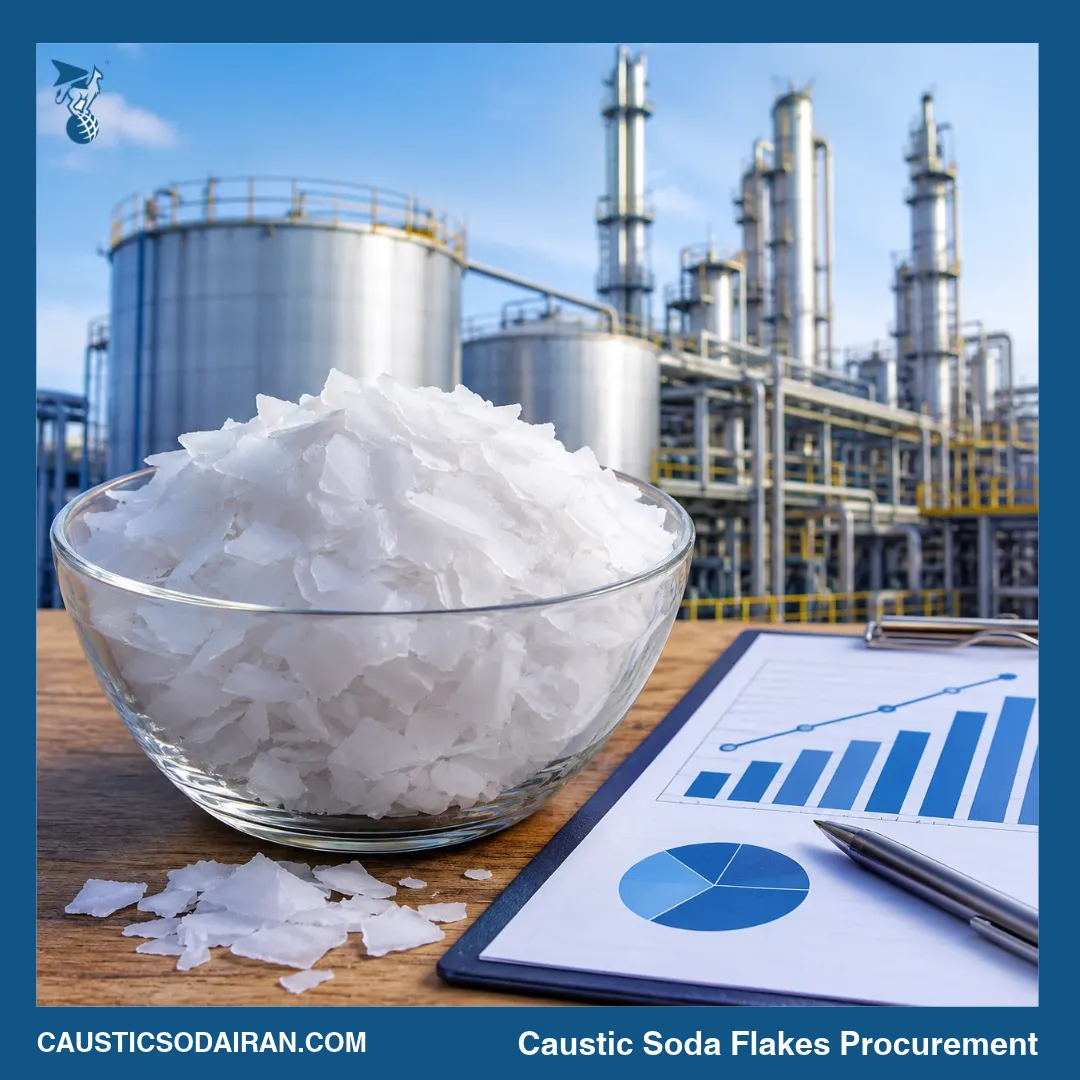
For international buyers, understanding these developments makes it easier to evaluate suppliers and manage procurement strategies. For exporters, monitoring capacity additions and regional demand trends provides valuable insight into emerging trade opportunities.
Looking for a reliable Caustic Soda Flakes supplier? Contact our sales team to request competitive export prices, product specifications, and a Certificate of Analysis (COA). Our team can help you evaluate your supply requirements and arrange suitable solutions for your international orders.
Leave a Reply