
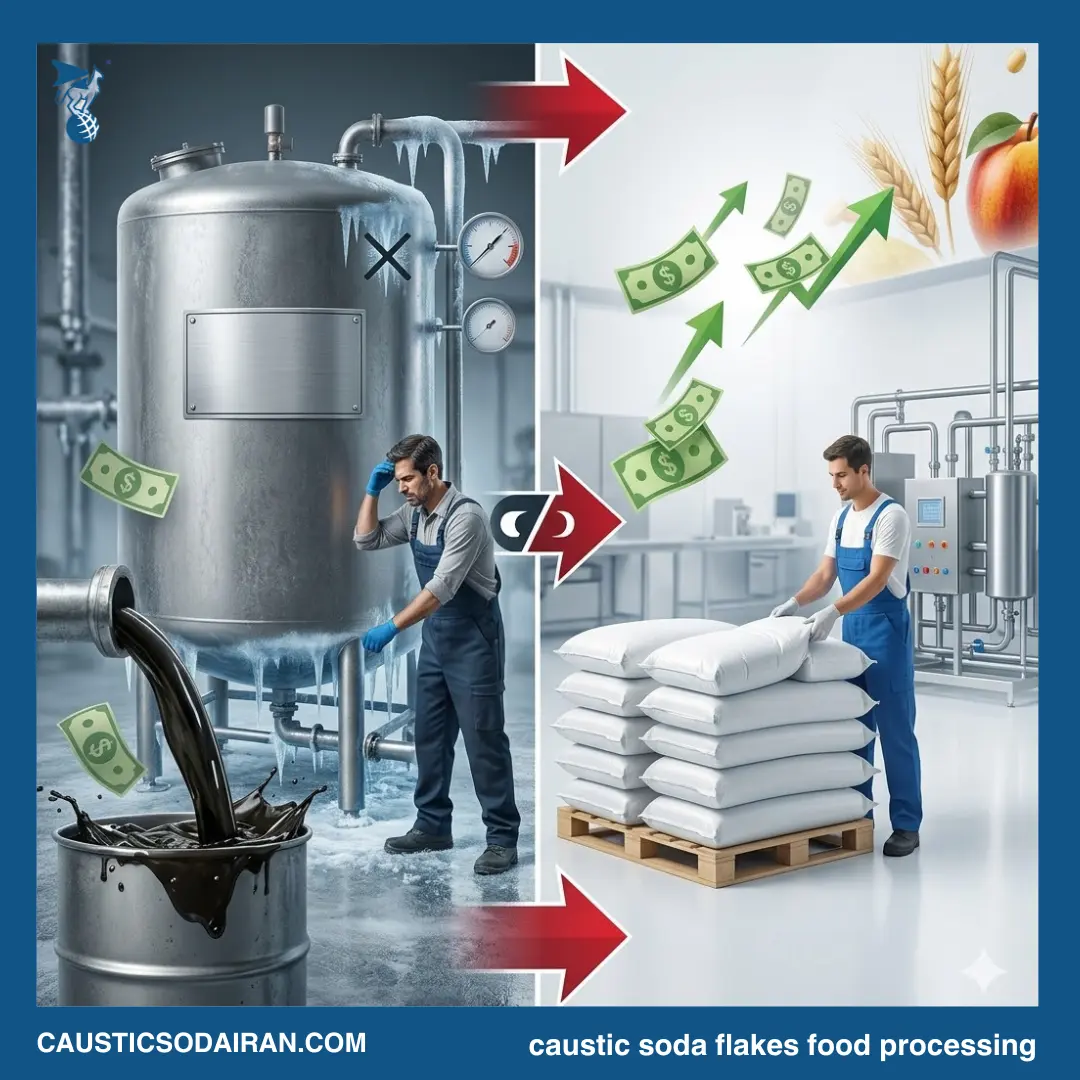
When implementing caustic soda flakes food processing standards, modern production plants face a vital choice regarding their chemical supply. In highly regulated environments, maintaining impeccable hygiene and operational efficiency isn’t just a goal—it’s a legal necessity. For decades, liquid Sodium Hydroxide (NaOH) was the standard chemical choice for Clean-in-Place (CIP) systems, equipment sanitation, and pH regulation. However, industrial manufacturers are increasingly replacing liquid caustic with high-purity solid forms due to several critical operational advantages.
1. Maximum Concentration of Caustic Soda Flakes in Food Processing
One of the most compelling reasons for switching to caustic soda flakes food processing applications is the sheer concentration of the solid product, which directly impacts the facility’s bottom line.
- Liquid Caustic Soda: Typically sold at a maximum concentration of 50%. This means half of what you pay for—and transport—is actually water.
- Sodium Hydroxide Flakes: Boast a premium purity level of 98% to 99% active chemical content.
By eliminating water weight from the supply chain, food processing plants drastically reduce their freight, shipping, and logistics costs. Instead of paying to transport heavy bulk liquids, facilities receive pure chemical power that can be diluted on-site to the exact concentration required for specific food-grade cleaning cycles.
2. Superior Storage and Freezing Resistance of Sodium Hydroxide Flakes
Liquid NaOH comes with a major environmental vulnerability: a high freezing point. A standard 50% liquid caustic solution begins to crystallize and freeze at relatively mild winter temperatures (around 12°C to 15°C). For plants operating in colder climates, this requires expensive heated storage tanks, insulated pipelines, and continuous energy consumption to prevent blockages.
Conversely, utilizing caustic soda flakes food processing lines eliminates these cold-weather vulnerabilities entirely. Solid chemical options offer:
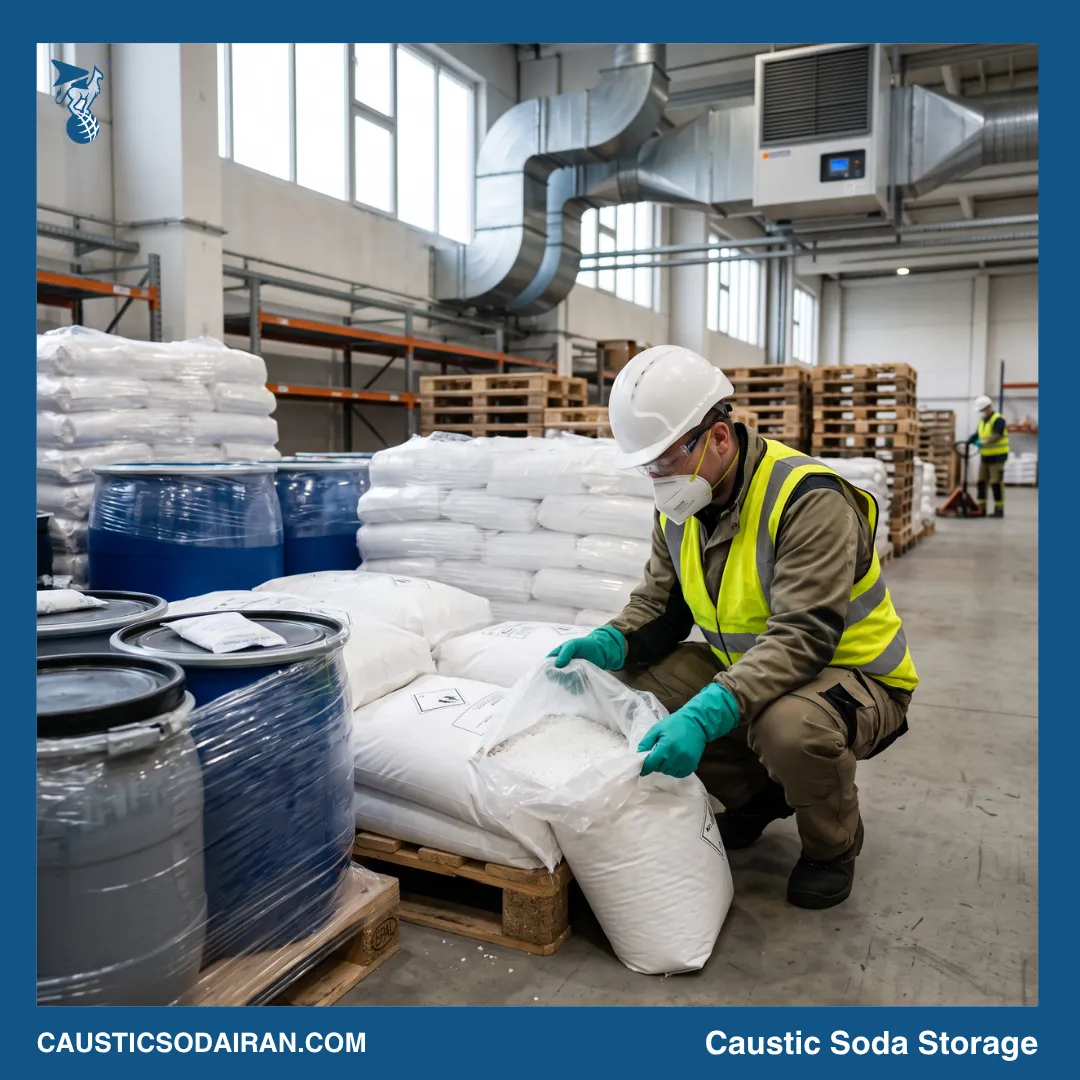
- Indefinite Shelf Life: As long as they are stored in airtight, moisture-proof PP/PE bags, they will not degrade or lose potency.
- Zero Thermal Management Costs: No energy or specialized infrastructure is wasted keeping liquid chemicals warm during winter storage.
- Optimized Warehouse Footprint: Stackable pallets of bags occupy significantly less physical space compared to massive liquid storage silos.
3. High Precision for Food Processing CIP Systems
Food processing lines—whether handling dairy, beverages, brewing, or meat—deal with organic soils, heavy fats, and proteins that require heavy-duty alkaline cleaning. Clean-in-Place (CIP) systems rely on sodium hydroxide to break down these stubborn biofilms through saponification.
$$\text{Organic Fats/Residues} + \text{NaOH} \rightarrow \text{Water-Soluble Soap}$$
By integrating high-purity caustic soda flakes food processing engineers can formulate highly accurate, batch-specific chemical solutions. Since the starting material is consistently near 100% pure, calculating the exact parts per million (ppm) for sanitizing loops is much more precise than adjusting for fluctuating concentrations or degradation often found in aging liquid caustic batches.
4. Enhanced Safety and Spill Risk Mitigation
While handling any strong alkali requires strict PPE and safety protocols, managing liquid versus solid caustic presents entirely different operational risk profiles.
A leak in a liquid caustic pipe or tank can result in rapid, widespread contamination, potentially leaking into wastewater streams or compromising food contact surfaces before it is contained.
Solid alkali options are much easier to contain in the event of an accidental spill. They do not flow or spread across a factory floor, making physical recovery and neutralized cleanup significantly faster, safer, and less damaging to the facility’s environmental compliance record.
5. Meeting International Quality Regulations
Food exporters must adhere to strict international frameworks, such as the Food Chemical Codex (FCC) or guidelines set by the FAO/WHO Joint Expert Committee on Food Additives (JECFA).
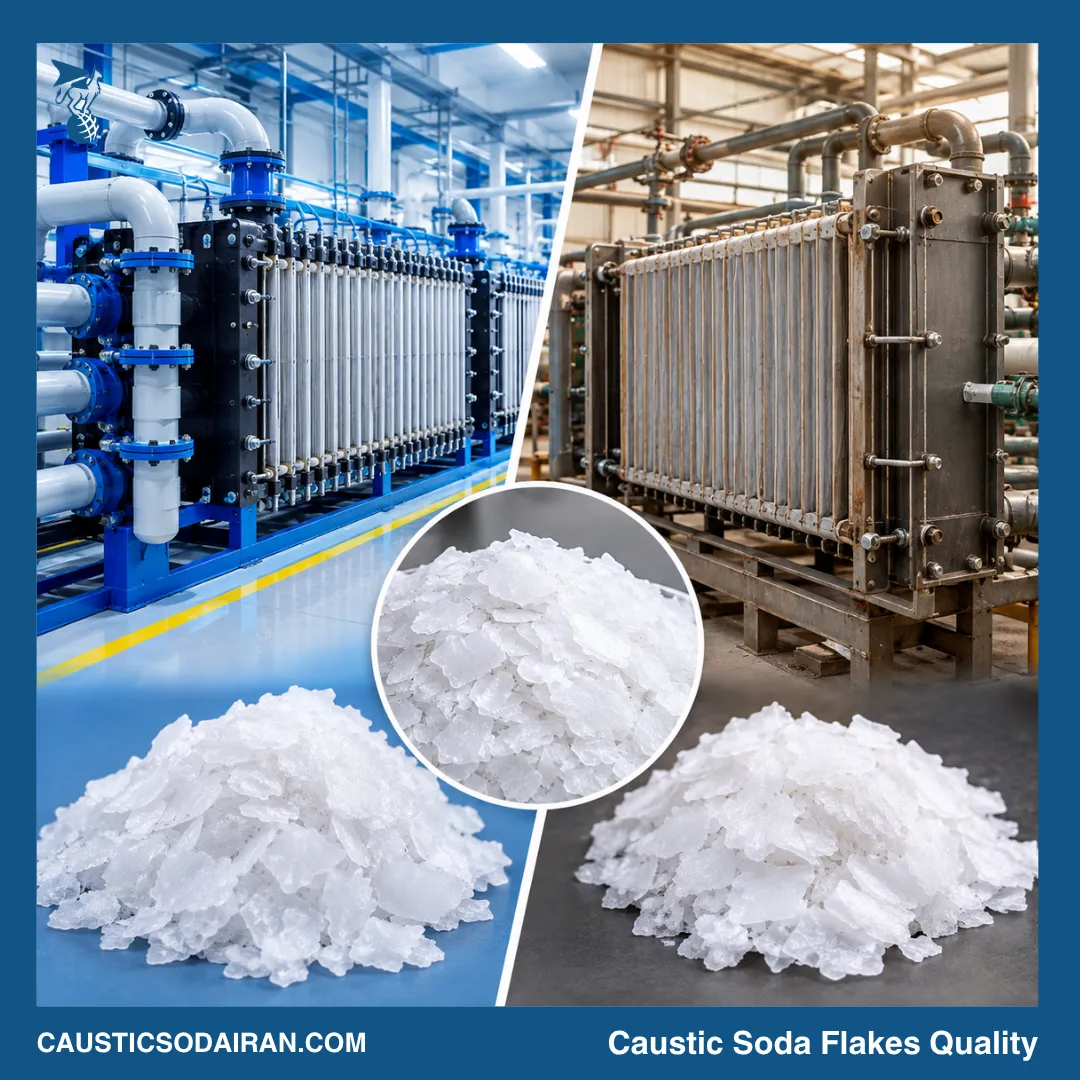
Premium manufacturers ensure their solid products meet strict heavy metal tolerances (such as minimal mercury and arsenic limits) required for indirect food contact. Utilizing high-grade chemical inputs gives quality assurance (QA) managers peace of mind that their sanitizing agents will not introduce unwanted impurities into the production line.
Comparison: The Flake Advantage at a Glance
| Feature | Liquid NaOH (50%) | Caustic Soda Flakes (98%+) |
| Active Concentration | ~50% (High water weight) | 98% – 99% Pure Solid |
| Freezing Point Risk | High (Crystallizes below 15°C) | None (Unaffected by cold) |
| Shipping & Logistics Cost | High (Paying to ship water) | Highly Economical (Pure weight) |
| Storage Requirements | Specialized liquid tanks & heaters | Standard dry warehouse pallets |
Conclusion: Making the Switch for Sustainable Growth
The transition toward modern caustic soda flakes food processing methodologies represents a smart alignment of economic savings and strict quality control. By lowering transportation emissions, eliminating freezing risks, and ensuring precise chemical concentration, food manufacturers are optimizing their supply chains while maintaining pristine sanitary standards.
Partner with a Premium Global Supplier
If your facility is looking to optimize its chemical procurement with top-tier, high-purity solid sodium hydroxide, Caustic Soda Iran is your trusted global partner. We supply premium-grade 99% Caustic Soda Flakes packaged securely to meet the rigorous demands of international manufacturing and transit.
- Ready to optimize your procurement? Contact Our Export Department Today for custom quotes, technical data sheets, and flexible shipping options.

Leave a Reply