
Introduction
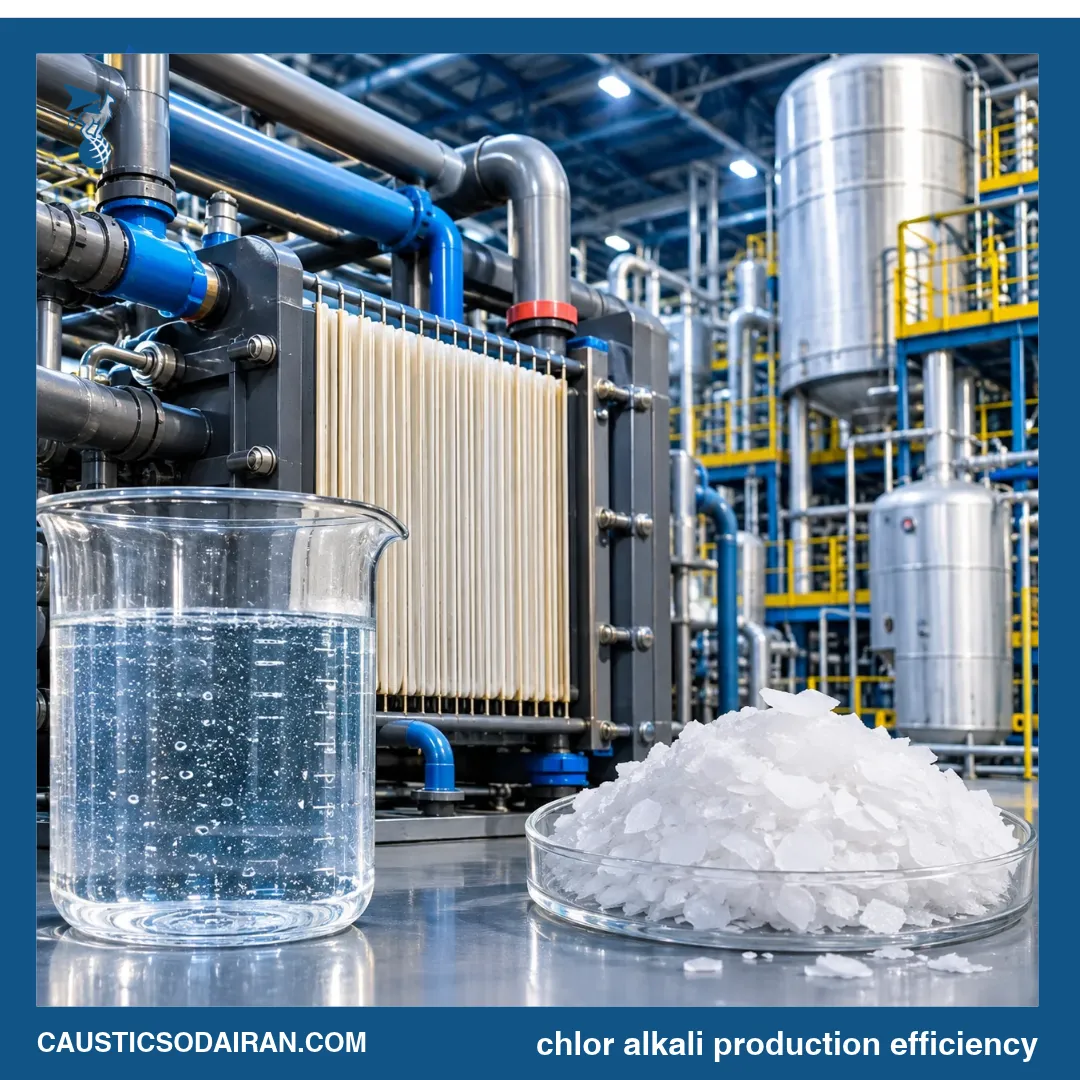
Brine quality plays a critical role in the performance of membrane chlor-alkali cells. In industrial caustic soda production, even small concentrations of impurities in the salt solution can affect membrane performance, increase energy consumption, and reduce overall production efficiency.
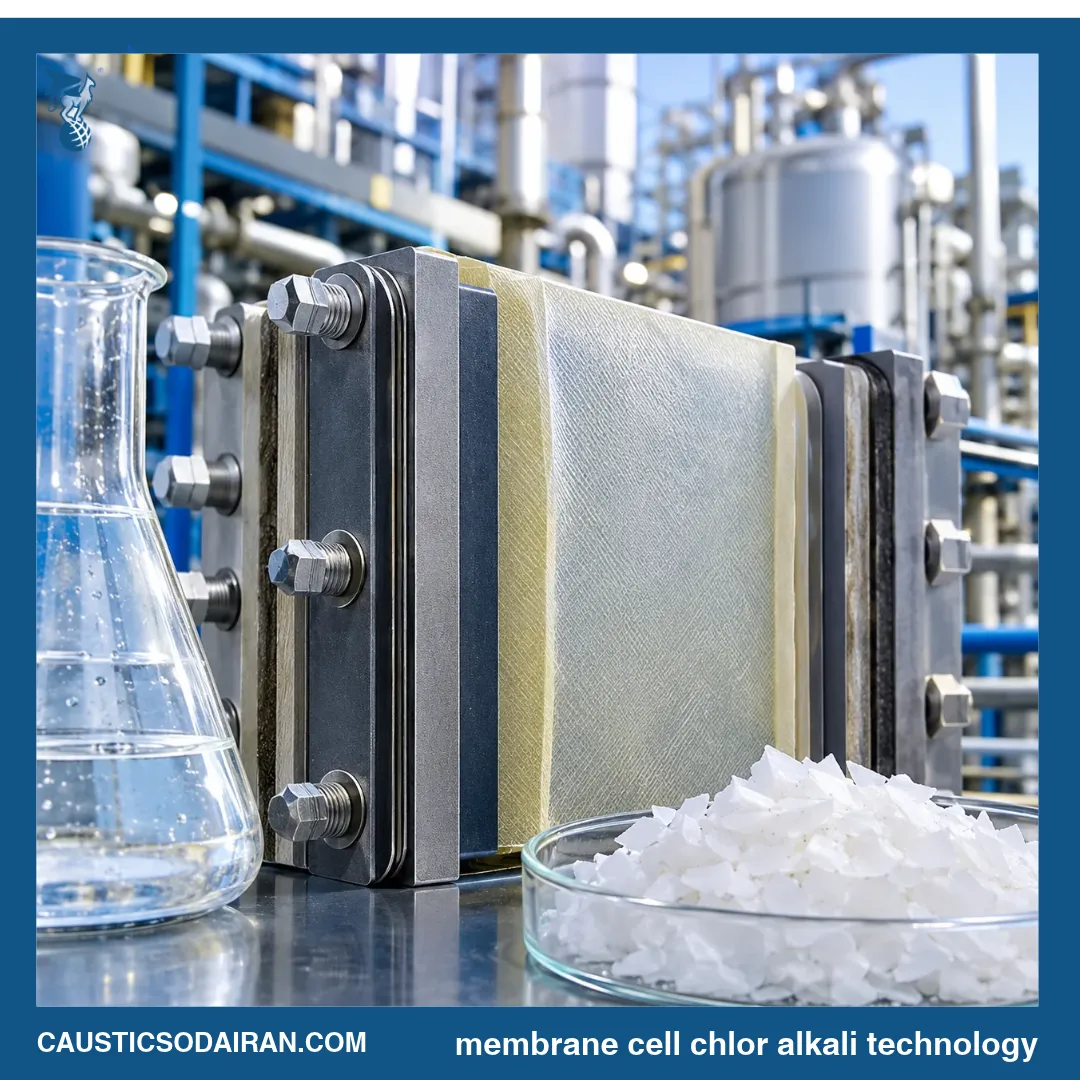
The membrane chlor-alkali process uses purified sodium chloride brine to produce chlorine, hydrogen, and sodium hydroxide. Since the ion-exchange membrane is designed to selectively transport sodium ions, maintaining consistent brine quality is essential for stable operation.
Understanding the relationship between brine purity and chlor alkali production efficiency helps manufacturers improve current efficiency, reduce operating costs, and maintain the quality of caustic soda flakes.
1. Understanding the Role of Brine in the Chlor-Alkali Process
Brine is an aqueous solution of sodium chloride (NaCl) that serves as the primary feedstock in membrane chlor-alkali cells.
During electrolysis, sodium ions migrate through a selective membrane toward the cathode compartment, where they react with water to form sodium hydroxide and hydrogen gas. Meanwhile, chloride ions are oxidized at the anode to produce chlorine gas.
The overall reaction is:
2NaCl + 2H₂O → 2NaOH + Cl₂ + H₂
For this reaction to proceed efficiently, the brine must meet strict purity requirements. Contaminants can interfere with ion transport, damage membrane surfaces, and reduce the effective production of sodium hydroxide.
2. Major Impurities Affecting Brine Quality
Several impurities can negatively influence membrane cell performance. Their effects depend on concentration, chemical form, and operating conditions.
Calcium and Magnesium
Calcium and magnesium are among the most important contaminants in brine. These hardness-forming ions can accumulate within membrane structures and contribute to deposits or scaling.
Their presence may cause:
- Reduced membrane permeability.
- Increased electrical resistance.
- Higher cell voltage.
- Lower current efficiency.
- More frequent cleaning and maintenance.
Chemical precipitation and filtration are commonly used to reduce calcium and magnesium concentrations before brine enters the electrolyzer.
For a broader understanding of how membrane technology influences caustic soda production, read our article on [Membrane vs. Diaphragm Technology in Caustic Soda Production], which explains the differences in brine purity requirements, membrane performance, and production efficiency.
Iron and Other Heavy Metals
Iron and certain transition metals can interfere with membrane operation and contribute to contamination of the electrolysis system.
Even relatively low concentrations may affect membrane selectivity and increase the risk of unwanted deposits. Therefore, metal removal and appropriate filtration are important parts of brine purification.
Sulfates
Sulfate ions can accumulate in the brine circuit, particularly when salt feed contains significant sulfate concentrations.
Excessive sulfate levels may affect brine management and contribute to operational difficulties. Controlled sulfate removal is therefore important for maintaining consistent feed quality.
Suspended Solids and Organic Contaminants
Undissolved particles, organic matter, and other suspended materials can accumulate in equipment and affect brine distribution.
Proper clarification and filtration help prevent these materials from entering the membrane cells.
3. How Brine Quality Influences Current Efficiency
Current efficiency represents the proportion of electrical current that contributes to the desired electrochemical reaction.
A study published in Separation and Purification Technology demonstrates how membrane-based treatment can remove impurities such as calcium, magnesium, iron, and sulfate from saturated brine, helping maintain suitable feed quality for chlor-alkali electrolysis. Read the [research on saturated brine treatment in chlor-alkali processes] for further technical details.
In membrane chlor-alkali electrolysis, high current efficiency means that a greater share of the electrical current is effectively used to produce sodium hydroxide.
Poor brine quality can reduce this efficiency through several mechanisms.
First, contaminant accumulation can affect membrane selectivity and increase unwanted ion transport. Second, deposits may increase electrical resistance, requiring higher operating voltage. Finally, membrane deterioration can increase the movement of hydroxide ions toward the anode compartment, reducing the effective production of caustic soda.
These effects make brine purification a fundamental factor in improving chlor alkali production efficiency.
4. The Relationship Between Brine Purity and Energy Consumption
Electricity represents a major operating cost in chlor-alkali production. Consequently, maintaining high brine purity can provide important economic benefits.
When impurities accumulate on or within the membrane, electrical resistance may increase. This can lead to higher cell voltage and greater electricity consumption per unit of sodium hydroxide produced.
Poor feed quality may also increase maintenance requirements, shorten membrane service life, and cause production interruptions.
By maintaining appropriate brine specifications, manufacturers can support stable cell operation and reduce unnecessary energy losses.
5. Brine Purification Methods for Membrane Electrolysis
An effective purification system is essential for controlling contaminant levels before electrolysis.
Chemical Precipitation
Chemical treatment is commonly used to remove calcium and magnesium. Sodium carbonate and sodium hydroxide can be added under controlled conditions to convert dissolved hardness ions into insoluble compounds.
These precipitates can then be removed through clarification and filtration.
Filtration
Filtration removes suspended particles and residual solids that may otherwise enter the membrane cells.
Industrial filtration systems help maintain consistent brine quality and protect sensitive electrolysis equipment.
Ion Exchange Treatment
Ion exchange systems can provide additional purification when very low concentrations of hardness-forming ions are required.
This treatment is particularly important for achieving the feed specifications recommended by membrane manufacturers.
Secondary Brine Purification
Some chlor-alkali facilities use additional purification stages to control residual calcium, magnesium, and other contaminants.
The selection of treatment methods depends on raw salt quality, plant design, membrane specifications, and operating conditions.
6. Monitoring Brine Quality and Improving Process Stability
Continuous monitoring helps manufacturers identify changes in feed quality before they negatively affect cell performance.
Important parameters include:
- Sodium chloride concentration.
- Calcium and magnesium levels.
- Sulfate concentration.
- Iron and other metal concentrations.
- Suspended solids.
- Brine pH and temperature.
Regular laboratory testing, online monitoring, and proper process control help maintain consistent feed conditions.
In addition, monitoring cell voltage and current efficiency provides useful information about the relationship between brine quality and electrolysis performance.
7. Implications for Caustic Soda Flakes Production
The quality of brine entering the membrane cells directly influences the reliability of sodium hydroxide production.
However, caustic soda flakes are produced through additional processing stages after electrolysis. The resulting sodium hydroxide solution is concentrated through evaporation and subsequently solidified into flakes.
Therefore, maintaining clean brine supports stable electrolysis, while appropriate evaporation, concentration, and finishing operations help achieve the required final product specifications.
For manufacturers, controlling feed quality throughout the process can improve production consistency, reduce operating losses, and support reliable caustic soda flakes manufacturing.
8. Best Practices for Improving Chlor-Alkali Production Efficiency
Manufacturers can improve operational performance through several practical measures:
- Control raw salt quality: Select suitable salt feedstocks and regularly evaluate their impurity levels.
- Optimize brine purification: Maintain effective chemical treatment, clarification, filtration, and polishing systems.
- Monitor membrane performance: Track cell voltage, current efficiency, and membrane condition.
- Prevent contaminant accumulation: Establish appropriate brine purge and recycling strategies.
- Maintain operating conditions: Follow membrane supplier recommendations for temperature, concentration, and pressure.
- Implement preventive maintenance: Inspect purification equipment and replace filtration materials when necessary.
These practices help maintain consistent electrolysis conditions and reduce the risk of unexpected production losses.
Conclusion
Brine feed quality is a fundamental factor in membrane chlor-alkali performance. Calcium, magnesium, heavy metals, sulfates, and suspended solids can negatively affect membrane selectivity, electrical resistance, and current efficiency.
Effective purification, continuous monitoring, and preventive maintenance help manufacturers maintain stable electrolysis conditions and reduce energy consumption.
For caustic soda flakes producers, investing in reliable brine treatment is not simply a purification requirement. It is an important part of improving production efficiency, controlling operating costs, and maintaining consistent product quality.
Contact Us for High-Quality Caustic Soda Products
Looking for a reliable supplier of high-quality caustic soda flakes? Caustic Soda Iran provides caustic soda products for various industrial applications, with a focus on consistent quality and dependable supply.
Contact our team today to request product specifications, discuss your requirements, and receive a competitive price quotation.
Get in touch with Caustic Soda Iran for your caustic soda flakes requirements.
Leave a Reply