
Introduction
Caustic Soda Bayer Process is a critical combination in modern alumina production, where sodium hydroxide (NaOH) plays a strategic role in converting bauxite ore into high-quality alumina. The Bayer Process is the primary industrial method used worldwide for refining bauxite, and caustic soda is one of the most important chemical inputs that directly affects extraction efficiency, energy consumption, and overall production costs.
Because alumina refineries require stable chemical performance and consistent raw material quality, understanding the role of caustic soda in the Bayer Process is essential for producers, suppliers, and industrial buyers.
What Is the Bayer Process?
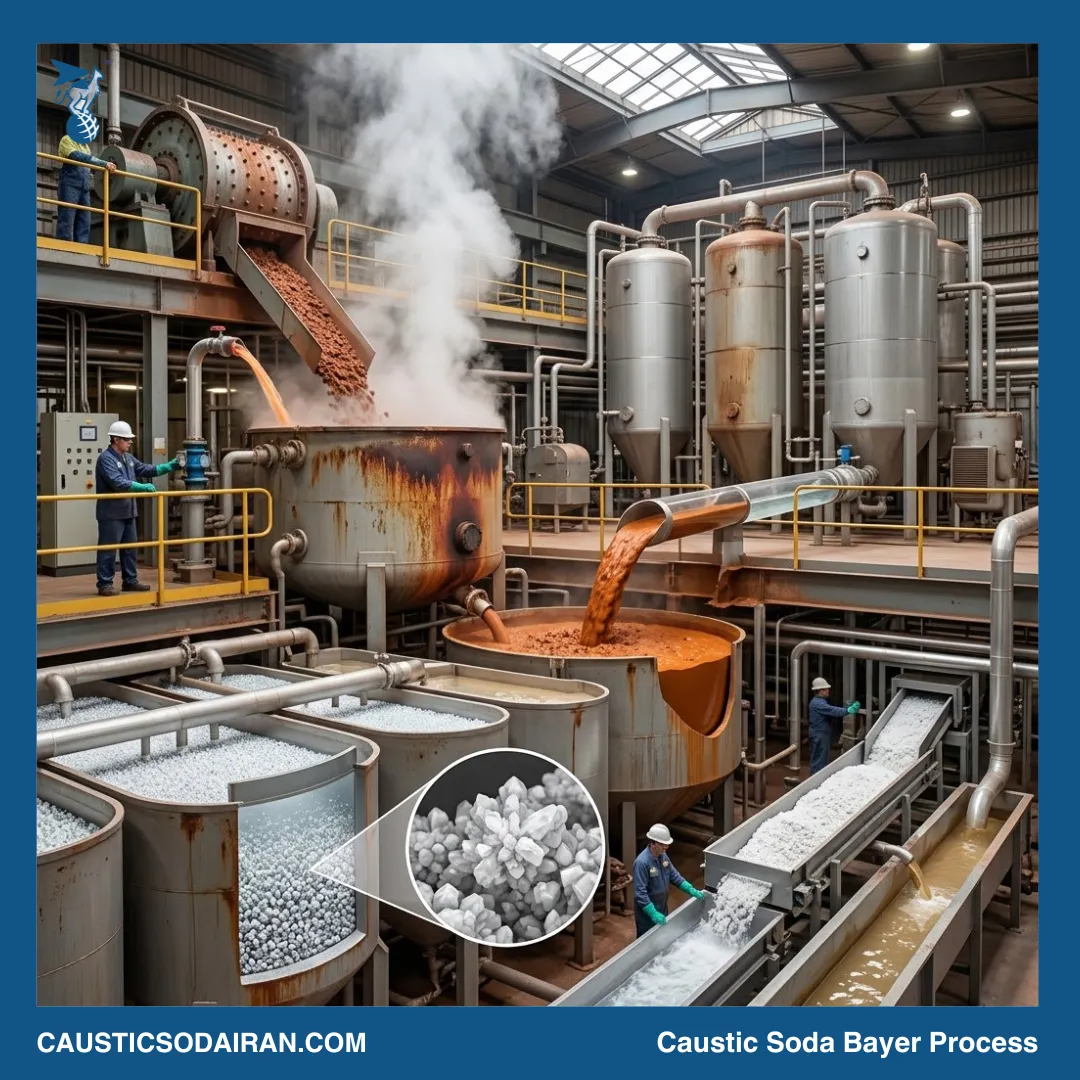
The Bayer Process is a chemical refining method developed to extract alumina (aluminum oxide) from bauxite ore. Since bauxite contains aluminum minerals mixed with impurities such as iron oxides, silica, and titanium compounds, a selective process is required to separate aluminum components. The Bayer Process is the primary industrial method used for alumina refining and consists of several stages including digestion, clarification, precipitation, and calcination. More details about Bayer Process and alumina refining can be found in industry resources.
The main stages of the Bayer Process include:
- Bauxite crushing and grinding
- Digestion with caustic soda solution
- Clarification and removal of insoluble residues
- Precipitation of aluminum hydroxide
- Calcination to produce alumina
Among these stages, digestion is the most important step where caustic soda performs its primary function.
Why Caustic Soda Is Essential in Bauxite Digestion
During the digestion stage, crushed bauxite is heated under pressure with a concentrated caustic soda solution. Sodium hydroxide reacts with aluminum-containing minerals and converts them into soluble sodium aluminate. For a detailed explanation of how sodium hydroxide supports alumina extraction, see our guide on Using Caustic Soda Flakes in the Bayer Process.
The chemical reaction allows aluminum compounds to dissolve while unwanted materials remain as solid residues, commonly known as red mud.
The efficiency of this reaction depends on several factors:
- Caustic soda concentration
- Temperature and pressure conditions
- Bauxite mineral composition
- Impurity levels in the ore
A properly controlled caustic soda concentration improves aluminum extraction and reduces processing losses.
Improving Alumina Recovery Through Sodium Hydroxide Optimization
One of the main strategic advantages of using caustic soda in the Bayer Process is maximizing alumina recovery. Insufficient sodium hydroxide levels can reduce digestion efficiency, while excessive usage can increase chemical costs and create additional processing challenges.
Optimizing caustic soda consumption helps refineries:
- Increase aluminum dissolution rates
- Improve production efficiency
- Reduce waste generation
- Maintain consistent alumina quality
For large-scale alumina producers, effective NaOH management has a direct impact on profitability.
The Role of Caustic Soda Quality in Alumina Refining
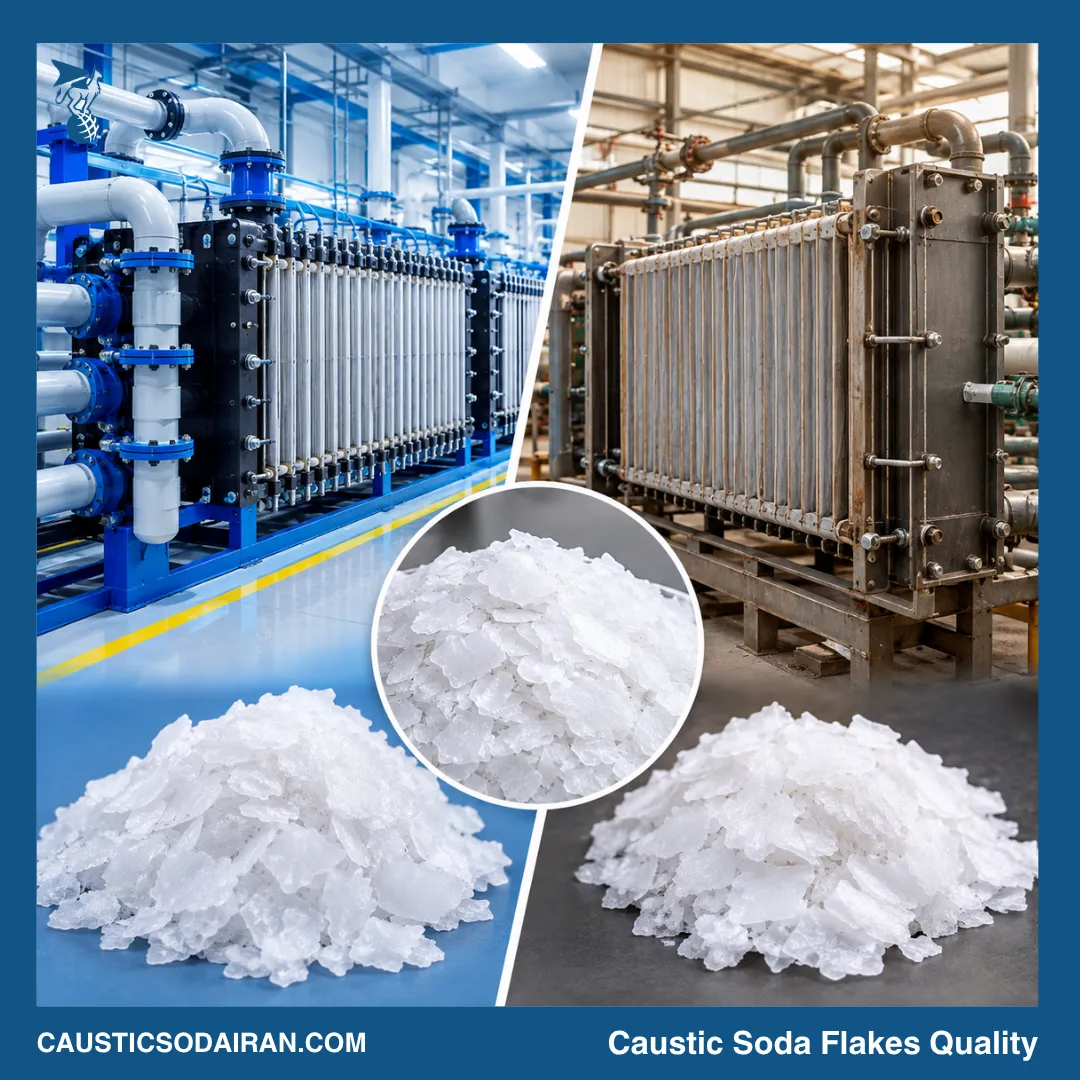
The quality of caustic soda used in alumina production can significantly influence refinery performance. Industrial-grade caustic soda must meet specific purity requirements to avoid operational problems.
High-quality caustic soda flakes or liquid sodium hydroxide help minimize:
- Contamination risks
- Equipment corrosion issues
- Process instability
- Reduced alumina yield
Reliable supply chains are therefore essential for maintaining continuous refinery operations.
Caustic Soda and Red Mud Management
Red mud is a major byproduct of the Bayer Process containing iron oxides, silica, and other impurities. The efficiency of caustic soda usage affects both the amount and characteristics of red mud generated.
Better control of sodium hydroxide consumption can support:
- Improved separation of aluminum compounds
- Reduced chemical waste
- More sustainable refinery operations
As environmental regulations become stricter, alumina producers are focusing on technologies that improve chemical efficiency and waste management.
Challenges in Caustic Soda Supply for Alumina Plants
Alumina refineries require large volumes of caustic soda, making supply reliability a key operational concern. Factors affecting availability and pricing include:
- Global energy costs
- Chlor-alkali production capacity
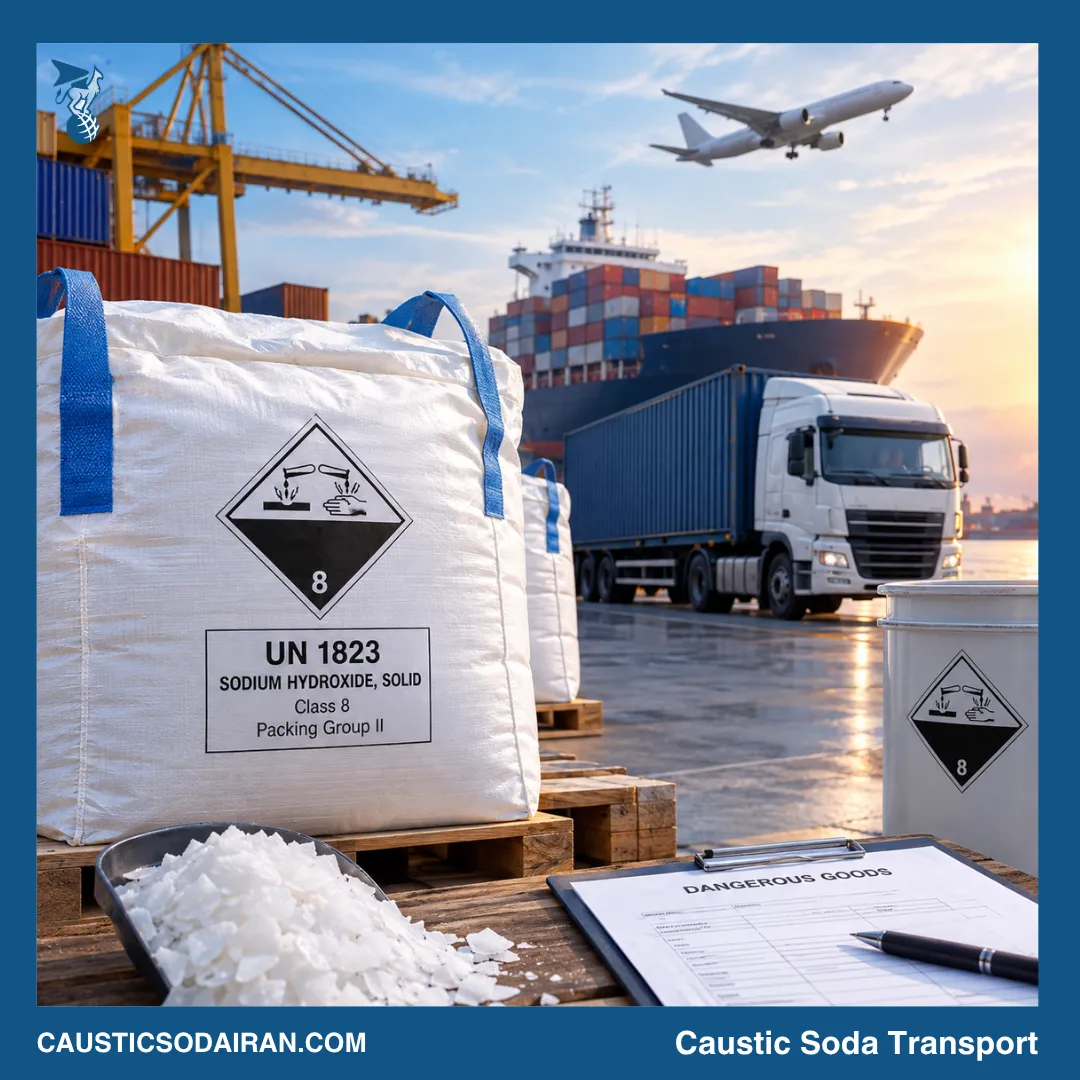
- Transportation expenses
- Regional market fluctuations
Long-term supply agreements with trusted chemical producers can help aluminum companies reduce risks and maintain stable production schedules.
Future Trends: More Efficient Use of Caustic Soda in Alumina Production
The alumina industry is increasingly investing in process optimization and digital monitoring systems to reduce chemical consumption. Advanced refinery technologies aim to improve caustic soda efficiency while lowering environmental impact.
Future developments may include:
- Better control systems for digestion processes
- Improved recovery of sodium compounds
- More sustainable red mud treatment methods
- Reduced dependency on fresh caustic soda inputs
These improvements will strengthen the role of sodium hydroxide as a key chemical in efficient alumina refining.
Conclusion
The Caustic Soda Bayer Process connection remains one of the most important factors in modern bauxite-to-alumina production. Sodium hydroxide enables effective aluminum extraction, improves refinery performance, and supports cost-efficient operations.
For alumina producers, selecting a reliable caustic soda supplier and maintaining optimized chemical usage are essential steps toward achieving higher productivity and long-term supply chain stability.

Leave a Reply