
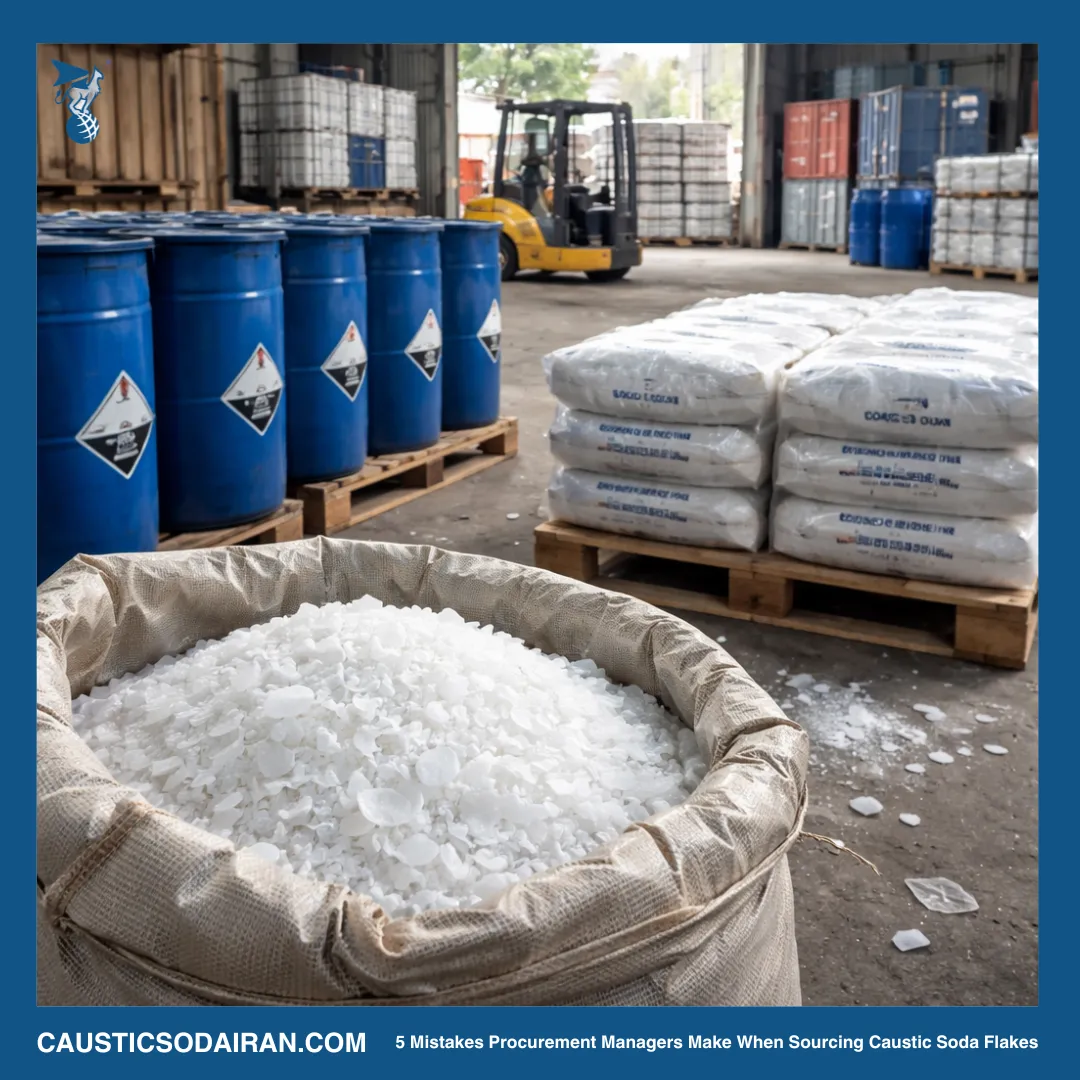
In industries such as water treatment, paper manufacturing, textiles, detergents, and chemical processing, sourcing caustic soda flakes is a critical procurement task. While many buyers focus primarily on obtaining the lowest price, successful procurement requires a broader evaluation of quality, logistics, supplier reliability, and compliance.
Unfortunately, procurement managers often make avoidable mistakes that lead to production delays, quality issues, unexpected costs, and safety risks. Below are the five most common mistakes and how to avoid them.
1. Focusing Only on Price Instead of Total Cost
One of the biggest mistakes when sourcing caustic soda flakes is selecting suppliers solely based on the lowest quotation.
A lower price may hide additional expenses such as:
- Poor packaging quality
- Higher transportation costs
- Delayed deliveries
- Product losses due to moisture absorption
- Increased handling risks
Experienced buyers evaluate the total landed cost rather than the invoice price alone. Reliable delivery, product consistency, and supplier support often generate greater long-term savings than choosing the cheapest offer.
2. Ignoring Product Specifications and Purity Levels
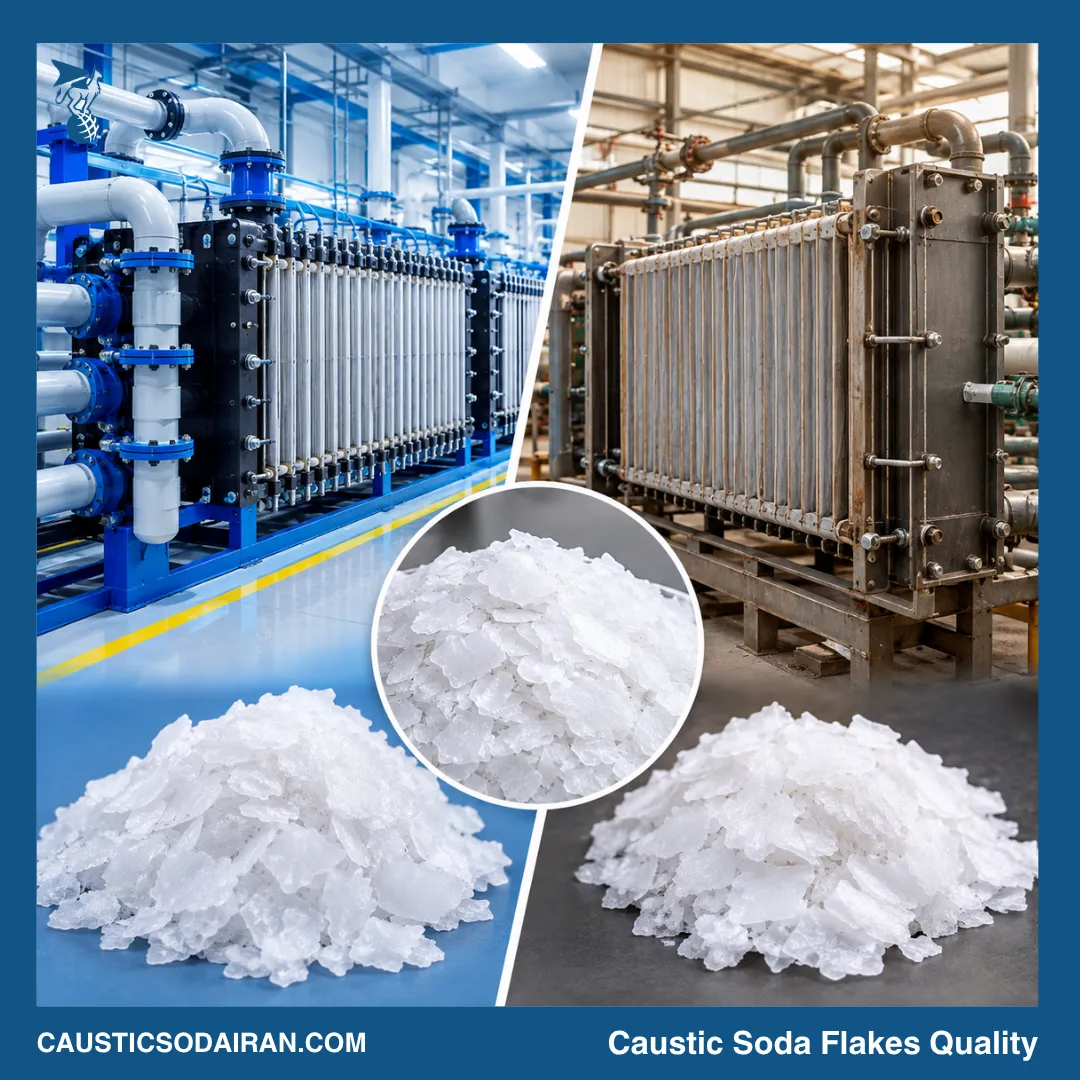
Not all caustic soda flakes are identical. Industrial grades typically contain between 98% and 99% sodium hydroxide, but impurity levels can vary significantly.
Before placing an order, buyers should verify:
- NaOH purity
- Sodium carbonate content
- Sodium chloride content
- Iron and heavy metal levels
- Moisture content
Failure to review these specifications can lead to process inefficiencies, inconsistent production results, and equipment corrosion.
3. Overlooking Supplier Documentation
Many procurement teams assume that product quality is guaranteed without requesting proper documentation.
Every reputable supplier should provide:
- Certificate of Analysis (COA)
- Safety Data Sheet (SDS)
- Technical Data Sheet (TDS)
- Regulatory compliance documents
These documents help buyers verify product quality, maintain compliance, and support safe handling procedures. Suppliers that cannot provide clear documentation should be carefully evaluated before approval.
4. Neglecting Packaging and Storage Requirements
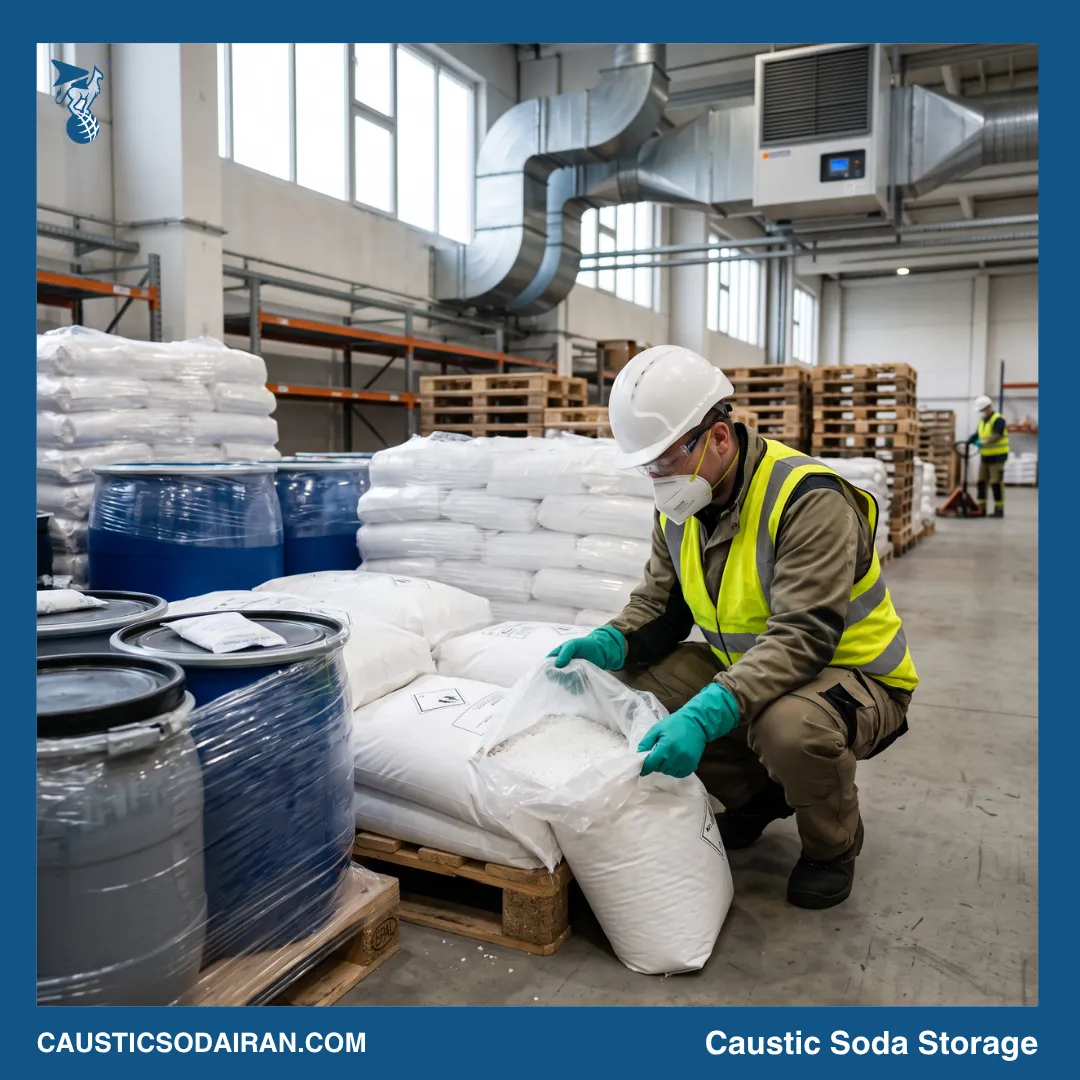
Caustic soda flakes are highly hygroscopic, meaning they readily absorb moisture from the surrounding environment. Improper packaging or storage can cause caking, contamination, and reduced effectiveness.
When sourcing material, procurement managers should confirm:
- Moisture-resistant packaging
- Bag integrity during transit
- Warehouse storage conditions
- Protection from humidity and air exposure
Strong packaging standards are especially important for international shipments and long-term storage.
5. Failing to Assess Supplier Reliability
A supplier may offer attractive pricing today but fail to meet future delivery commitments.
Procurement managers should evaluate:
- Supply capacity
- Export experience
- Inventory availability
- Delivery performance history
- Customer support responsiveness
Reliable suppliers help reduce operational risks and protect production schedules. A temporary supply disruption can cost far more than any initial savings achieved through a lower purchase price.
Best Practices for Sourcing Caustic Soda Flakes
To improve procurement performance, buyers should follow a structured sourcing strategy:
- Define product specifications clearly.
- Verify supplier certifications and documentation.
- Compare total landed costs instead of unit price.
- Review packaging and logistics capabilities.
- Assess supplier reliability and long-term supply security.
- Conduct periodic supplier performance evaluations.
Following these steps helps minimize procurement risks and ensures consistent product quality.
Conclusion
Successful sourcing caustic soda flakes involves much more than comparing prices. Procurement managers who carefully evaluate quality specifications, documentation, packaging standards, logistics capabilities, and supplier reliability are better positioned to secure stable supply and reduce long-term operational costs.
By avoiding these five common mistakes, businesses can improve procurement efficiency, strengthen supply chain resilience, and achieve better overall value from their chemical purchasing strategy.


Leave a Reply