
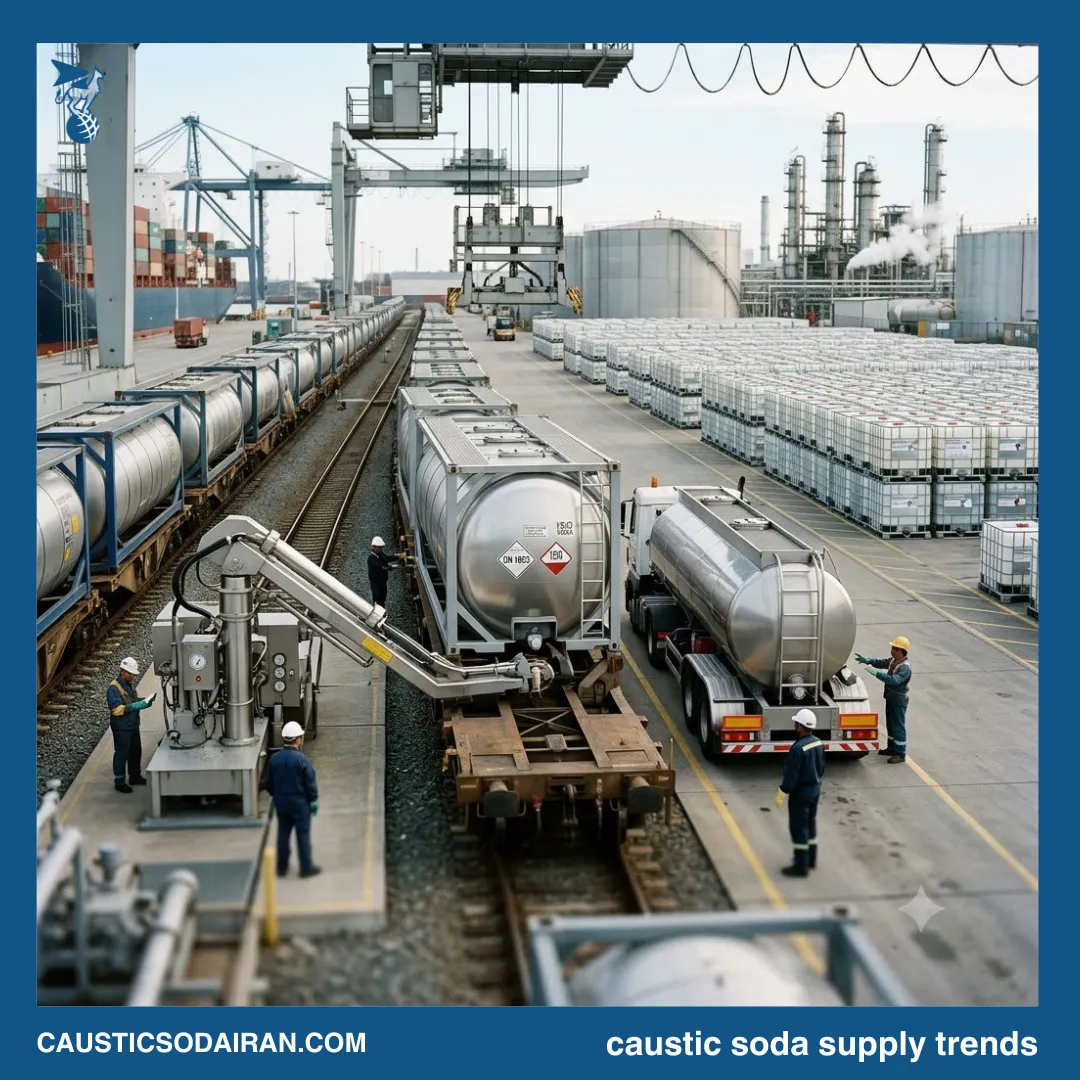
The chemical industry is undergoing one of its biggest transformations in decades. Governments, manufacturers, and industrial buyers are increasingly adopting sustainable production methods to reduce carbon emissions and improve environmental performance. As a result, caustic soda supply trends are evolving rapidly, affecting production capacity, pricing, procurement strategies, and global trade.
For companies that rely on sodium hydroxide, understanding these changes has become essential for maintaining a stable and cost-effective supply chain.
Why Sustainable Chemistry Is Reshaping the Chemical Industry
Sustainable chemistry focuses on reducing environmental impact throughout the manufacturing process. Chemical producers are investing in cleaner technologies that consume less energy, generate fewer emissions, and improve resource efficiency.
Several factors are driving this transition:
- Carbon reduction targets
- Stricter environmental regulations
- Rising energy costs
- Customer demand for sustainable products
- ESG (Environmental, Social, and Governance) commitments
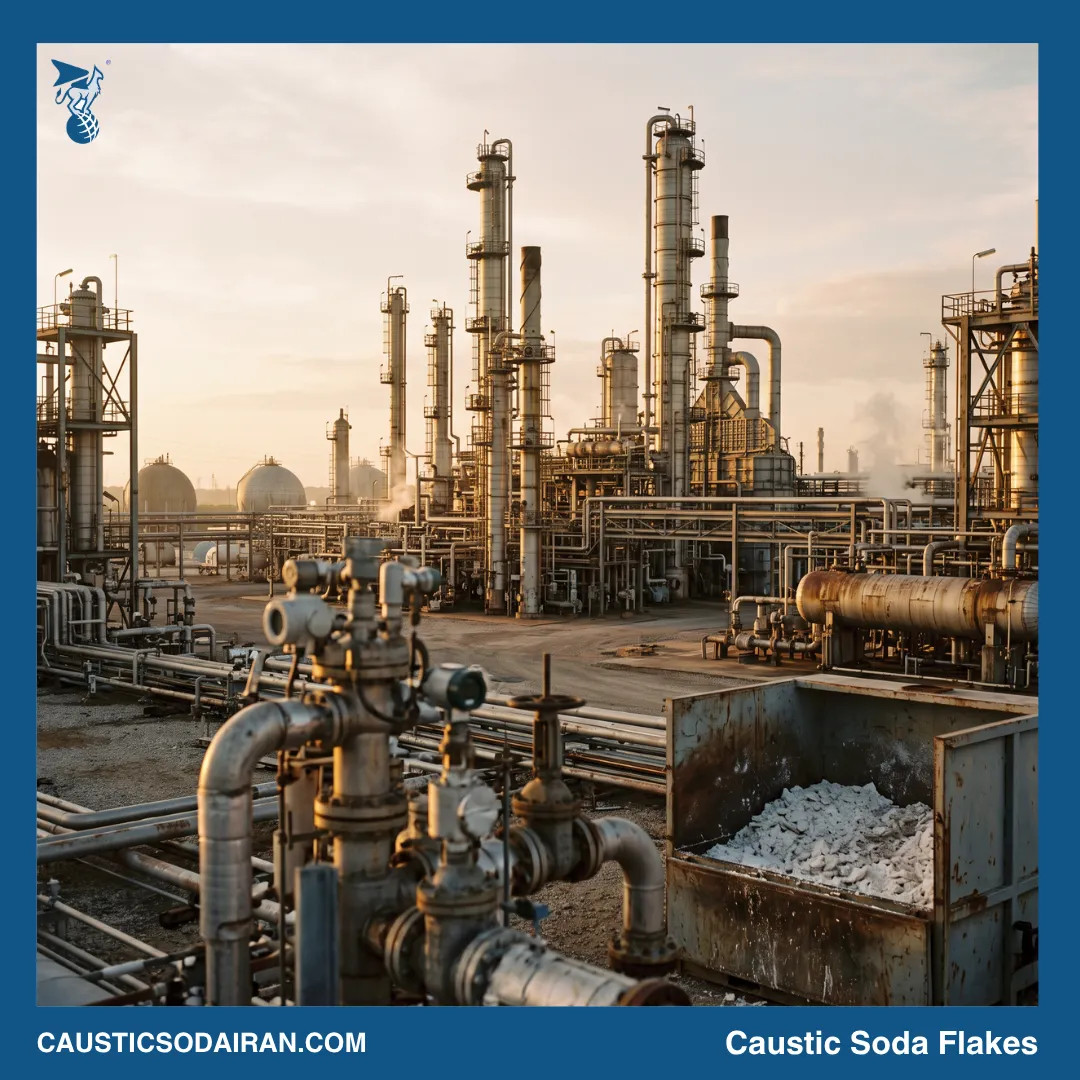
These developments are influencing the way chlor-alkali plants manufacture caustic soda worldwide.
How Green Production Changes Caustic Soda Manufacturing
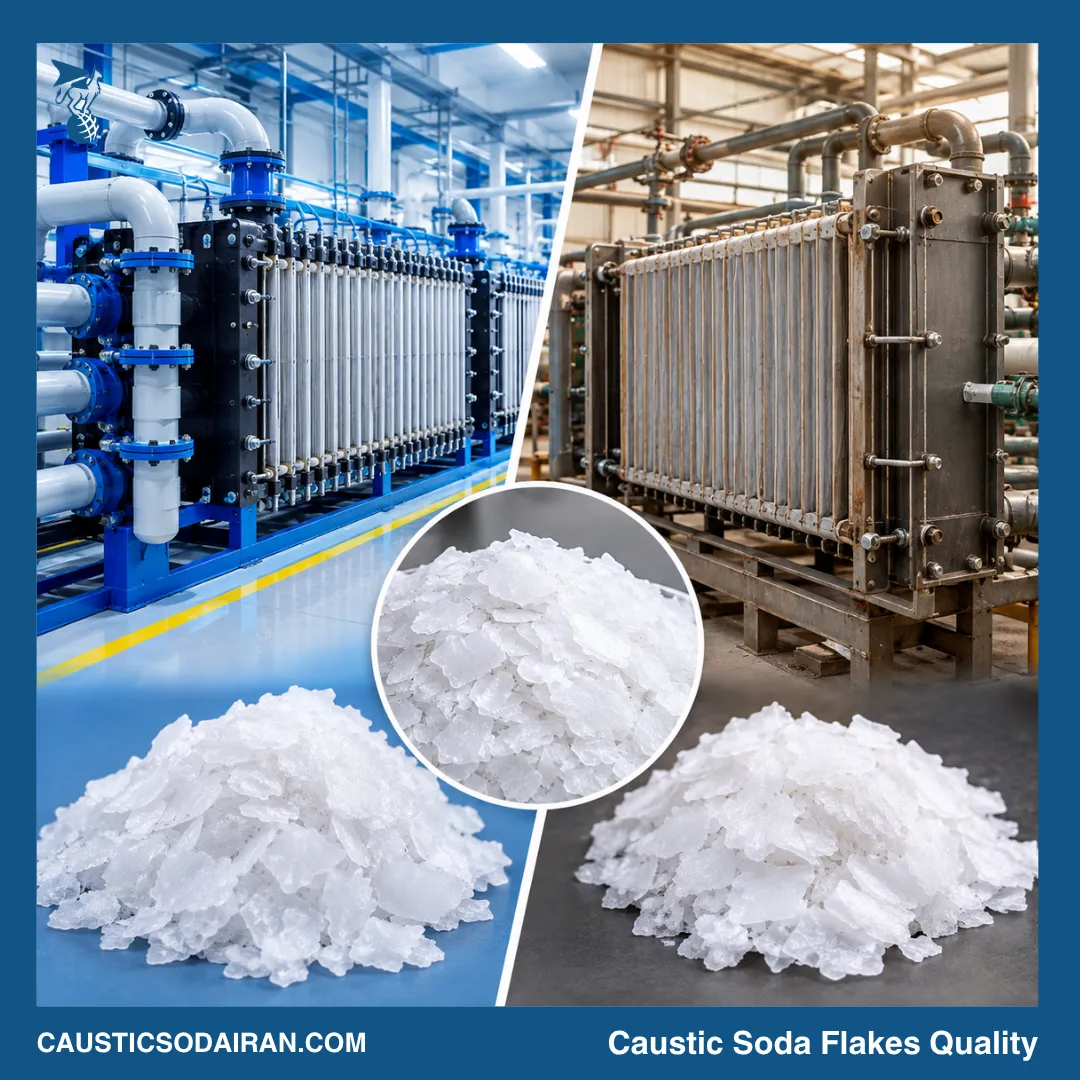
Modern chlor-alkali facilities increasingly rely on membrane cell technology instead of older mercury or diaphragm processes.
Membrane technology offers several advantages:
- Lower electricity consumption
- Reduced environmental impact
- Higher product purity
- Improved operational efficiency
- Better compliance with environmental regulations
Although these upgrades improve sustainability, converting existing facilities requires significant capital investment and temporary production adjustments, influencing caustic soda supply trends across global markets.
Environmental Regulations Are Reducing Available Capacity
Many countries are introducing stricter environmental policies that require chemical plants to modernize or shut down outdated production units.
These regulations may result in:
- Temporary production interruptions
- Reduced global supply
- Higher compliance costs
- Longer maintenance periods
- Delayed expansion projects
As older plants leave the market before new capacity becomes operational, buyers may experience tighter supply conditions.
Energy Prices Continue to Influence Production
Electricity is one of the largest production costs in chlor-alkali manufacturing.
When energy prices increase, manufacturers often experience:
- Higher operating costs
- Lower production margins
- Reduced operating rates
- Increased export prices
Because electricity markets remain volatile in many regions, energy costs continue to play a major role in caustic soda supply trends.
Regional Supply Chains Are Becoming More Important
Many industrial buyers are reducing dependence on distant suppliers by sourcing chemicals closer to their manufacturing facilities.
Regional procurement offers several advantages:
- Shorter delivery times
- Lower transportation costs
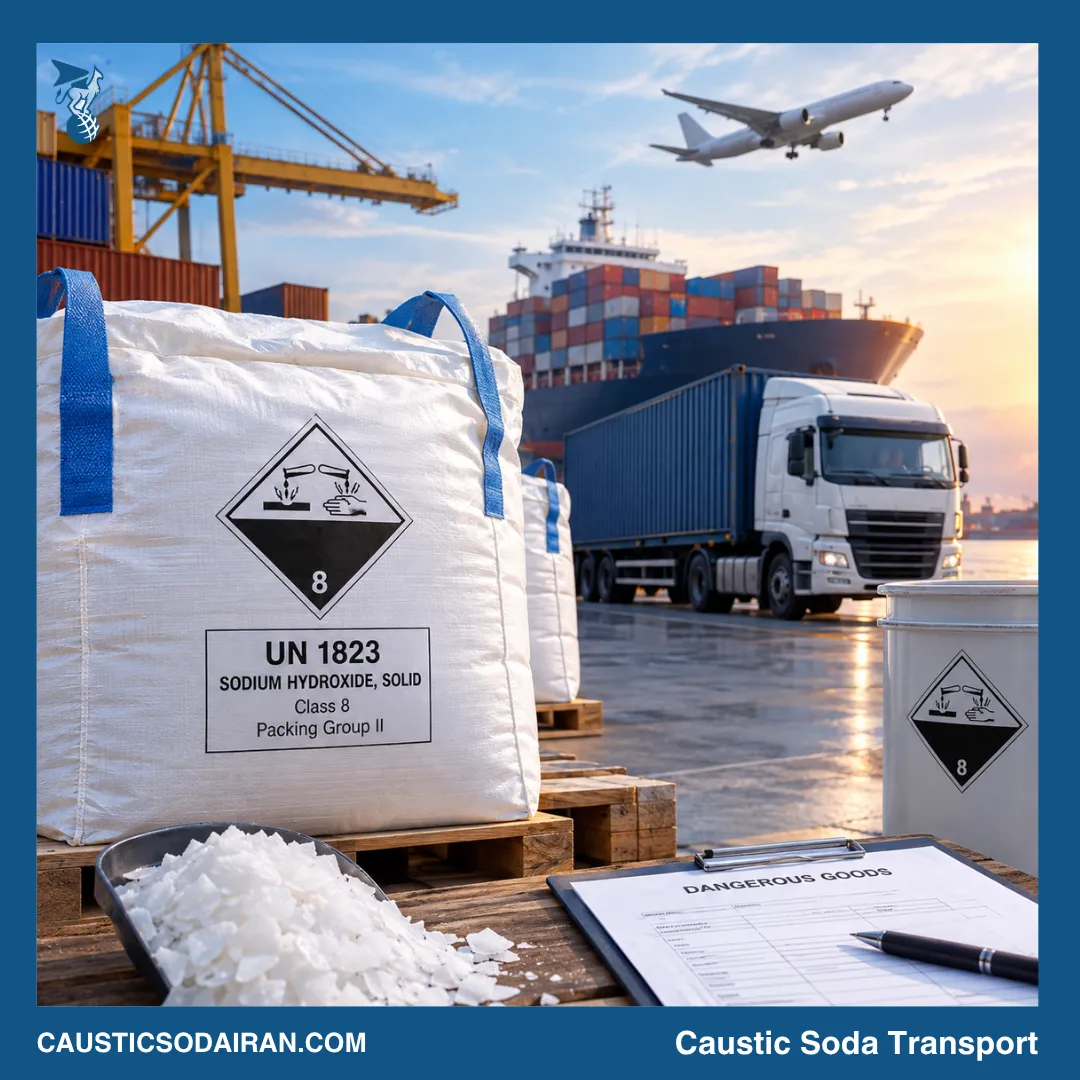
- Reduced shipping risks
- Better inventory management
- Greater supply reliability
This shift is changing international trade flows and encouraging the growth of regional chemical suppliers.
Sustainability Expectations From Industrial Buyers
Today’s procurement teams evaluate more than just price.
Modern purchasing decisions increasingly consider:
- Supplier environmental performance
- Product quality consistency
- Manufacturing certifications
- Supply chain transparency
- Long-term supply reliability
Suppliers that invest in cleaner production methods often gain a competitive advantage in international markets.
How Buyers Should Respond to New Market Conditions
As sustainability becomes a core industry priority, purchasing strategies should also evolve.
Industrial buyers can reduce procurement risks by:
- Diversifying supplier networks
- Monitoring environmental regulations
- Planning purchases earlier
- Maintaining safety stock
- Partnering with experienced exporters
These practices help minimize disruptions caused by changing production capacity and regulatory developments.
Future Outlook for Caustic Soda Supply
Industry experts expect sustainable manufacturing to become the global standard over the coming years. More chemical plants will invest in energy-efficient technologies, while environmental regulations will continue tightening worldwide.
Although these changes may create short-term supply challenges, they are expected to improve production efficiency, product quality, and long-term market stability. Companies that closely monitor caustic soda supply trends will be better positioned to secure reliable supply and maintain competitive operating costs.
Conclusion
The transition toward sustainable chemistry is transforming the global chlor-alkali industry. Environmental regulations, energy costs, technological upgrades, and changing procurement priorities are all reshaping caustic soda supply trends. Businesses that understand these market dynamics and build resilient sourcing strategies will be better prepared for future supply challenges while benefiting from a more sustainable and reliable chemical supply chain.

Leave a Reply