
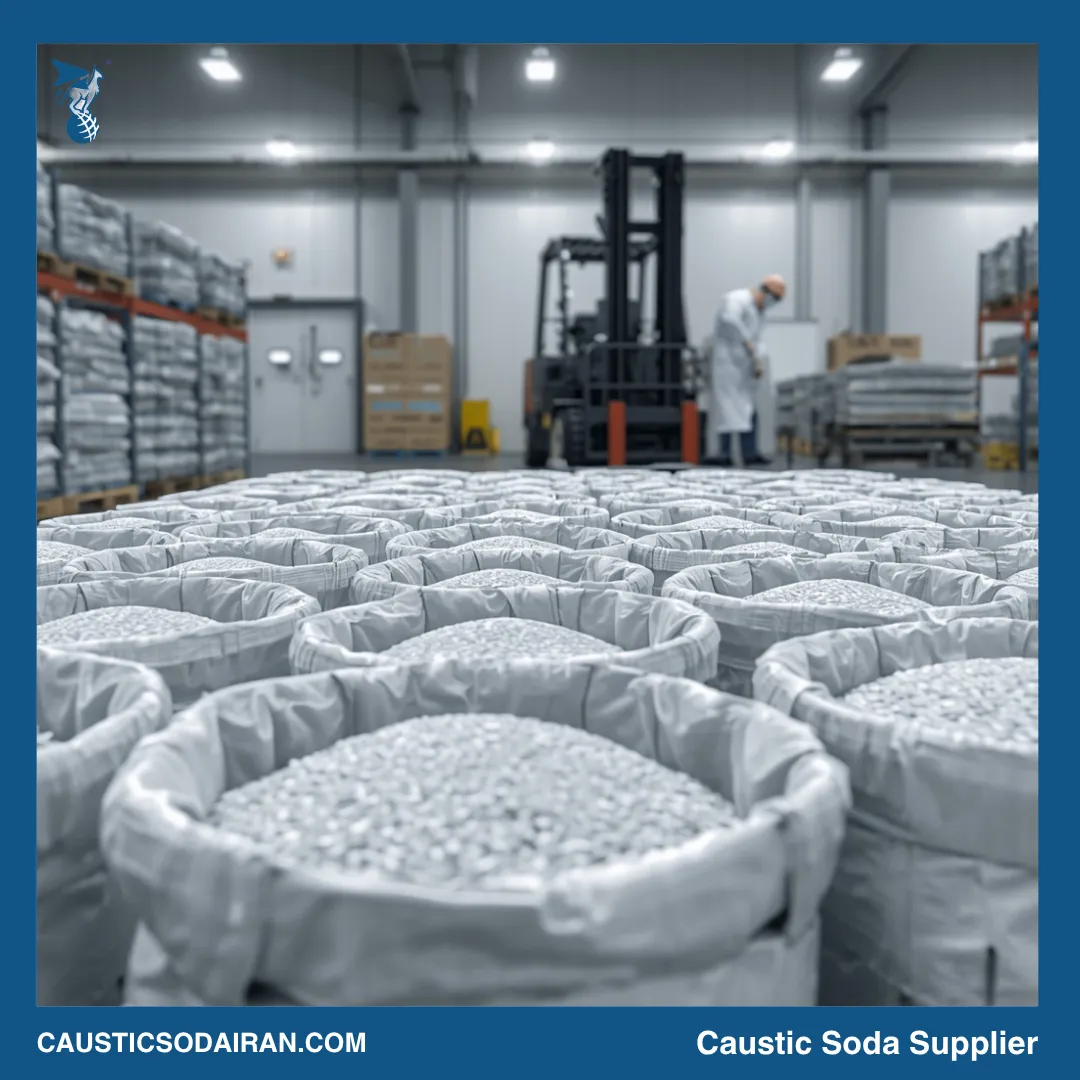
Choosing a reliable caustic soda supplier is essential for industrial businesses that need consistent product quality, dependable deliveries, and competitive prices. Caustic soda, also known as sodium hydroxide (NaOH), is widely used in chemical manufacturing, water treatment, textiles, pulp and paper, detergents, and alumina processing.
However, suppliers differ in their quality management systems, manufacturing capabilities, and international shipping experience. Therefore, buyers should evaluate several important factors before signing a supply contract. Careful supplier selection can reduce procurement risks, prevent production delays, and support long-term business growth.
1. Check the Supplier’s Quality Management System
Product quality is one of the most important factors when selecting a caustic soda supplier. Variations in purity and impurity levels can affect industrial performance, production efficiency, and the quality of finished products.
A professional supplier should maintain documented procedures for product testing, quality control, packaging, and storage.
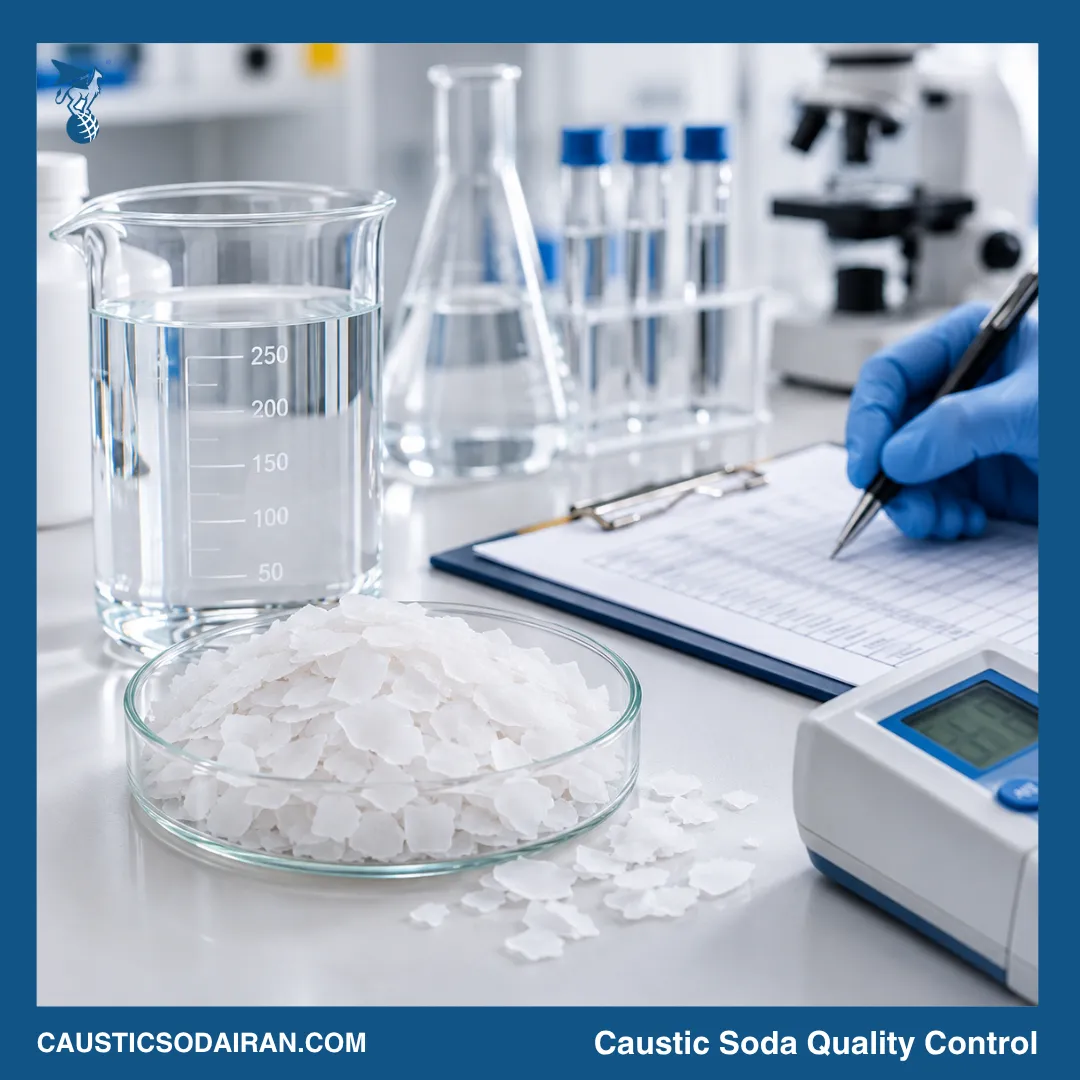
For a deeper understanding of product testing, impurity limits, and batch consistency, read our guide to Caustic Soda Quality Control.
Before placing an order, buyers should review the following quality indicators:
- Purity and concentration: Confirm that the product meets the specifications required for the intended application.
- Impurity levels: Check limits for sodium carbonate, sodium chloride, iron, and other relevant impurities.
- Batch consistency: Verify that the supplier can maintain consistent specifications across different shipments.
- Certificate of Analysis (COA): Request batch-specific test results to confirm that the product meets agreed requirements.
- Safety Data Sheet (SDS): Obtain current safety information covering handling, storage, and transportation.
Furthermore, buyers should verify any quality certifications claimed by the supplier. ISO 9001 certification, for example, indicates that an organization has implemented a quality management system within the certified scope. Nevertheless, buyers should confirm the certificate’s validity and scope rather than relying solely on marketing claims
For more information about internationally recognized quality management requirements, visit the official ISO 9001 quality management systems page..
2. Evaluate Production Capacity and Supply Reliability
A supplier may offer attractive prices but lack the capacity to fulfill large orders or maintain regular deliveries. For this reason, production capacity should be assessed before entering into a long-term agreement.
Industrial buyers need to determine whether a supplier can meet current demand while accommodating future increases in purchasing volume.
Consider asking these questions:
- What is the actual monthly and annual production capacity?
- How much product can be allocated to your order?
- Does the supplier maintain sufficient inventory for regular shipments?
- What are the normal production and delivery lead times?
- How does the company manage maintenance periods or unexpected production interruptions?
Importantly, total production capacity does not necessarily represent available export volume. Manufacturers may already have commitments to other customers or domestic markets.
Therefore, buyers should request realistic supply schedules and written volume commitments. For recurring purchases, a reliable caustic soda supplier should be able to explain how it plans to maintain supply throughout the contract period.
3. Assess Export Experience and Logistics Capabilities
Export experience is particularly important for businesses purchasing caustic soda internationally. Chemical shipments require accurate documentation, appropriate packaging, and coordination between suppliers, freight companies, customs authorities, and importers.
An experienced exporter should understand the documentation and transportation requirements relevant to the destination market.
Essential export capabilities include:
- Preparing commercial invoices and packing lists.
- Providing certificates of origin when required.
- Supplying product specifications, COAs, and SDS documents.
- Coordinating export customs procedures.
- Arranging suitable packaging and transportation.
- Managing shipment schedules and delivery terms.
In addition, buyers should confirm that the supplier has experience handling the specific form of caustic soda they intend to purchase.
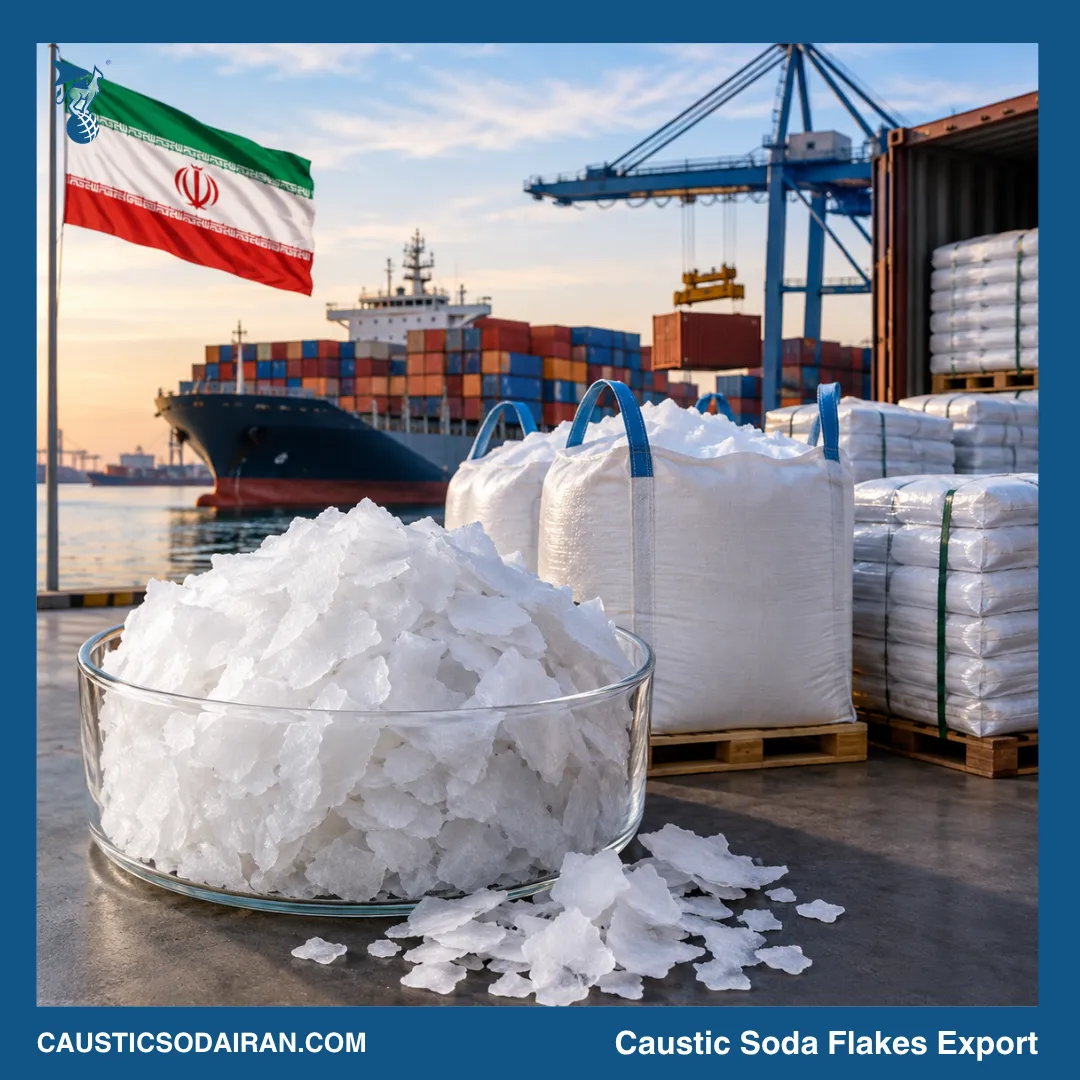
Caustic soda flakes and liquid caustic soda require different packaging and transportation arrangements. Solid products are commonly supplied in suitable industrial bags, while liquid products require compatible tanks or other appropriate transport systems.
Because sodium hydroxide is corrosive and can react with certain materials, packaging and handling arrangements must meet applicable safety requirements. Buyers should also clarify responsibilities for freight, insurance, customs clearance, and delivery under the agreed Incoterms.
4. Verify the Supplier’s Business Credentials
A professional website or competitive quotation does not automatically prove that a company is a reliable supplier. Buyers should independently verify the business identity and operational capabilities of potential partners.
First, establish whether the company is a manufacturer, distributor, or export intermediary. Each model can be suitable, but the buyer should understand who produces the material, who conducts quality testing, and who is contractually responsible for delivery.
Useful verification steps include:
- Checking company registration and business details.
- Requesting information about the manufacturing facility.
- Reviewing relevant customer references.
- Confirming the origin of the supplied product.
- Examining evidence of previous export transactions where available.
Where practical, buyers can also arrange a supplier audit or request a trial shipment before committing to a large order.
These steps help establish whether the supplier’s commercial claims match its actual capabilities.
5. Compare Prices and Total Procurement Costs
Price is an important consideration, but selecting the lowest quotation does not always produce the best commercial outcome. Poor product quality, delayed shipments, or unsuitable packaging can create additional costs that exceed the initial savings.
A more effective approach is to compare the total delivered cost.
Relevant cost components include:
- Product price and applicable surcharges.
- Packaging and loading expenses.
- Inland transportation and international freight.
- Insurance and customs-related charges.
- Inspection, testing, and storage costs.
- Potential expenses caused by delivery delays or non-conforming products.
Buyers should compare quotations using equivalent product specifications, order quantities, packaging options, and delivery terms. Otherwise, apparent price differences may not represent genuine savings.
For long-term contracts, transparent pricing mechanisms and clearly defined payment terms can also improve budget planning and reduce commercial disputes.
6. Review Communication and Technical Support
Effective communication is another important characteristic of a reliable caustic soda supplier. Buyers need accurate information about specifications, order status, delivery schedules, and documentation throughout the procurement process.
During initial discussions, evaluate how promptly and clearly the supplier answers technical and commercial questions.
A dependable supplier should explain product specifications, identify potential limitations, and provide realistic delivery estimates. It should also communicate promptly if production issues or shipping delays arise.
Technical support becomes particularly valuable when buyers have specific purity requirements or operate processes that are sensitive to chemical impurities. The supplier should be able to provide relevant documentation and explain whether the available product meets the intended application requirements.
7. Use a Supplier Evaluation Checklist
A structured evaluation process helps procurement teams compare suppliers objectively instead of relying exclusively on price or sales presentations.
The following checklist can support the decision-making process:
| Evaluation factor | What buyers should verify |
|---|---|
| Product quality | Purity, concentration, and impurity limits |
| Quality management | Documented procedures and valid certifications |
| Production capacity | Available volume and realistic lead times |
| Export experience | Relevant shipment history and market knowledge |
| Documentation | COA, SDS, and required commercial documents |
| Logistics | Packaging, transportation, and delivery arrangements |
| Commercial terms | Pricing transparency and contract conditions |
| Business reputation | Verifiable credentials and customer references |
For large purchases, buyers should consider testing a representative sample or arranging an initial trial order. These measures provide practical evidence of product quality and supply performance before a larger commitment is made.
Conclusion
Choosing a reliable caustic soda supplier requires more than comparing quotations. Buyers should assess quality management systems, production capacity, export experience, logistics capabilities, and commercial transparency.
By verifying product specifications, confirming available supply volumes, reviewing export documentation, and comparing total delivered costs, businesses can make better-informed procurement decisions.
Ultimately, the right supplier is one that consistently meets technical requirements, fulfills agreed delivery schedules, and provides dependable support throughout the business relationship.
Looking for a dependable caustic soda supplier? Work with an experienced producer and exporter that prioritizes consistent product quality, reliable supply, and professional export services. Contact our team to discuss your requirements, packaging options, and bulk order inquiries.
Leave a Reply