
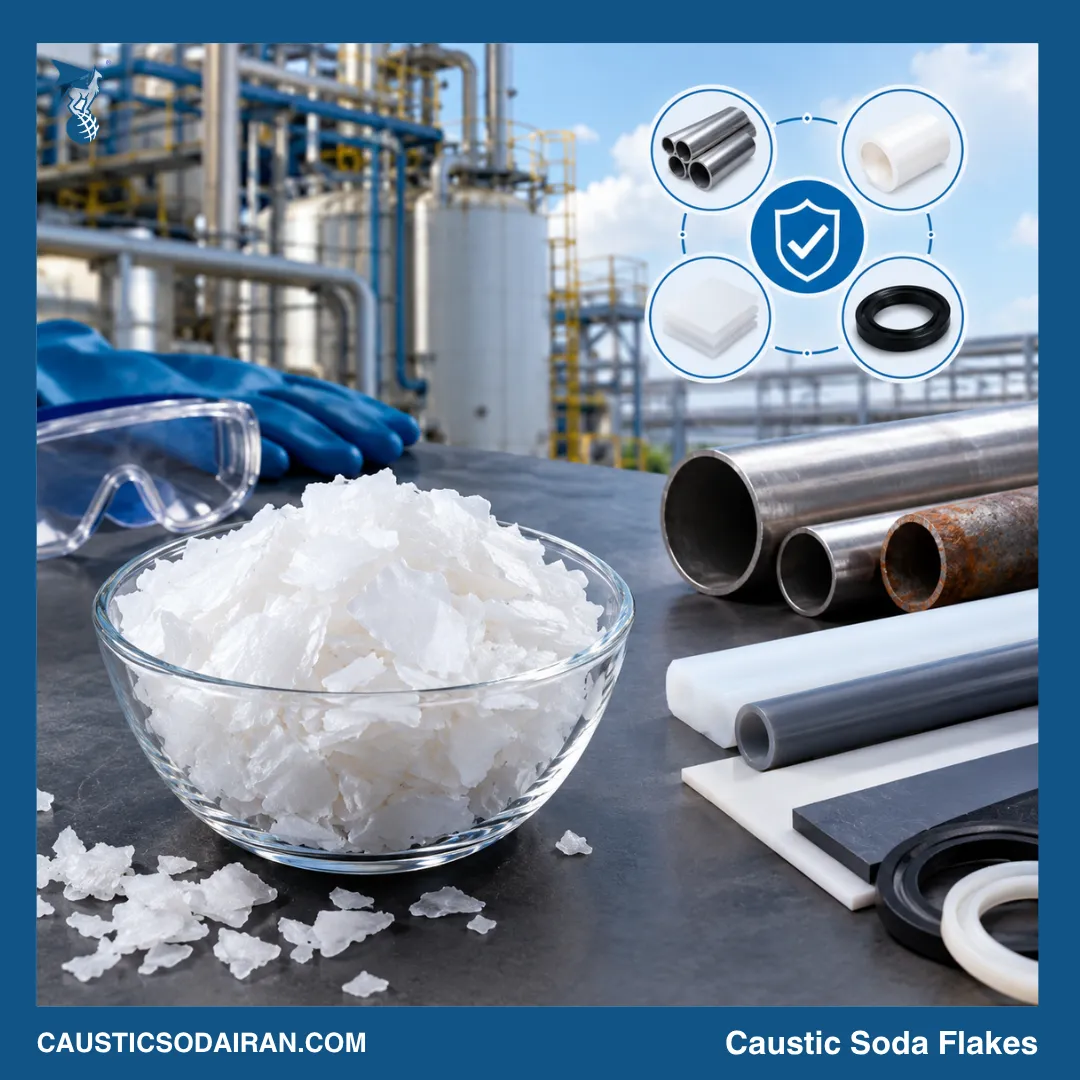
Caustic Soda Flakes are widely used in chemical processing, water treatment, textiles, and manufacturing. However, their highly alkaline properties can affect equipment materials, seals, and storage systems if engineers select unsuitable components. Understanding caustic soda flakes material compatibility helps industrial operators reduce corrosion risks, prevent equipment failure, and control maintenance costs.
Choosing compatible materials is essential for safe handling, storage, and industrial use. The right selection depends on chemical concentration, operating temperature, exposure time, and equipment design.
Why Material Compatibility Matters for Caustic Soda Flakes
Caustic soda flakes, also known as sodium hydroxide (NaOH), are a strong alkaline chemical. When dissolved in water, they produce a corrosive solution that can damage certain metals, polymers, and sealing materials.
Material incompatibility can lead to several operational problems:
- Corrosion and premature equipment deterioration
- Leakage from pumps, valves, and pipe connections
- Seal degradation and loss of pressure
- Unexpected maintenance expenses
- Production interruptions and chemical exposure risks
For these reasons, manufacturers and industrial buyers should evaluate material compatibility before installing or replacing equipment used with sodium hydroxide.
1. Metal Compatibility and Corrosion Risks
Metal selection is one of the most important aspects of caustic soda flakes material compatibility. Different metals respond differently to sodium hydroxide depending on concentration and temperature.
For more information on chemical purity and impurity limits, read our guide to Caustic Soda Flakes Quality Standards.
Carbon Steel
Carbon steel is commonly used in certain industrial caustic soda storage and handling applications. Under suitable conditions, it can provide practical mechanical strength and acceptable corrosion resistance.
However, its performance depends on operating conditions, solution concentration, temperature, and the presence of impurities. Engineers should verify corrosion data before approving carbon steel tanks, pipes, or fittings.
Stainless Steel
Some stainless steel grades are suitable for specific sodium hydroxide applications. Nevertheless, stainless steel should not be considered universally resistant to caustic solutions.
Temperature, concentration, stress conditions, and fabrication quality can influence its performance. A qualified materials engineer should confirm the appropriate grade for the intended service.
For further technical guidance, consult this resource on stainless steel corrosion resistance in sodium hydroxide applications.
Aluminum and Zinc
Aluminum and zinc require particular caution because sodium hydroxide can attack these metals and release hydrogen gas. Hydrogen is highly flammable and can create an additional hazard in enclosed or poorly ventilated areas.
Equipment designers should avoid using these metals in caustic soda service unless a specifically engineered and validated arrangement establishes their suitability.
2. Selecting Compatible Plastics and Sealing Materials
Plastic components and elastomeric seals are important in pumps, valves, gaskets, and chemical transfer systems. Their resistance varies according to polymer type, temperature, concentration, and exposure duration.
Polyethylene and Polypropylene
Polyethylene (PE) and polypropylene (PP) may be suitable for many caustic soda applications. These materials are used in certain chemical storage tanks, containers, and piping systems.
However, the exact polymer grade, mechanical loading, temperature limits, and manufacturer specifications must be checked before use.
PTFE and Other Fluoropolymers
Polytetrafluoroethylene (PTFE) is widely recognized for its chemical resistance and can be a suitable option for many sodium hydroxide applications.
Other fluoropolymers may perform differently under specific conditions. Therefore, engineers should consult chemical resistance data for the exact material rather than assuming that all fluoropolymers behave identically.
Gaskets and Elastomeric Seals
A compatible pipe or valve body does not guarantee that its seals will remain reliable. Elastomers can swell, harden, soften, or lose their sealing performance when exposed to unsuitable chemicals or temperatures.
EPDM, for example, may be suitable for many sodium hydroxide services, but the exact formulation and operating conditions still require verification. Every gasket and seal should be evaluated separately.
3. How Temperature and Concentration Affect Compatibility
Temperature and concentration can significantly influence material performance in caustic soda systems.
Higher operating temperatures may accelerate corrosion, increase material degradation, and reduce the service life of some seals and plastics. Concentrated sodium hydroxide can also behave differently from dilute solutions, so compatibility ratings should match the actual process conditions.
Dissolving caustic soda flakes in water releases substantial heat. Adding water to concentrated caustic material incorrectly can create dangerous splashing and localized overheating.
Industrial operators should follow approved dilution procedures, use suitable protective equipment, and control the mixing process. They should also confirm that tanks, agitators, piping, and seals can withstand the resulting temperature and chemical concentration.
4. Best Practices for Preventing Equipment Failure
A structured material selection and maintenance program can help reduce the risk of unexpected equipment damage.
Review Chemical Compatibility Data
Consult manufacturer documentation and chemical resistance charts for the exact material, concentration, and operating temperature. General compatibility tables are useful for preliminary screening but should not replace engineering approval.
Inspect Equipment Regularly
Inspect tanks, pipes, valves, pumps, flanges, and seals for leakage, visible damage, unusual discoloration, or other signs of deterioration. Establish inspection intervals according to operating conditions and equipment risk.
Verify Storage and Handling Requirements
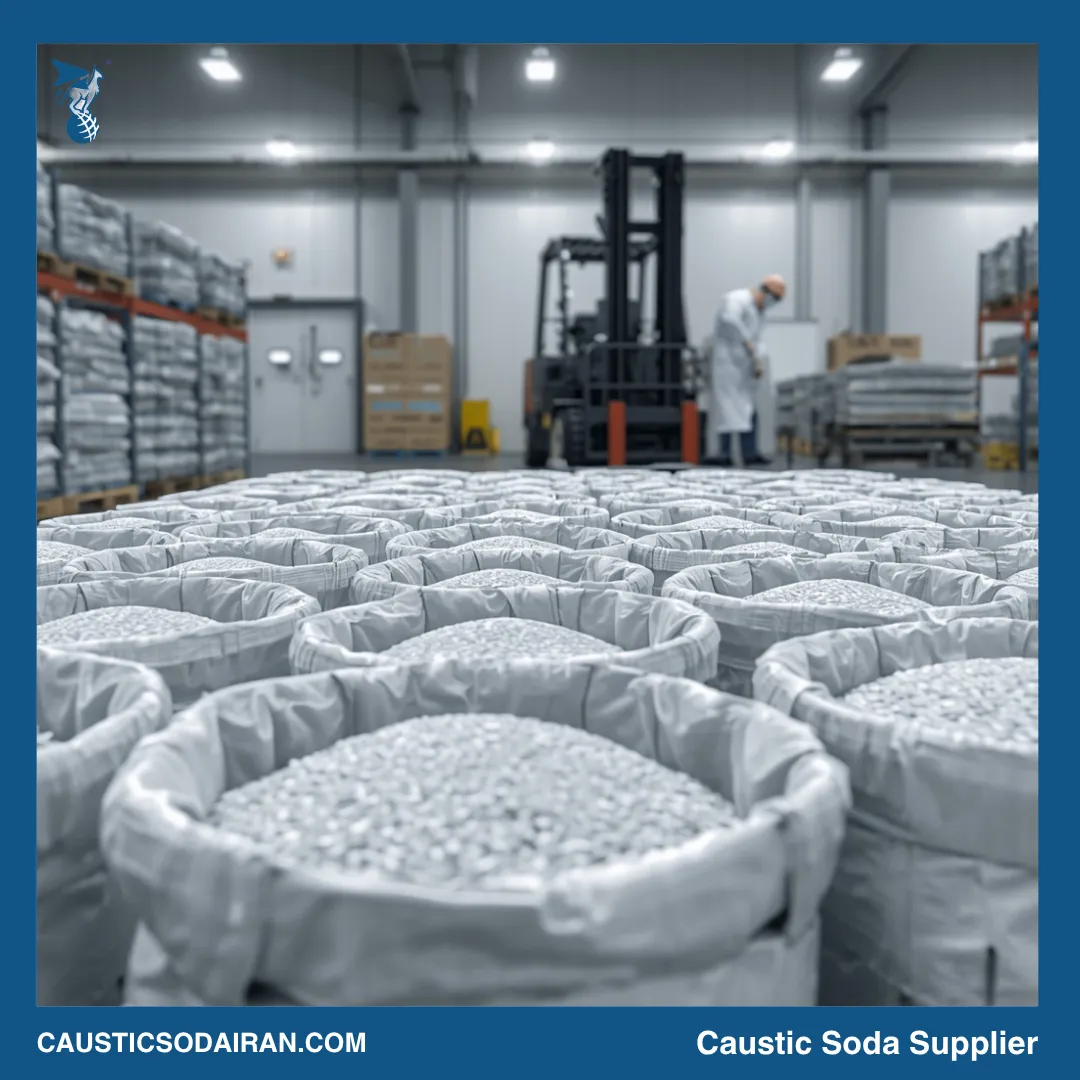
Keep caustic soda flakes in suitable, tightly closed packaging and protect them from moisture. Sodium hydroxide absorbs moisture from the air and can also absorb carbon dioxide, which may affect product condition and handling.
Use compatible transfer equipment and prevent accidental contact with incompatible metals.
Train Personnel
Employees should understand the hazards of sodium hydroxide, the correct handling procedures, and the required emergency response measures. Appropriate eye protection, chemical-resistant gloves, protective clothing, and access to emergency eyewash and safety showers are important safeguards.
Maintain Accurate Records
Document chemical concentrations, operating temperatures, material specifications, inspection findings, and equipment repairs. These records help maintenance teams identify recurring failures and make better replacement decisions.
5. A Practical Material Selection Checklist
Before purchasing or installing equipment for caustic soda service, industrial buyers and engineering teams should confirm the following points:
- Chemical concentration and expected temperature range
- Compatibility of tank, pipe, valve, and pump materials
- Resistance of gaskets, seals, and flexible connections
- Mechanical strength and pressure requirements
- Manufacturer recommendations and documented test data
- Inspection, maintenance, and replacement requirements
This checklist helps businesses assess compatibility systematically instead of relying on material names alone.
Conclusion
Caustic soda flakes material compatibility is essential for reliable chemical storage, transfer, and processing. Selecting suitable metals, plastics, and sealing materials can reduce corrosion risks, prevent leaks, and extend equipment service life.
However, no material should be approved solely because it performs well in another chemical application. Industrial operators should evaluate the exact sodium hydroxide concentration, temperature, exposure conditions, and equipment requirements before making a final decision.
By combining verified compatibility data, preventive maintenance, and proper handling procedures, businesses can improve operational reliability and reduce avoidable equipment costs.
Request a Quote for Caustic Soda Flakes
Looking for a reliable supplier of caustic soda flakes for your industrial operations? Contact our team to request current pricing, product specifications, and technical information. We can help you identify the right product for your business requirements.
Leave a Reply