
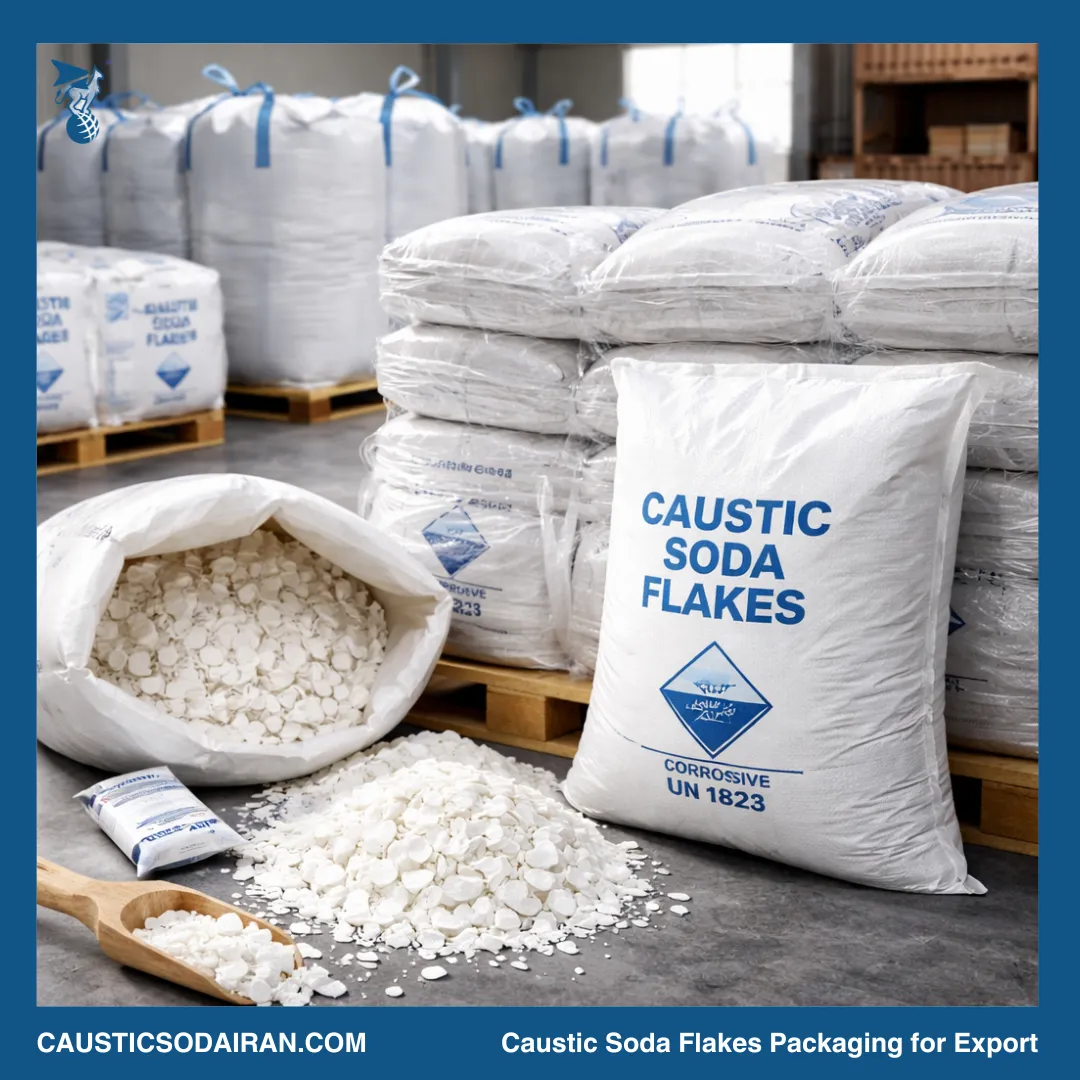
Caustic soda flakes are among the most widely traded industrial chemicals in the world. They serve various industries, including water treatment, pulp and paper production, textiles, detergents, and chemical manufacturing. Because caustic soda is highly corrosive and sensitive to moisture, proper caustic soda flakes export packaging plays a critical role in maintaining product quality and ensuring safe transportation.
Exporters who invest in high-quality packaging reduce the risk of product damage, contamination, regulatory issues, and financial losses during international shipments.
Why Caustic Soda Flakes Export Packaging Matters
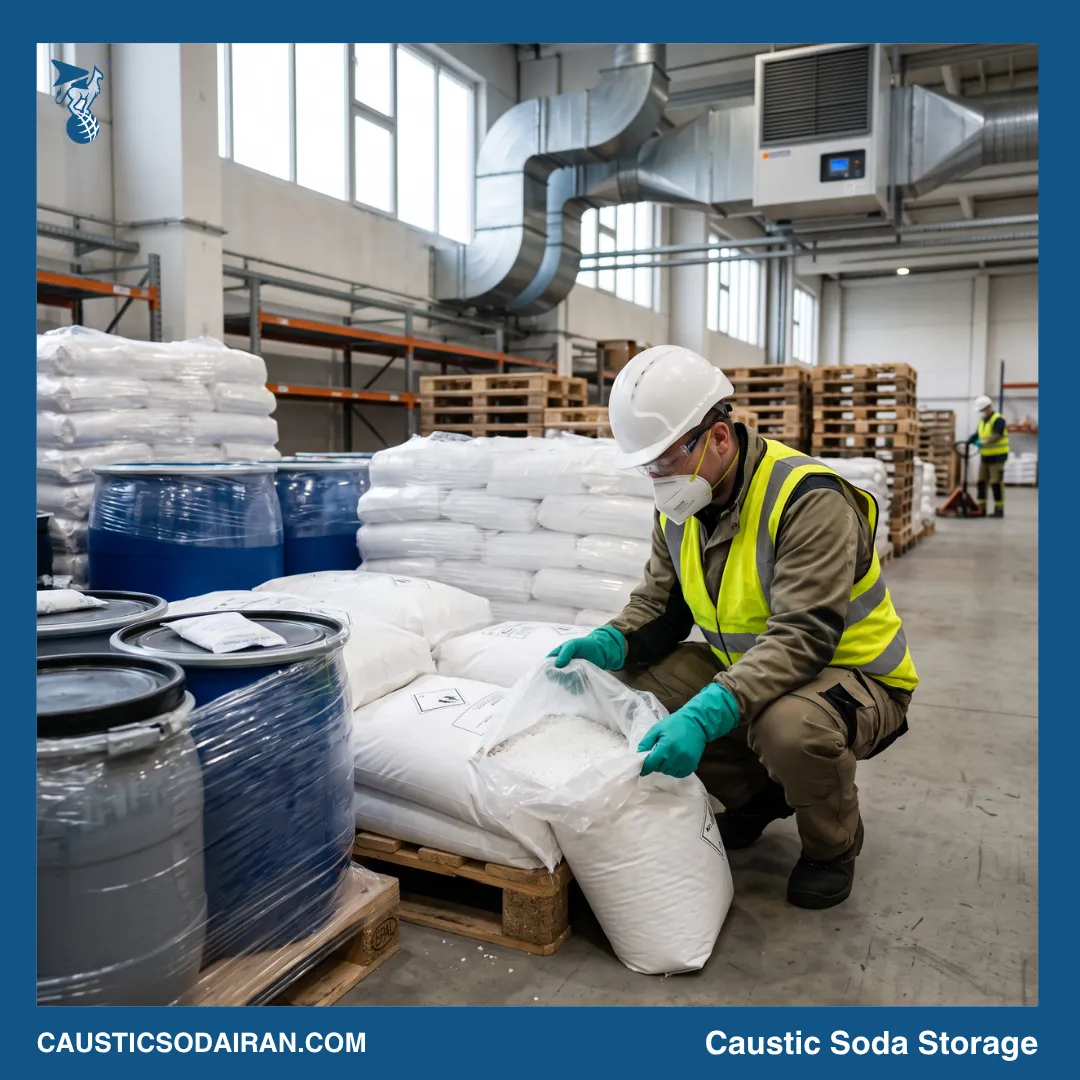
Caustic soda flakes readily absorb moisture from the atmosphere. Exposure to humidity can lead to product clumping, reduced purity, and handling difficulties. Effective caustic soda flakes export packaging protects the product throughout storage, loading, transit, and delivery.
Proper packaging also helps exporters:
- Preserve product purity
- Prevent moisture penetration
- Improve workplace safety
- Meet international shipping requirements
- Reduce cargo damage claims
- Enhance customer satisfaction
Common Packaging Materials for Caustic Soda Flakes
Manufacturers and exporters typically use specialized materials designed to resist moisture and chemical exposure.
1. Polypropylene (PP) Bags
Woven polypropylene bags are widely used for exporting caustic soda flakes. These bags offer excellent durability and cost efficiency.
Benefits include:
- High tensile strength
- Resistance to tearing
- Lightweight construction
- Easy palletization
2. Polyethylene (PE) Inner Liners
Many exporters add PE liners inside PP bags to provide an additional moisture barrier. This combination significantly improves product protection during long-distance transportation.
3. Jumbo Bags (FIBCs)
For bulk shipments, Flexible Intermediate Bulk Containers (FIBCs) provide a practical packaging solution.
Advantages include:
- Reduced handling costs
- Efficient loading and unloading
- Suitable for large industrial buyers
- Lower packaging waste
Standard Export Packaging Sizes
The most common packaging options include:
| Packaging Type | Typical Weight |
|---|---|
| PP Bag with PE Liner | 25 kg |
| PP Bag with PE Liner | 50 kg |
| Jumbo Bag (FIBC) | 500–1,500 kg |
The selected packaging size often depends on customer requirements, shipping methods, and destination regulations.
Moisture Protection Requirements
One of the most important aspects of caustic soda flakes export packaging is moisture control.
Exporters should:
- Use sealed inner liners
- Store products in dry warehouses
- Protect containers from rain exposure
- Inspect packaging before loading
- Use desiccants when necessary
These measures help maintain product quality throughout international transit.
Palletization and Container Loading
Proper palletization enhances cargo stability and reduces transportation risks.
Recommended practices include:
- Using heat-treated wooden pallets or plastic pallets
- Applying stretch wrap around stacked bags
- Securing pallets with straps
- Maintaining even weight distribution
During container loading, exporters should ensure adequate ventilation and avoid contact with moisture sources.
Labeling Requirements for Export Shipments
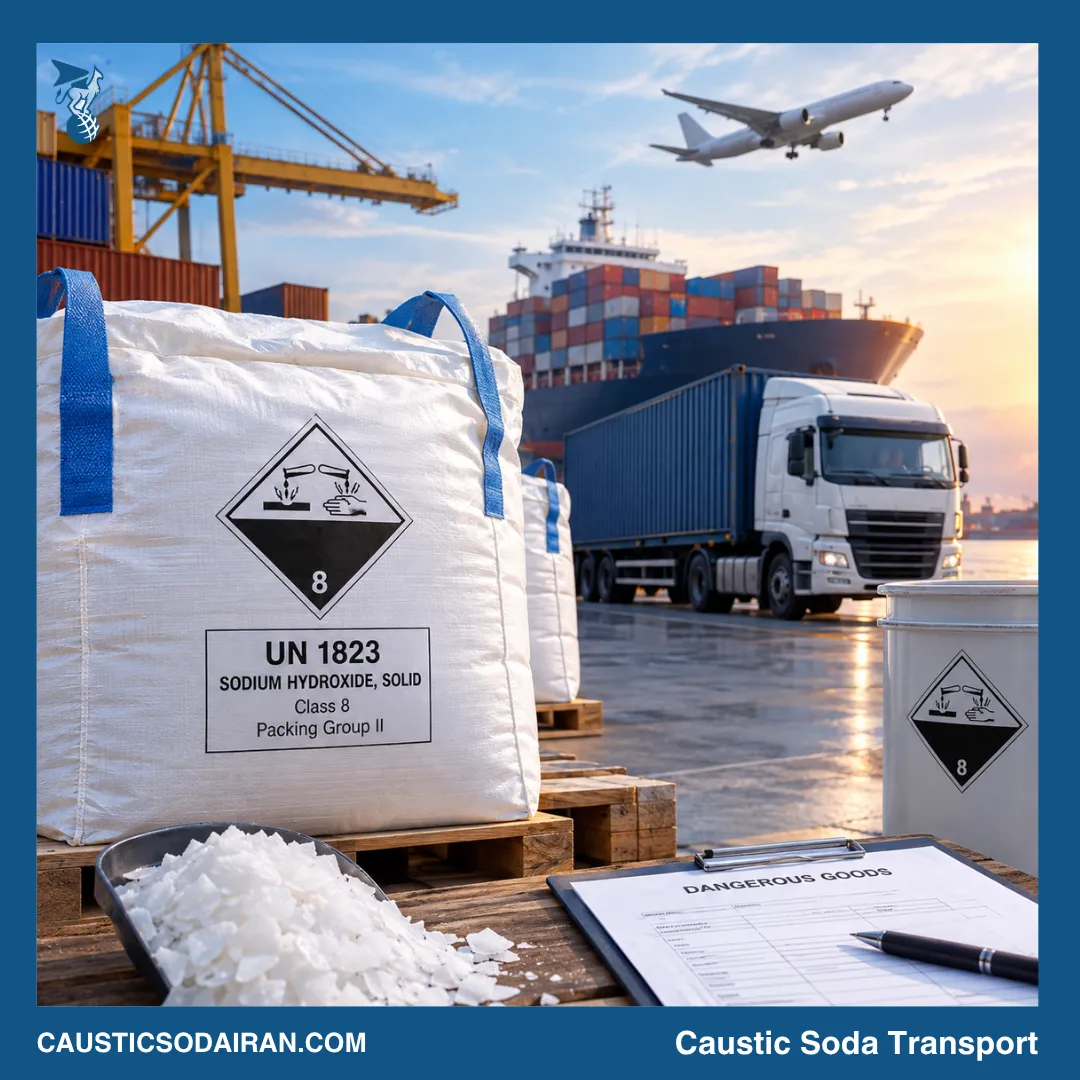
International regulations require clear and accurate labeling for hazardous chemicals.
Labels typically include:
- Product name
- Net weight
- Batch number
- Manufacturer information
- Hazard warnings
- Handling instructions
- Country of origin
Correct labeling supports customs clearance and safe handling throughout the supply chain.
Compliance with International Standards
Successful exporters ensure that their caustic soda flakes export packaging complies with global regulations.
Relevant requirements may include:
- UN recommendations for hazardous materials
- International Maritime Dangerous Goods (IMDG) Code
- Customer-specific packaging specifications
- Local import regulations
Compliance minimizes shipment delays and regulatory complications.
Choosing the Right Packaging Supplier
Reliable packaging suppliers contribute significantly to export success.
When selecting a supplier, consider:
- Material quality certifications
- Production consistency
- Moisture resistance performance
- Export packaging experience
- Customization capabilities
High-quality packaging often results in lower overall logistics costs and fewer product losses.
Conclusion
Effective caustic soda flakes export packaging is essential for maintaining product quality, ensuring safety, and meeting international shipping standards. By using moisture-resistant materials, proper palletization techniques, accurate labeling, and regulatory-compliant packaging solutions, exporters can reduce risks and improve customer satisfaction. Investing in professional export packaging ultimately supports successful global trade and strengthens long-term business relationships.

Leave a Reply