
Introduction
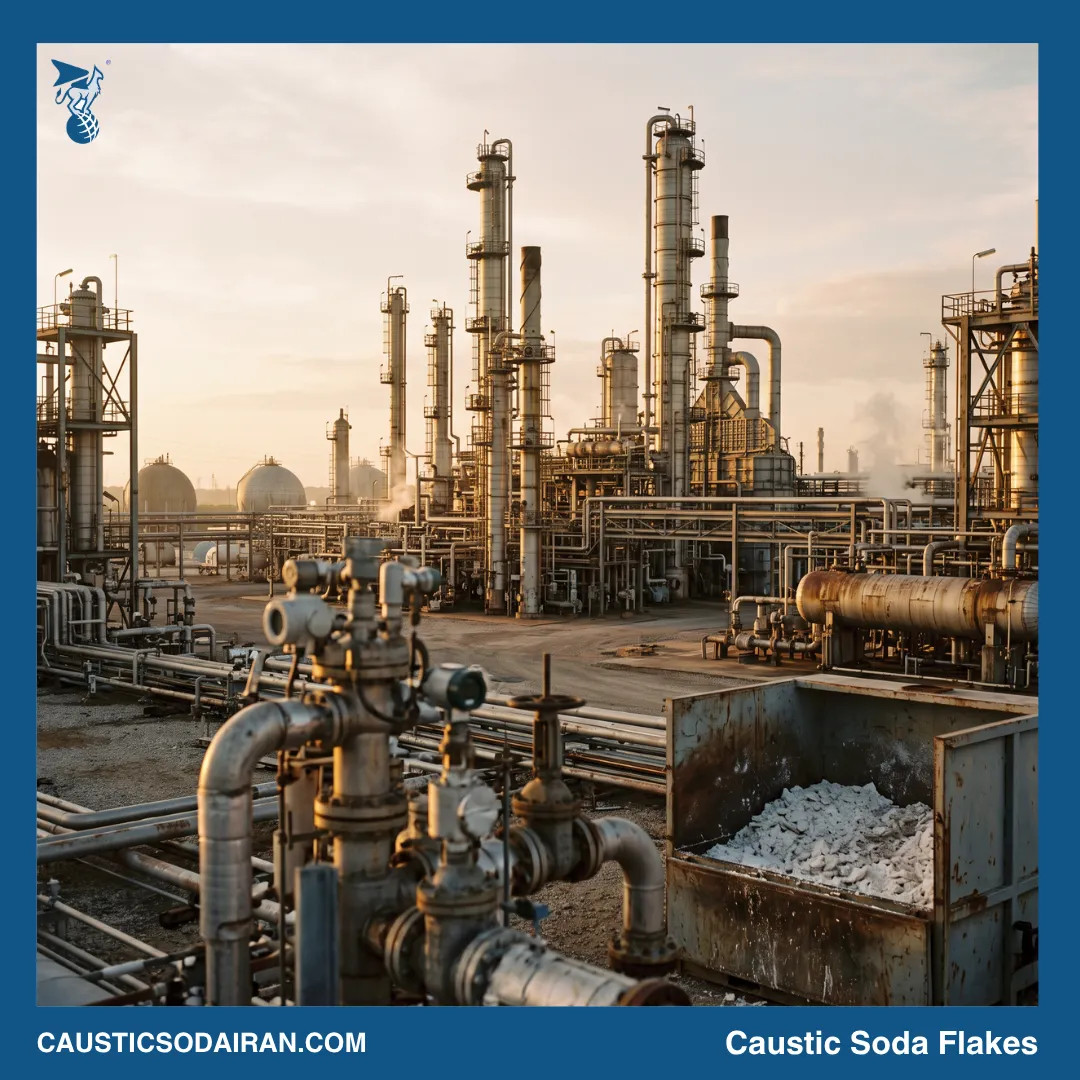
Caustic Soda Flakes are an important source of sodium hydroxide (NaOH) for many industrial processes. In the oil and gas industry, sodium hydroxide solutions support the treatment of selected hydrocarbon streams. Their strong alkaline properties also make them useful for gas sweetening, caustic washing, and sulfur-compound removal.
In refinery applications, the solid flakes are normally dissolved in water before use. The resulting NaOH solution can then enter a dedicated treatment system. Depending on the process, it may react with hydrogen sulfide (H₂S), mercaptans, and other acidic contaminants.
As a result, Caustic Soda Flakes can support hydrocarbon purification and help plants achieve required product specifications.
Why Are Caustic Soda Flakes Used in Oil and Gas?
Hydrocarbon streams can contain several unwanted acidic and sulfur-containing compounds. Hydrogen sulfide and mercaptans are particularly important because they can create odor, corrosion, toxicity, and product-quality concerns.
Sodium hydroxide provides a strongly alkaline environment for reacting with selected acidic compounds. During caustic treatment, some contaminants can move from the hydrocarbon phase into the aqueous alkaline phase.
For industrial facilities, Caustic Soda Flakes offer a convenient solid form of NaOH. Operators can dissolve the product when required and prepare a solution suitable for a specific treatment process.
Gas Sweetening with Sodium Hydroxide
Gas sweetening involves reducing unwanted acidic compounds from natural gas or other hydrocarbon streams. The process can improve gas quality and reduce problems associated with corrosive or toxic contaminants.
In refinery and gas-processing operations, gas sweetening can use alkaline treatment to reduce selected acidic and sulfur-containing contaminants.
Under suitable conditions, sodium hydroxide reacts with hydrogen sulfide. A simplified reaction is:
H₂S + NaOH → NaHS + H₂O
When sufficient caustic is available, further reaction can occur:
NaHS + NaOH → Na₂S + H₂O
The exact reaction pathway depends on factors such as caustic concentration, feed composition, temperature, pressure, and contact conditions.
However, caustic treatment is not appropriate for every gas-sweetening application. Large gas-processing facilities may rely on amine systems when high-capacity or deep H₂S removal is required.
Mercaptan Removal and Caustic Extraction
Mercaptans are organic sulfur compounds represented by the general formula R–SH. These compounds are associated with strong odors and can affect the quality of petroleum products.
Caustic extraction uses sodium hydroxide to react with selected mercaptans. The simplified reaction can be represented as:
R–SH + NaOH ⇌ R–SNa + H₂O
The resulting mercaptide is more soluble in the aqueous phase. Therefore, the treatment can transfer selected mercaptans out of the hydrocarbon stream.
This mechanism makes sodium hydroxide useful for specific LPG, naphtha, gasoline, and light-hydrocarbon treatment processes.
Caustic Extraction vs. Sweetening
Caustic extraction and sweetening should not be treated as identical processes.
In caustic extraction, selected sulfur compounds move from the hydrocarbon phase into the alkaline phase. The objective is therefore to reduce the concentration of those compounds in the treated stream.
Sweetening can follow a different mechanism. For example, mercaptans may be converted into disulfides. Sulfur can remain in the hydrocarbon product, although the chemical conversion may reduce odor and corrosivity.
Consequently, process engineers must define the required treatment objective before selecting a caustic-based system.
Applications in Refinery Desulfurization
Refineries use several technologies to control sulfur compounds in petroleum streams. Caustic treatment represents one option for selected applications where alkaline washing or extraction can achieve the required reduction.
Caustic soda flakes are also used in the oil refining process to neutralize acidic compounds and support the removal of sulfur-containing contaminants.
A properly designed caustic system can treat streams containing hydrogen sulfide and certain mercaptans. Such treatment may improve the quality of intermediate or finished hydrocarbon products.
Deep sulfur removal requires a different approach in many cases. Hydrodesulfurization (HDS), for example, uses hydrogen and catalysts to remove sulfur from a much broader range of compounds.
For that reason, Caustic Soda Flakes should be viewed as a feedstock for targeted alkaline treatment rather than a universal replacement for refinery desulfurization technologies.
Use in LPG and Light Hydrocarbon Streams
Light hydrocarbon streams are among the important areas where caustic treatment can provide value. Refinery systems may use sodium hydroxide solutions for selected LPG and petroleum-product treatment applications.
Typical streams can include:
- LPG
- Naphtha
- Gasoline
- Kerosene
- Light hydrocarbon fractions
- Selected refinery intermediate streams
The treatment mechanism depends on the composition of the feed. Contact between the hydrocarbon and caustic phases allows selected acidic compounds to react with the alkaline solution.
Proper phase separation is also important. Efficient separation reduces hydrocarbon losses and helps maintain the quality of the treated caustic stream.
Caustic Wash in Gas Processing
Caustic washing can provide targeted removal of acidic contaminants in certain gas-processing systems. Sodium hydroxide reacts with selected compounds and transfers them into the aqueous phase.
Several operating variables influence the effectiveness of this process. Feed composition is one of the most important factors. Other considerations include H₂S concentration, mercaptan content, CO₂ concentration, NaOH strength, temperature, pressure, and contact efficiency.
Plant designers must also consider hydrocarbon carryover and spent-caustic generation. These factors influence both operating costs and environmental performance.
Preparing Caustic Soda Flakes for Industrial Use
Before entering most refinery treatment systems, solid Caustic Soda Flakes must be dissolved in water. This preparation step requires careful control because sodium hydroxide dissolution generates considerable heat.
A suitable preparation procedure should include controlled chemical addition and effective mixing. Temperature monitoring is also essential during dissolution.
The following practices can improve operational control:
- Use compatible equipment.
- Add the flakes under controlled conditions.
- Control the heat generated during dissolution.
- Maintain adequate mixing.
- Verify the final NaOH concentration.
- Prevent contamination during preparation.
- Follow the plant’s chemical-handling procedures.
The required concentration should always match the specific treatment process and operating conditions.
Benefits of Caustic Soda Flakes in Oil and Gas Operations
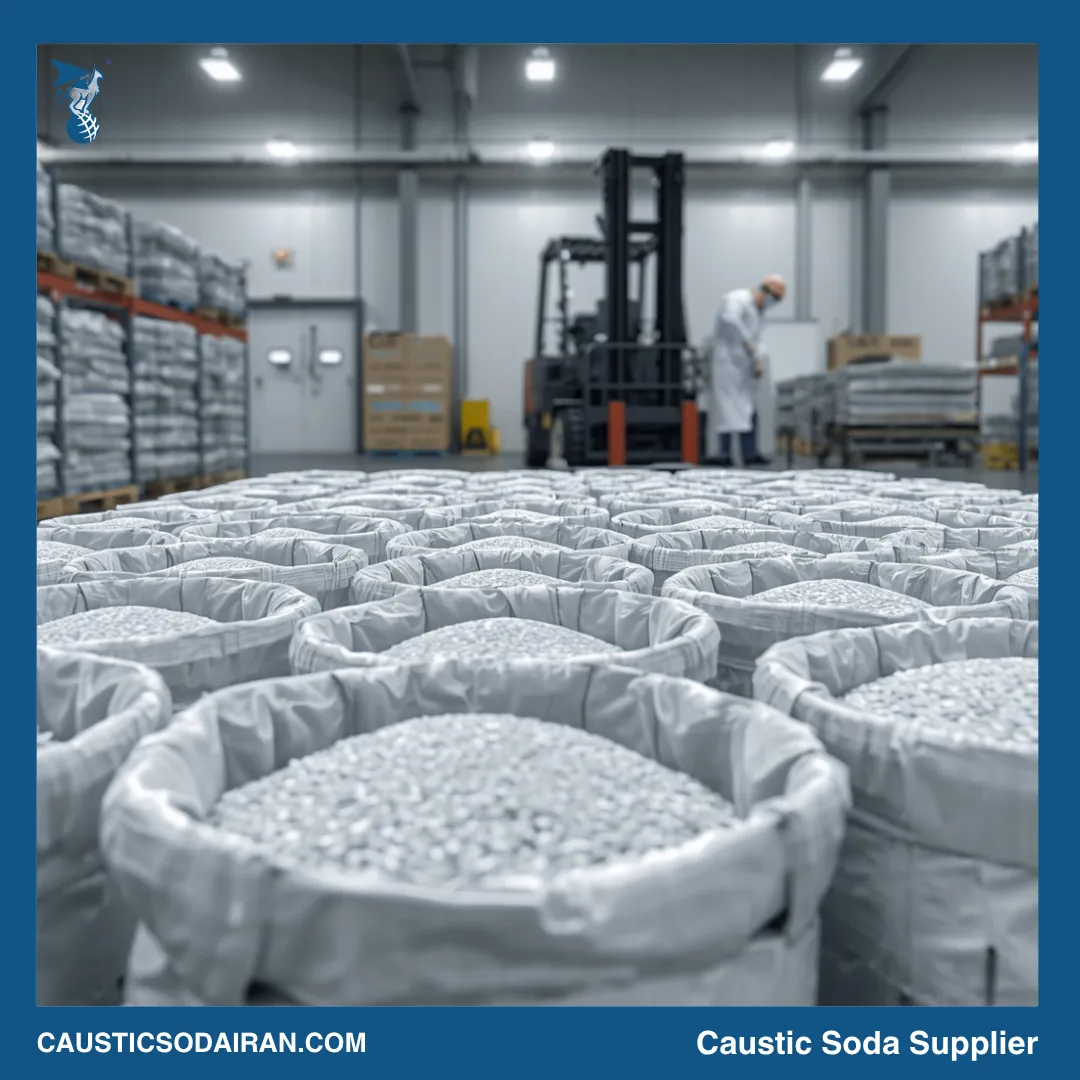
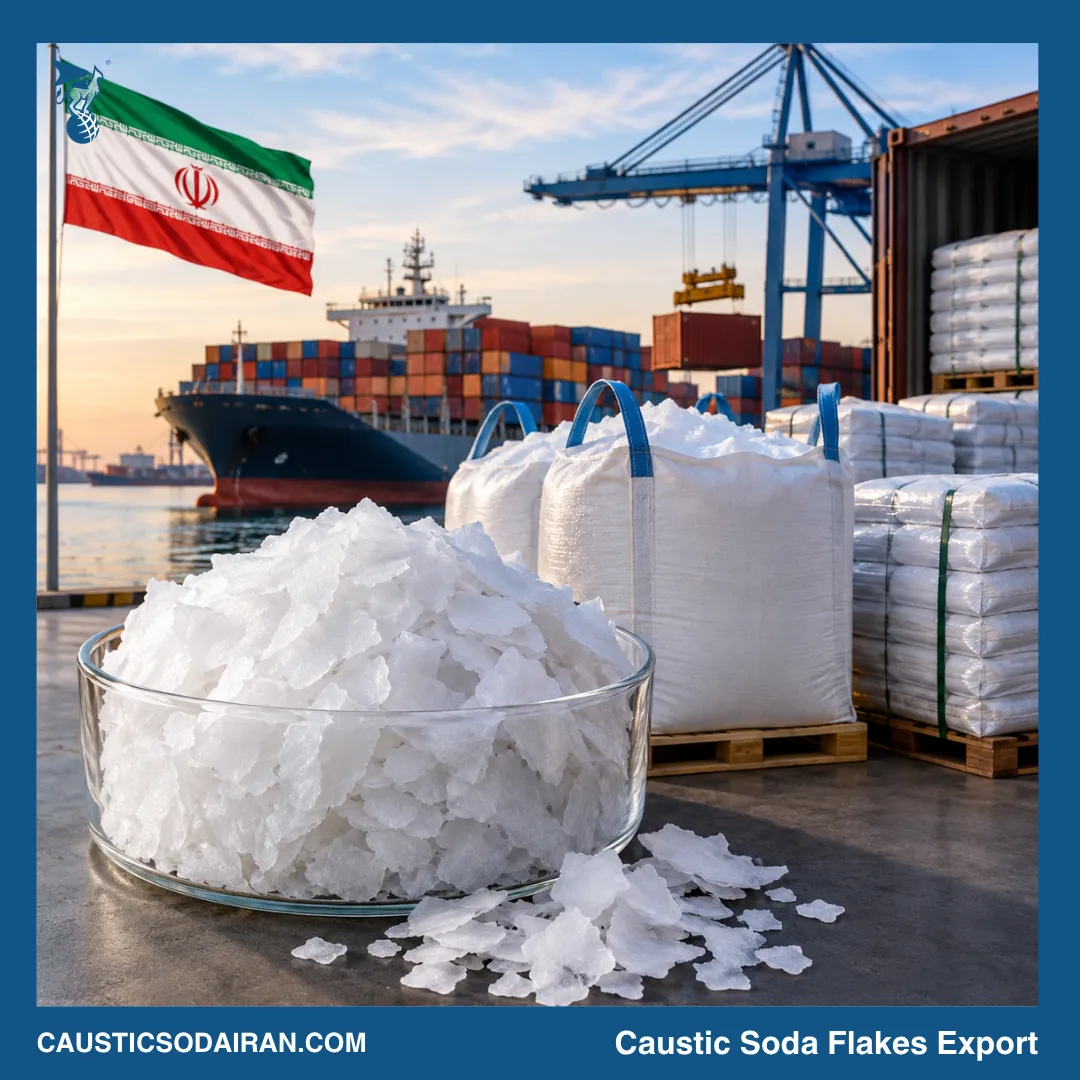
Solid sodium hydroxide provides several practical advantages for industrial users. Transportation is one important consideration because the solid product does not contain the water present in liquid caustic solutions.
Storage flexibility can also be valuable for facilities with suitable dry-chemical storage areas. Operators can prepare the required solution when the treatment process demands it.
Another advantage is concentration flexibility. Plants can prepare a sodium hydroxide solution according to the needs of the process, provided the dilution system is correctly designed.
Furthermore, Caustic Soda Flakes offer an established source of NaOH for various refinery and hydrocarbon-treatment operations.
Spent Caustic Management
Spent caustic is an important part of refinery process planning. During treatment, sodium hydroxide reacts with sulfur compounds and other contaminants. Consequently, the solution gradually accumulates reaction products.
Depending on the feedstock and process, spent caustic may contain sulfides, mercaptans, hydrocarbons, phenolic compounds, and other contaminants.
Effective management can therefore influence both environmental performance and operating costs. Depending on the process, facilities may consider regeneration, recovery, treatment, or controlled disposal.
A complete economic evaluation should include both fresh caustic consumption and spent-caustic handling requirements.
Safety Considerations for Caustic Soda Flakes
Caustic Soda Flakes are highly corrosive. Direct contact can cause severe chemical burns, while incorrect dissolution can create significant heat.
Industrial operators should use appropriate protective equipment during handling. Chemical-resistant gloves, protective clothing, eye protection, and face protection are important controls.
Safe storage also requires a dry and properly managed environment. Moisture exposure can affect the physical condition of the flakes and complicate handling.
Emergency eyewash stations and safety showers should be available in areas where sodium hydroxide is handled. In addition, personnel should receive suitable training before working with the chemical.
Caustic Soda Flakes vs. Liquid Caustic Soda
Both solid flakes and liquid caustic soda provide sodium hydroxide. The main difference is the physical form and the associated storage and handling requirements.
| Factor | Caustic Soda Flakes | Liquid Caustic Soda |
|---|---|---|
| Physical form | Solid | Aqueous solution |
| Storage | Dry storage | Liquid storage |
| Transportation | No water transported | Water contributes to shipment volume |
| Preparation | Requires dissolution | Ready for use or dilution |
| Concentration flexibility | High | Depends on supplied concentration |
| Equipment | Solid-handling and dissolution system | Liquid storage and transfer system |
The preferred option depends on plant infrastructure, consumption rate, logistics, storage capacity, and process requirements.
How to Select Caustic Soda Flakes for Refinery Applications
Chemical quality plays an important role in refinery applications. Buyers should evaluate the technical specification before selecting a supplier.
Important purchasing criteria include:
- NaOH purity
- Sodium carbonate content
- Chloride content
- Iron and other impurities
- Moisture content
- Flake quality
- Packaging condition
- Certificate of Analysis (CoA)
- Batch consistency
- Production capacity
- Supply reliability
- Export and logistics capability
A consistent specification can help industrial users maintain stable treatment performance. Reliable packaging is equally important because the product should remain protected from moisture during transportation and storage.
Key Factors Affecting Caustic Treatment Performance
Several factors determine how effectively a sodium hydroxide solution treats a hydrocarbon stream.
Feed composition directly affects chemical consumption. Higher concentrations of acidic contaminants can increase the required caustic demand.
NaOH concentration also influences treatment performance. The optimum strength depends on the process and target contaminants.
Temperature can affect reaction rates and phase behavior. However, excessive temperature may create operational or safety concerns.
Contact efficiency determines how effectively the hydrocarbon and caustic phases interact. Poor contact can reduce contaminant removal.
Phase separation is another critical factor. Efficient separation helps prevent hydrocarbon carryover into the spent caustic and reduces product losses.
Conclusion
Caustic Soda Flakes provide a practical source of sodium hydroxide for selected oil, gas, and refinery applications. After controlled dissolution, the resulting solution can support caustic washing, mercaptan extraction, gas sweetening, and targeted sulfur-compound removal.
Strong alkaline chemistry allows NaOH to react with hydrogen sulfide and selected mercaptans. Consequently, properly designed caustic-treatment systems can improve the quality of specific hydrocarbon streams.
Nevertheless, the technology has clear limitations. Deep desulfurization may require processes such as hydrodesulfurization, while large-scale gas sweetening may rely on amine-based systems.
For industrial buyers, product purity, consistent quality, safe handling, reliable supply, transportation, and spent-caustic management should all be considered before purchasing Caustic Soda Flakes.
A reliable supplier can also help maintain consistent chemical quality and support the operational requirements of refinery and oil-and-gas facilities.
Leave a Reply