
causticadmin
-
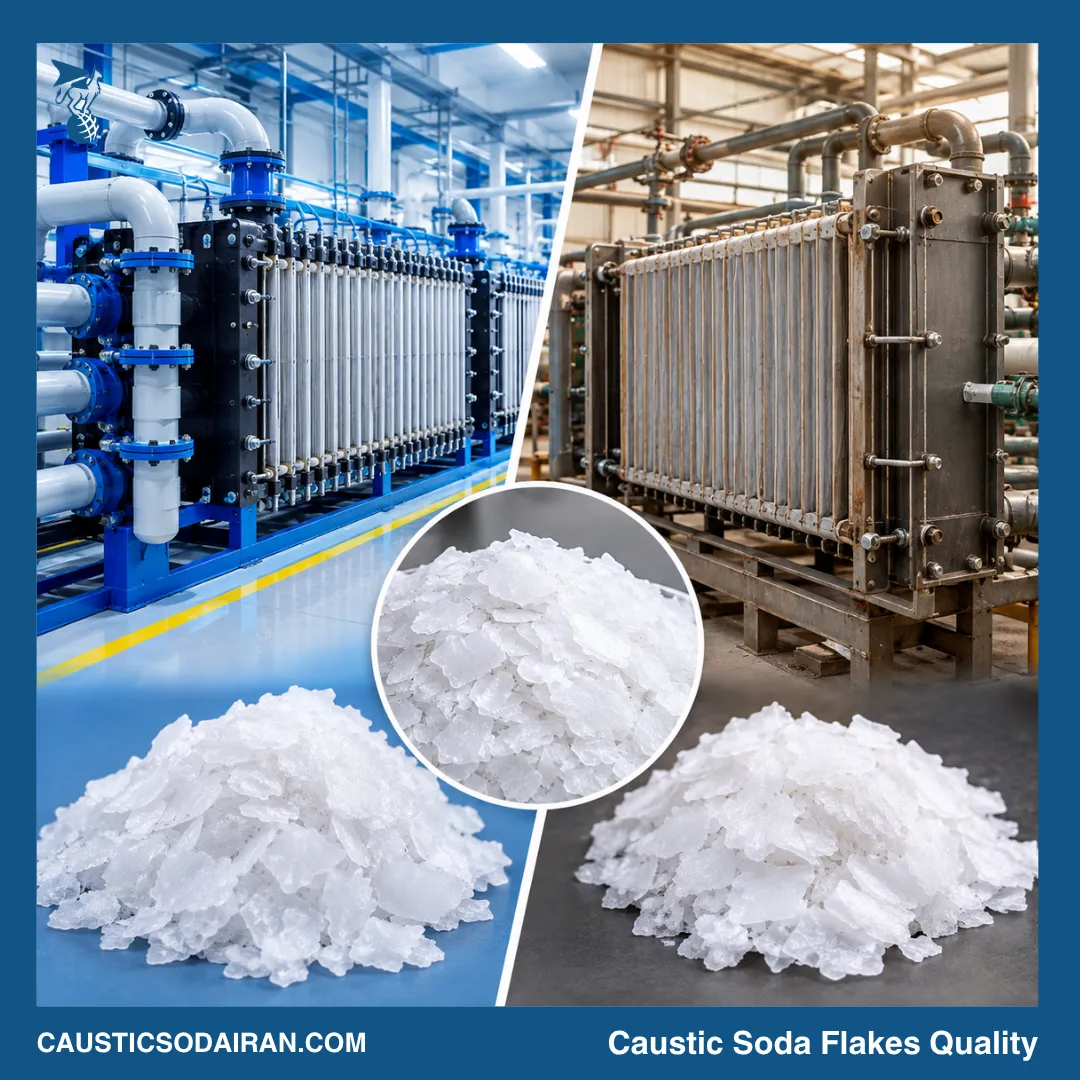
Quality Differences in Caustic Soda Flakes: Membrane vs. Diaphragm Electrolysis Production Methods
.
Caustic soda flakes are widely used in chemical processing, pulp and paper production, alumina refining, textiles, detergents, water treatment, and petroleum industries. Although sodium hydroxide (NaOH) is the main component in both membrane-cell and diaphragm-cell products, the manufacturing method can influence the final caustic soda flakes quality. The chlor-alkali industry mainly uses membrane and diaphragm…
-

Caustic Soda Transport: HAZMAT and UN Code Requirements
.
Exporting caustic soda flakes requires strict compliance with hazardous materials transport regulations. Because sodium hydroxide is highly corrosive, international shipments must follow specific requirements for classification, packaging, labeling, documentation, and handling. For most solid caustic soda flakes, the applicable transport designation is UN 1823, SODIUM HYDROXIDE, SOLID, classified as Class 8 corrosive material with Packing…
-

Caustic Soda HSE Protocols and Emergency Spill Neutralization for Caustic Soda in Industrial Warehouses
.
Introduction Caustic Soda HSE protocols are essential for protecting workers, facilities, and the environment when sodium hydroxide is stored or handled in industrial warehouses. Caustic soda is a highly corrosive chemical that can cause serious burns to the skin and eyes. Therefore, proper storage, personal protective equipment (PPE), spill control, and emergency procedures should be…
-
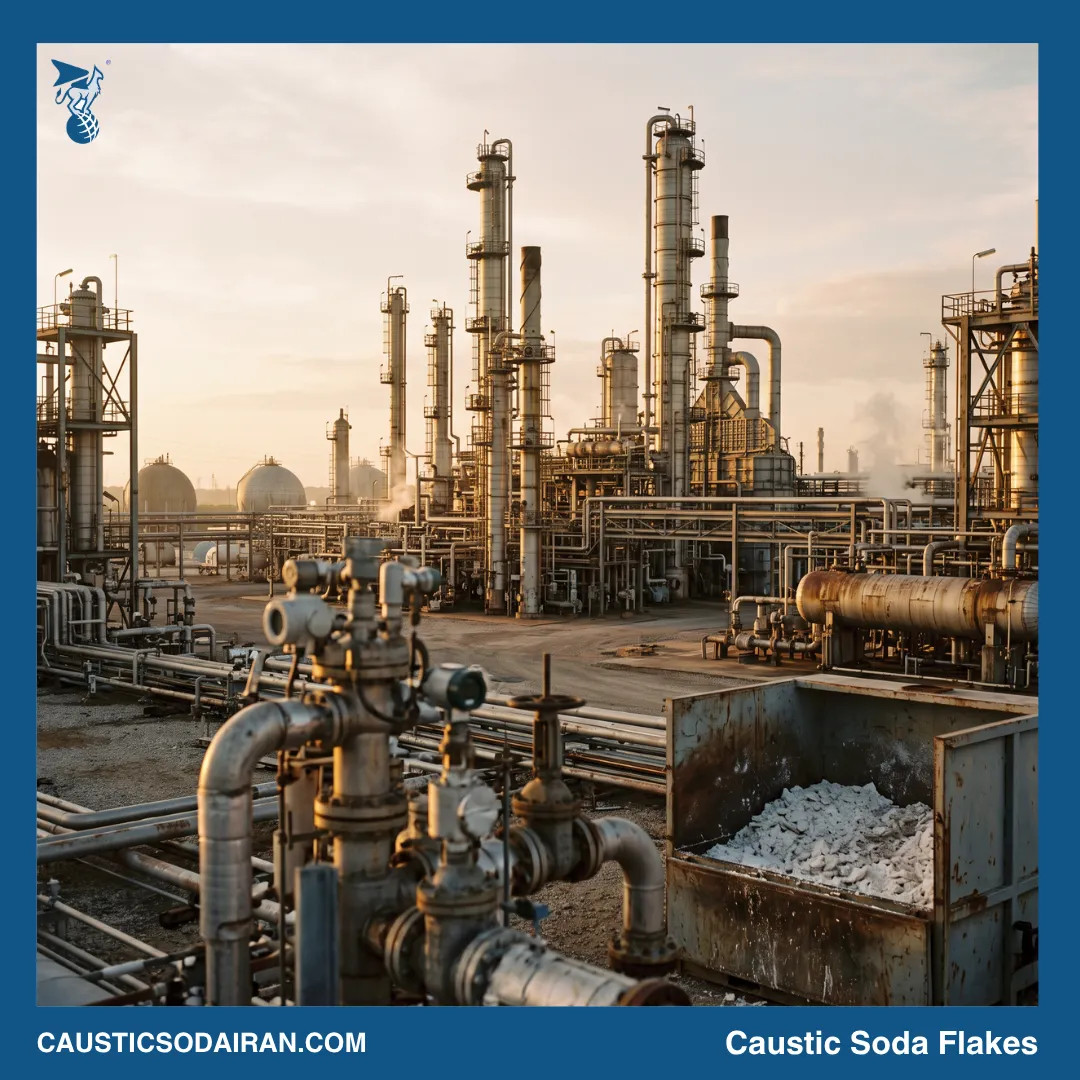
Applications of Caustic Soda Flakes in Oil, Gas, and Refineries: Gas Sweetening and Desulfurization
.
Introduction Caustic Soda Flakes are an important source of sodium hydroxide (NaOH) for many industrial processes. In the oil and gas industry, sodium hydroxide solutions support the treatment of selected hydrocarbon streams. Their strong alkaline properties also make them useful for gas sweetening, caustic washing, and sulfur-compound removal. In refinery applications, the solid flakes are…
-
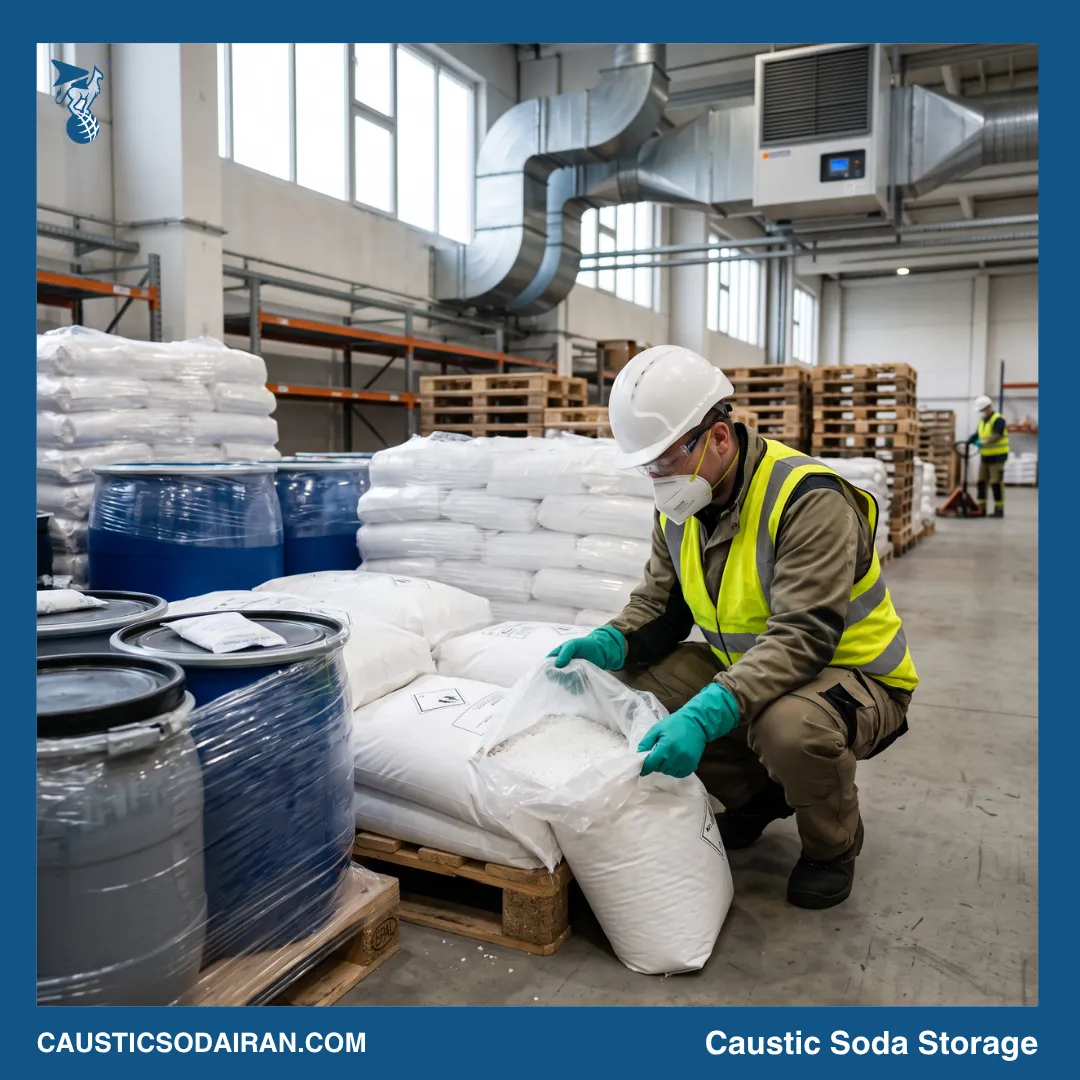
Caustic Soda Storage: Techniques for Preventing Caking and Moisture Absorption
.
Caustic Soda Storage requires careful control of moisture, packaging, temperature, and warehouse conditions. Caustic soda flakes, also known as sodium hydroxide (NaOH), are highly hygroscopic and can absorb moisture from the surrounding air. As a result, improperly stored flakes may become sticky, form lumps, cake together, or experience changes in physical quality. For industrial buyers…
-
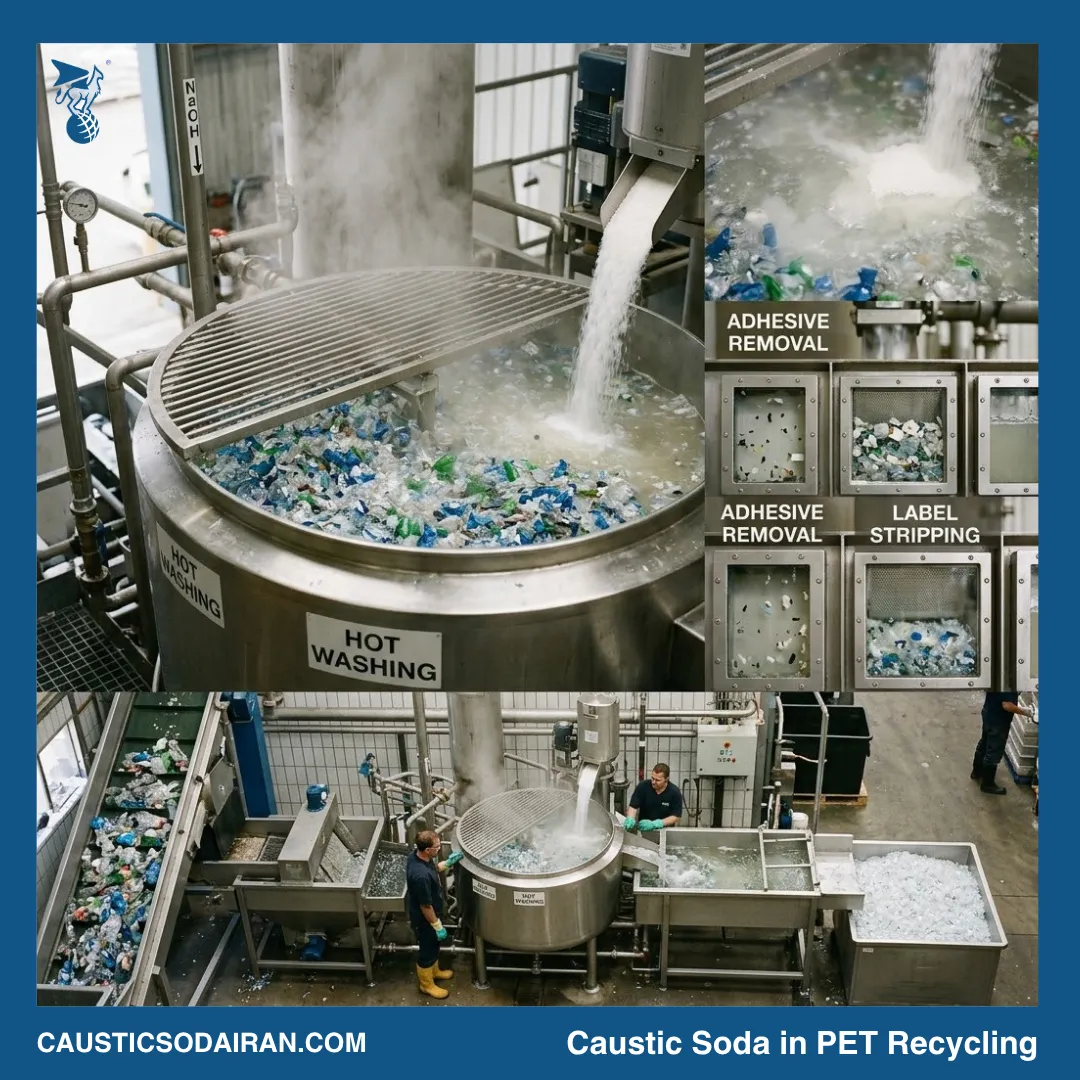
The Role of Caustic Soda in PET Plastic Recycling and Hot Washing Processes
.
Plastic recycling depends heavily on effective cleaning and decontamination. Among the chemicals used in mechanical recycling, caustic soda in PET recycling plays an important role in removing stubborn contaminants from polyethylene terephthalate (PET) flakes. PET bottles often contain adhesive residues, labels, oils, beverage residues, dirt, and other contaminants. Mechanical sorting and conventional water washing can…
-
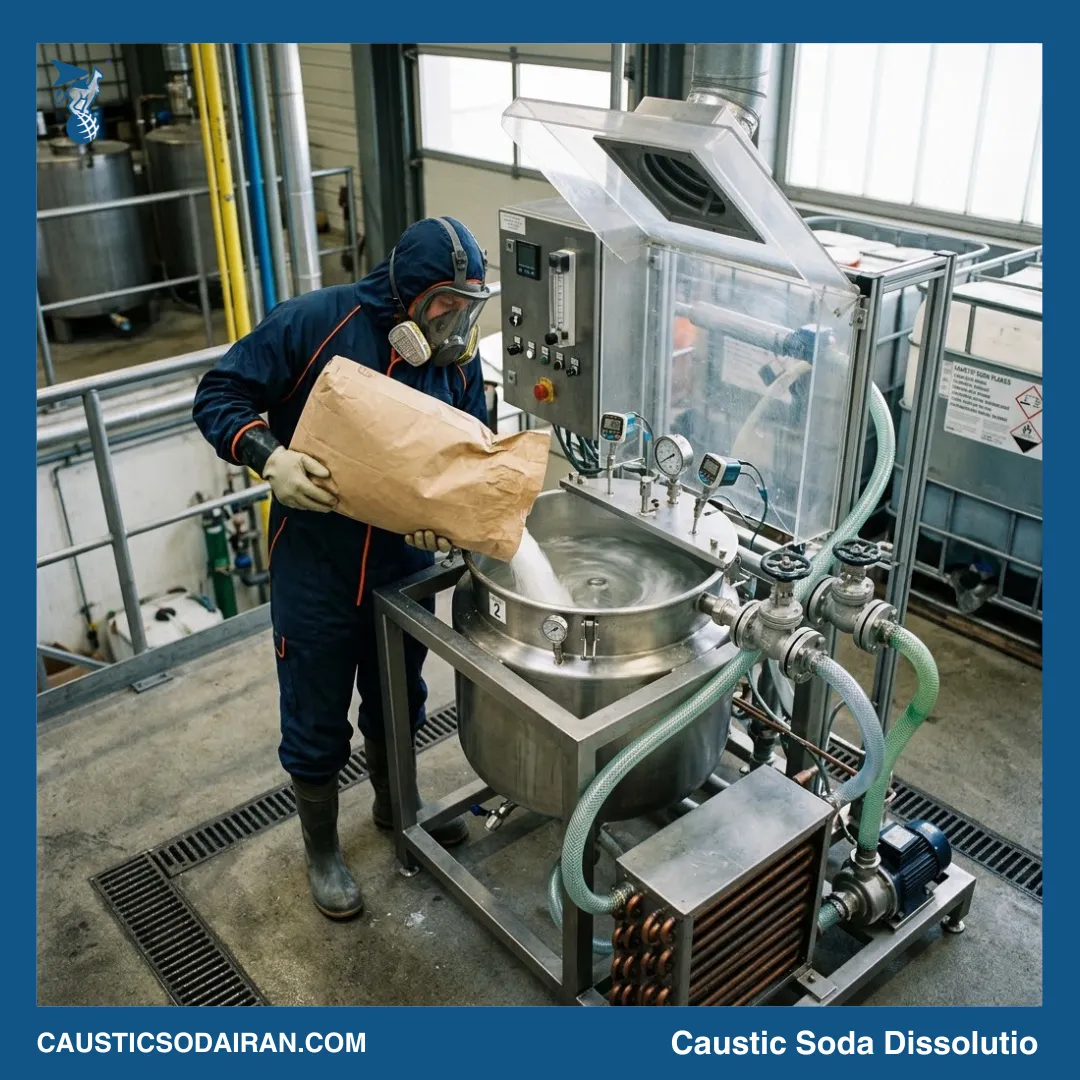
Caustic Soda Dissolutio: Safe Flake Dissolution Guide
.
Caustic soda dissolution requires careful process control because sodium hydroxide (NaOH) releases a substantial amount of heat when it dissolves in water. Industries use caustic soda flakes in chemical processing, water treatment, detergents, pulp and paper production, and many other applications. However, improper handling can cause severe burns, splashing, local boiling, and equipment damage. A…
-
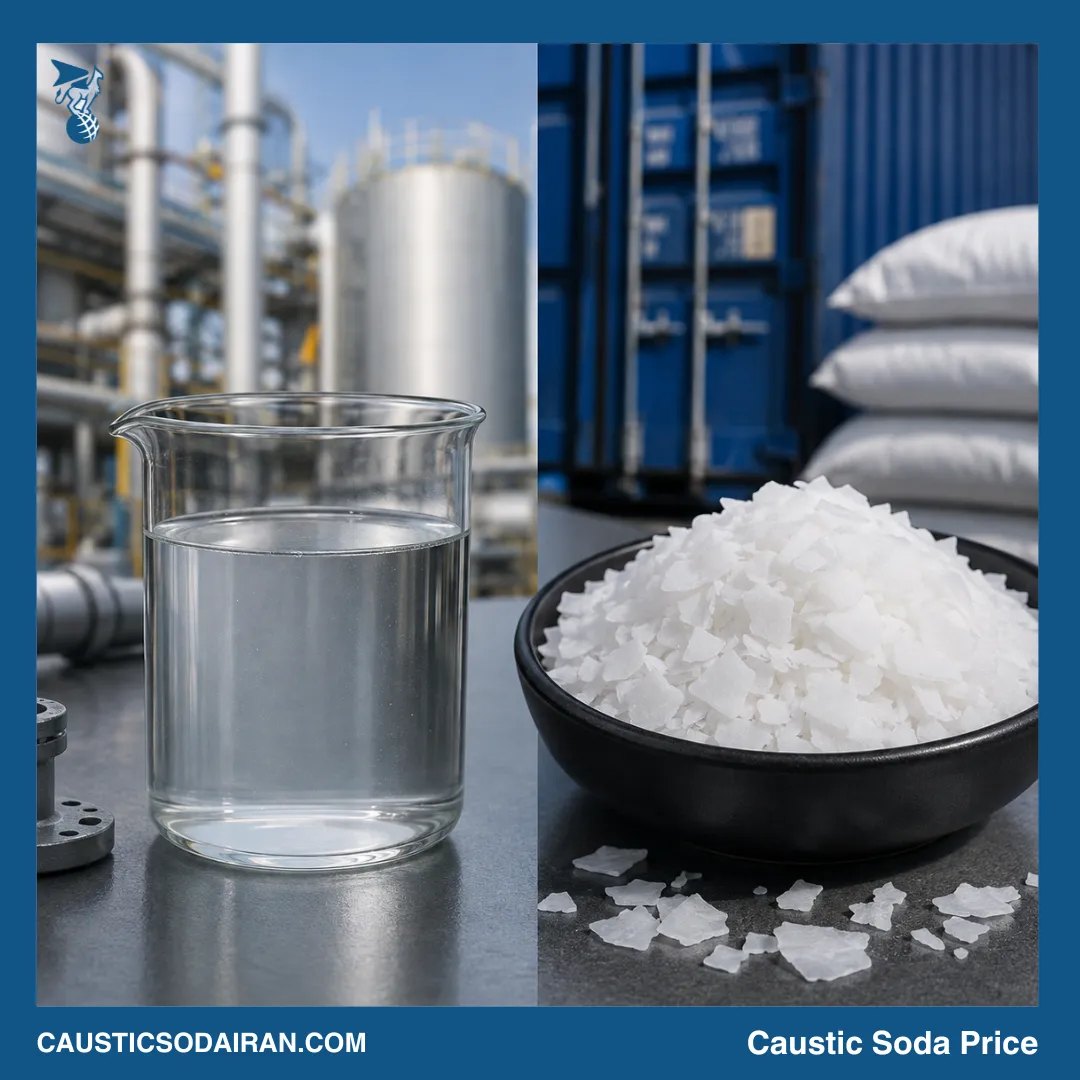
Caustic Soda Price: Liquid 50% vs. Flakes 98%
.
Introduction Caustic soda price is influenced by more than the concentration of sodium hydroxide in the product. For industrial buyers, the final purchasing cost depends on product form, production energy, freight, packaging, supply-demand conditions, and the selected Incoterm. Liquid caustic soda at around 50% NaOH and caustic soda flakes at around 98% NaOH are two…
-
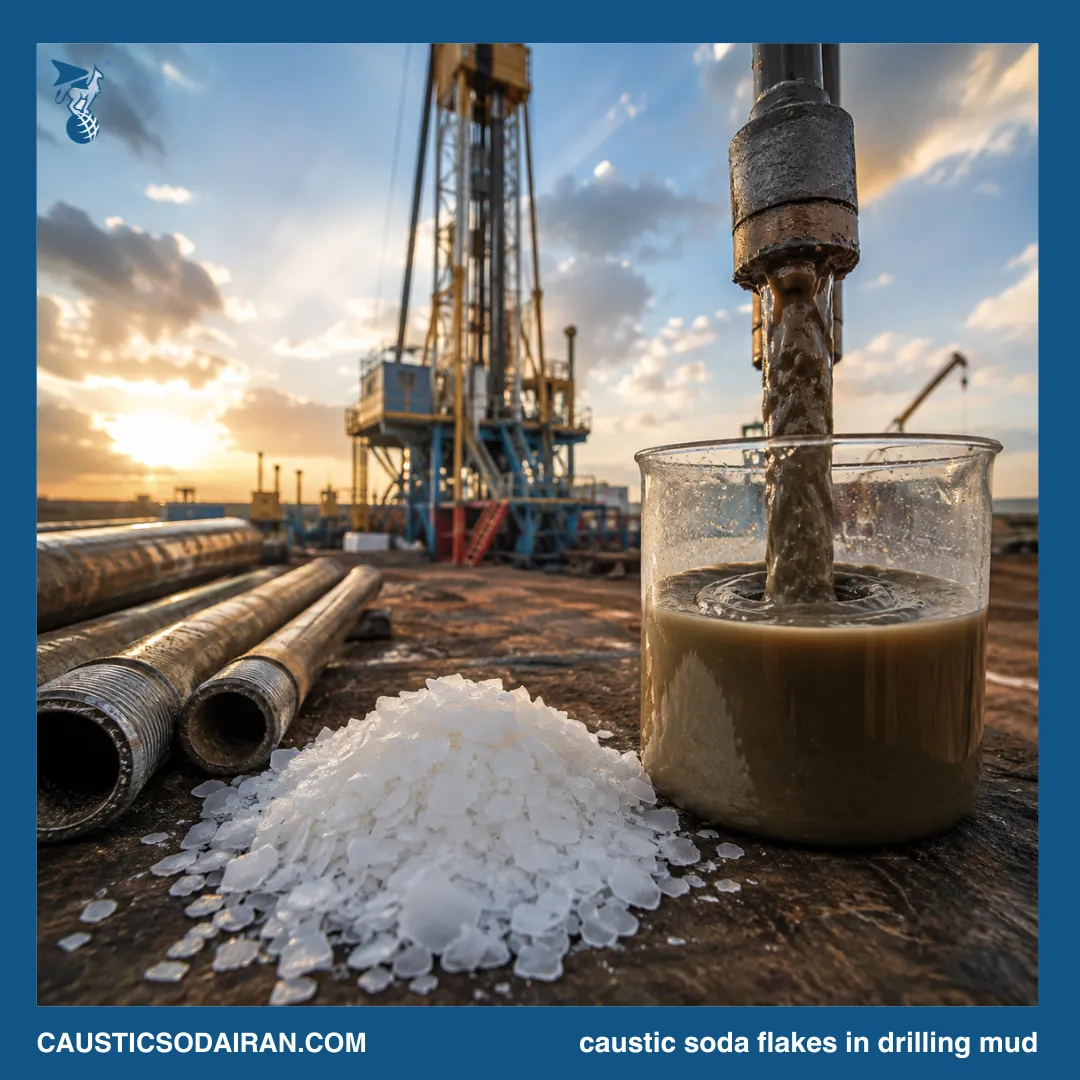
Applications of Caustic Soda Flakes in Drilling Mud: pH Control and H₂S Neutralization in Oil & Gas Drilling
.
Introduction Caustic soda flakes in drilling mud are widely used in water-based drilling fluids to control alkalinity and maintain the chemical conditions required for efficient drilling. Caustic soda, chemically known as sodium hydroxide (NaOH), is a strong alkali that releases hydroxyl ions when dissolved in water. These ions increase the pH of the drilling fluid…
-
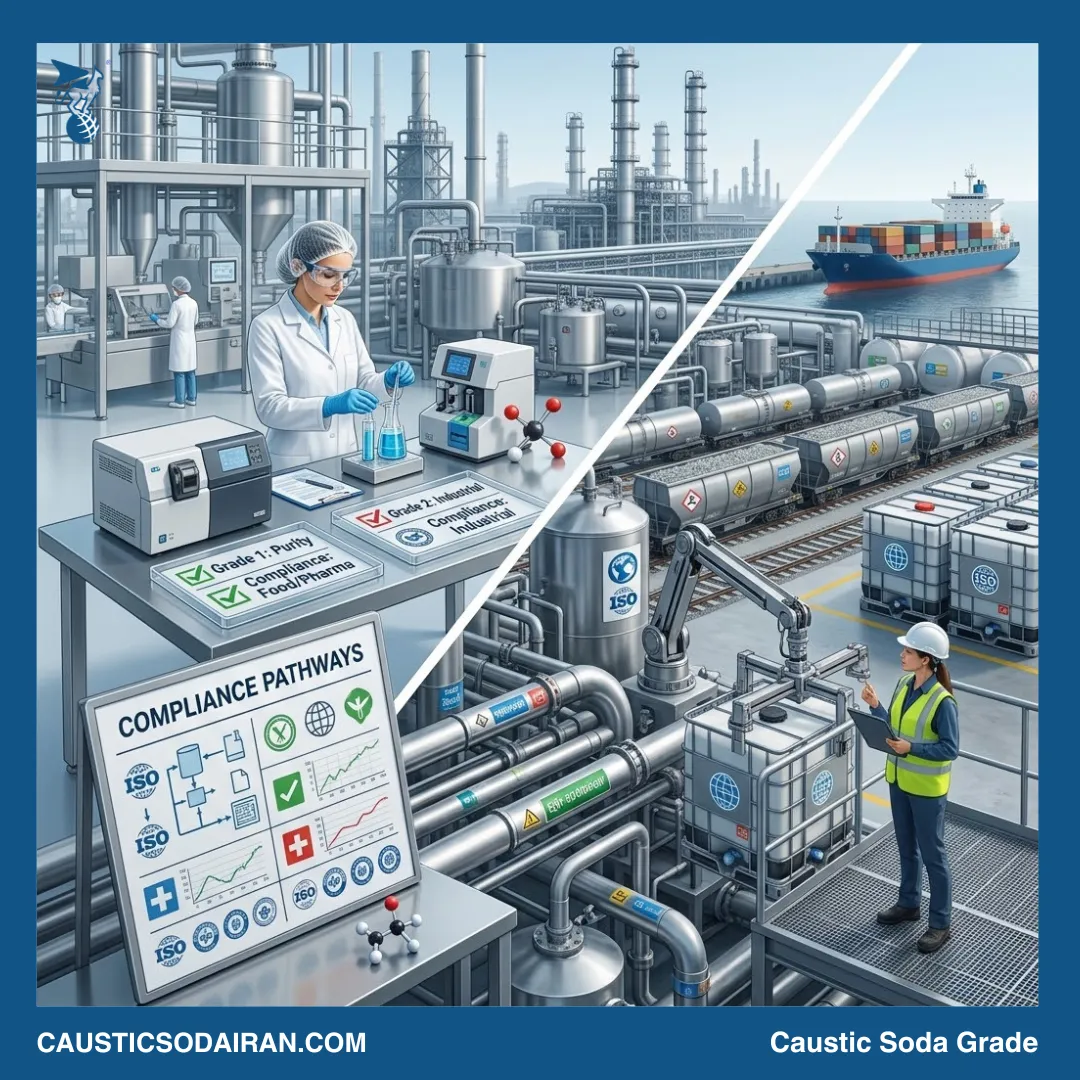
Food and Pharmaceutical Grade Caustic Soda vs. Industrial Grade: Standards and Compliance
.
Introduction Choosing the right Caustic Soda Grade is essential for manufacturers operating in food, pharmaceutical, chemical, and other industrial sectors. Sodium hydroxide (NaOH) is available in different quality levels, and each grade can have different specifications, impurity limits, documentation, and intended applications. Food and pharmaceutical applications generally require tighter quality controls than many general industrial…