
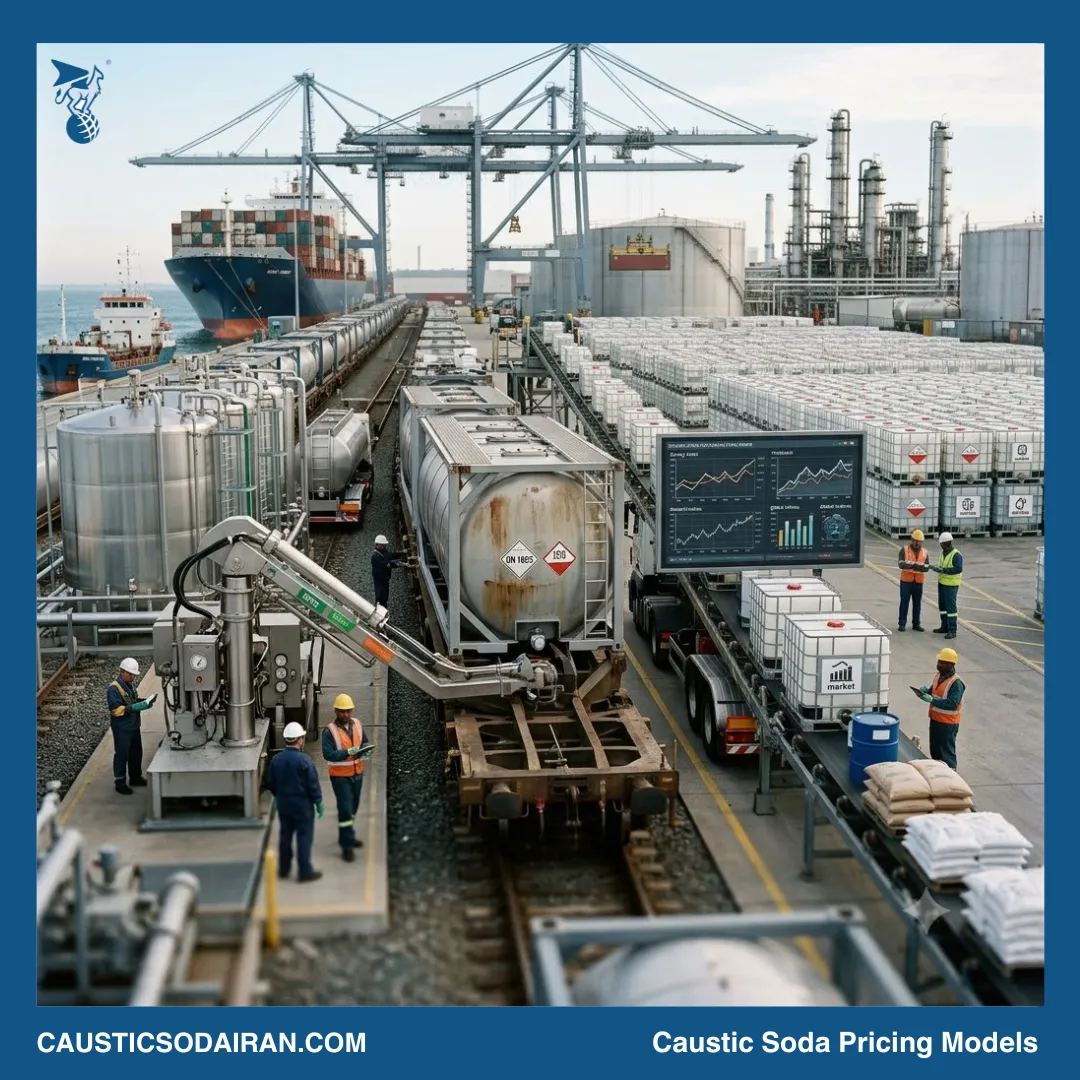
In the global chemical market, caustic soda pricing models play a critical role in long-term B2B supply contracts. Industrial buyers and suppliers must understand how pricing structures such as FOB, CFR, and quality premiums influence the final cost of sodium hydroxide shipments. Choosing the right pricing model helps companies reduce procurement risks, improve budgeting accuracy, and build stronger supplier relationships.
Long-term caustic soda contracts usually involve multiple factors beyond the basic product price, including transportation costs, market fluctuations, purity levels, packaging requirements, and delivery terms. Understanding these components allows buyers to negotiate more transparent and cost-effective agreements.
Understanding Caustic Soda Pricing Models in B2B Contracts
Caustic soda (NaOH) is a key industrial chemical used in industries such as aluminum production, pulp and paper, textiles, water treatment, and chemical manufacturing. Due to its high-volume international trade, pricing is often negotiated through structured B2B models rather than fixed market prices.
The most common pricing approaches include:
- FOB-based pricing
- CFR-based pricing
- Quality-based premium pricing
- Market-linked pricing formulas
Each model determines how costs, risks, and responsibilities are divided between buyers and suppliers.
FOB Pricing Model for Caustic Soda Contracts
FOB (Free On Board) pricing is one of the most widely used models in international caustic soda trade.
Under an FOB contract, the seller is responsible for delivering the product to the export port and completing export procedures. After loading the cargo onto the vessel, the buyer assumes responsibility for freight, insurance, and transportation risks.
Advantages of FOB Pricing
FOB pricing provides several benefits for experienced industrial buyers:
- Greater control over shipping arrangements
- Ability to negotiate freight rates directly
- Better visibility of transportation costs
- Flexibility when working with preferred logistics providers
However, buyers must have sufficient logistics knowledge because they are responsible for arranging international transportation.
CFR Pricing Model for Long-Term Caustic Soda Supply
CFR (Cost and Freight) pricing includes the product cost and transportation expenses to the destination port.
In this model, the supplier arranges and pays for ocean freight, while the buyer remains responsible for insurance and import-related costs.
Why Buyers Choose CFR Contracts
Many companies prefer CFR pricing because it simplifies procurement processes. The supplier manages shipping arrangements, allowing buyers to focus on production planning and inventory management.
CFR contracts are especially useful for buyers who:
- Have limited experience with international shipping
- Prefer predictable logistics costs
- Purchase regular bulk shipments
However, buyers should carefully review freight calculations because transportation costs can significantly affect the final caustic soda price.
Quality Premiums in Caustic Soda Pricing
Besides shipping terms, product quality is another important factor affecting long-term contract pricing.
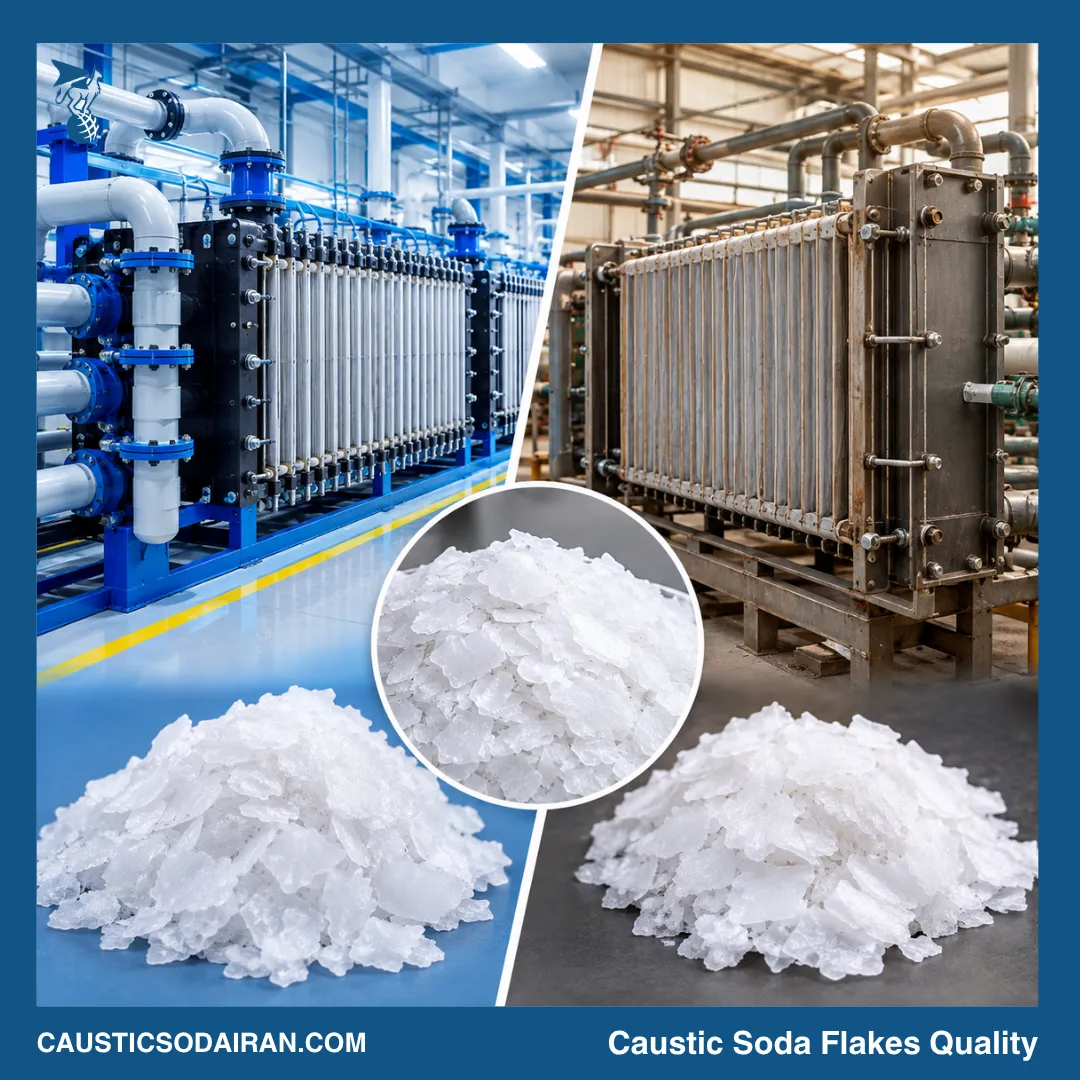
A quality premium is an additional charge applied when caustic soda meets specific technical requirements beyond standard market specifications.
Common factors influencing quality premiums include:
- Higher purity levels
- Lower impurity content
- Specific concentration levels
- Certified quality documentation
- Customized packaging solutions
For example, industrial buyers requiring high-purity caustic soda for sensitive applications may accept higher prices in exchange for consistent quality and reliable supply.
Market-Based Pricing Adjustments in Long-Term Contracts
Long-term caustic soda agreements often include price adjustment mechanisms to protect both buyers and suppliers from caustic soda price fluctuations.
These adjustments may be linked to:
- Energy costs
- Raw material prices
- Regional supply and demand changes
- Transportation expenses
- Currency fluctuations
Industry price assessments and market reports help buyers track regional caustic soda price movements and negotiate more accurate long-term contracts.
A flexible pricing formula helps maintain contract stability while allowing adjustments according to market conditions.
Comparing FOB, CFR, and Quality Premium Pricing Models
| Pricing Model | Main Cost Responsibility | Best For |
|---|---|---|
| FOB | Buyer manages freight and insurance | Experienced international buyers |
| CFR | Supplier manages ocean freight | Buyers seeking simpler logistics |
| Quality Premium | Buyer pays extra for specifications | Industries requiring higher-grade products |
Selecting the correct model depends on purchasing strategy, logistics capability, and application requirements.
How to Negotiate Better Caustic Soda Supply Contracts
Successful negotiation of long-term caustic soda contracts requires a clear understanding of pricing structures and market conditions.
Important negotiation points include:
Define Product Specifications
Buyers should clearly specify:
- NaOH concentration
- Maximum impurity levels
- Packaging type
- Required certifications
Clear specifications reduce quality disputes and unexpected costs.
Include Flexible Pricing Clauses
Long-term agreements should include transparent adjustment formulas instead of fixed prices that may become unrealistic during market changes.
Evaluate Total Delivered Cost
The lowest product price does not always represent the best deal. Buyers should analyze the complete cost, including:
- Product price
- Freight
- Insurance
- Port charges
- Quality requirements
This approach provides a more accurate comparison between suppliers.
The Role of Supplier Reliability in Caustic Soda Contracts
Price is only one factor in long-term chemical procurement. Reliable suppliers provide consistent quality, stable delivery schedules, and proper documentation.
A trusted caustic soda supplier can help companies reduce production interruptions and improve supply chain efficiency.
Conclusion
Understanding caustic soda pricing models is essential for companies involved in international chemical procurement. FOB, CFR, and quality premium structures each offer different advantages depending on logistics requirements, product specifications, and purchasing strategies.
By analyzing transportation responsibilities, quality requirements, and market-based adjustments, B2B buyers can negotiate stronger long-term contracts and achieve more predictable procurement costs.

Leave a Reply