
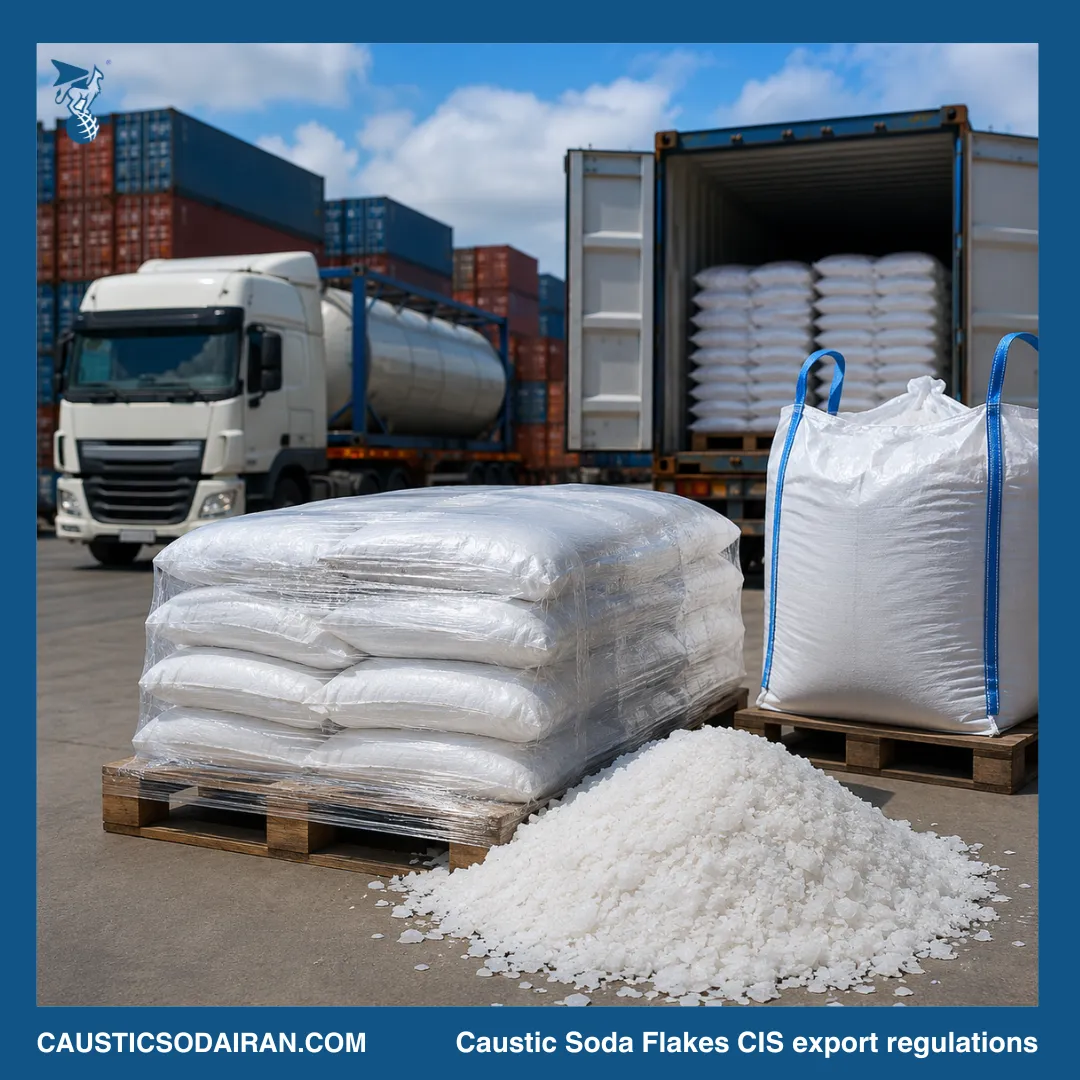
International trade in industrial chemicals requires more than competitive pricing. Companies exporting caustic soda flakes to the CIS and Caucasus region must comply with various customs regulations, packaging requirements, transportation standards, and documentation rules. Understanding caustic soda flakes CIS export regulations helps exporters minimize delays, reduce costs, and maintain long-term business relationships.
Whether shipping to Armenia, Azerbaijan, Georgia, Kazakhstan, Uzbekistan, or other neighboring markets, exporters should carefully prepare every shipment before it leaves the warehouse.
Why Export Compliance Matters
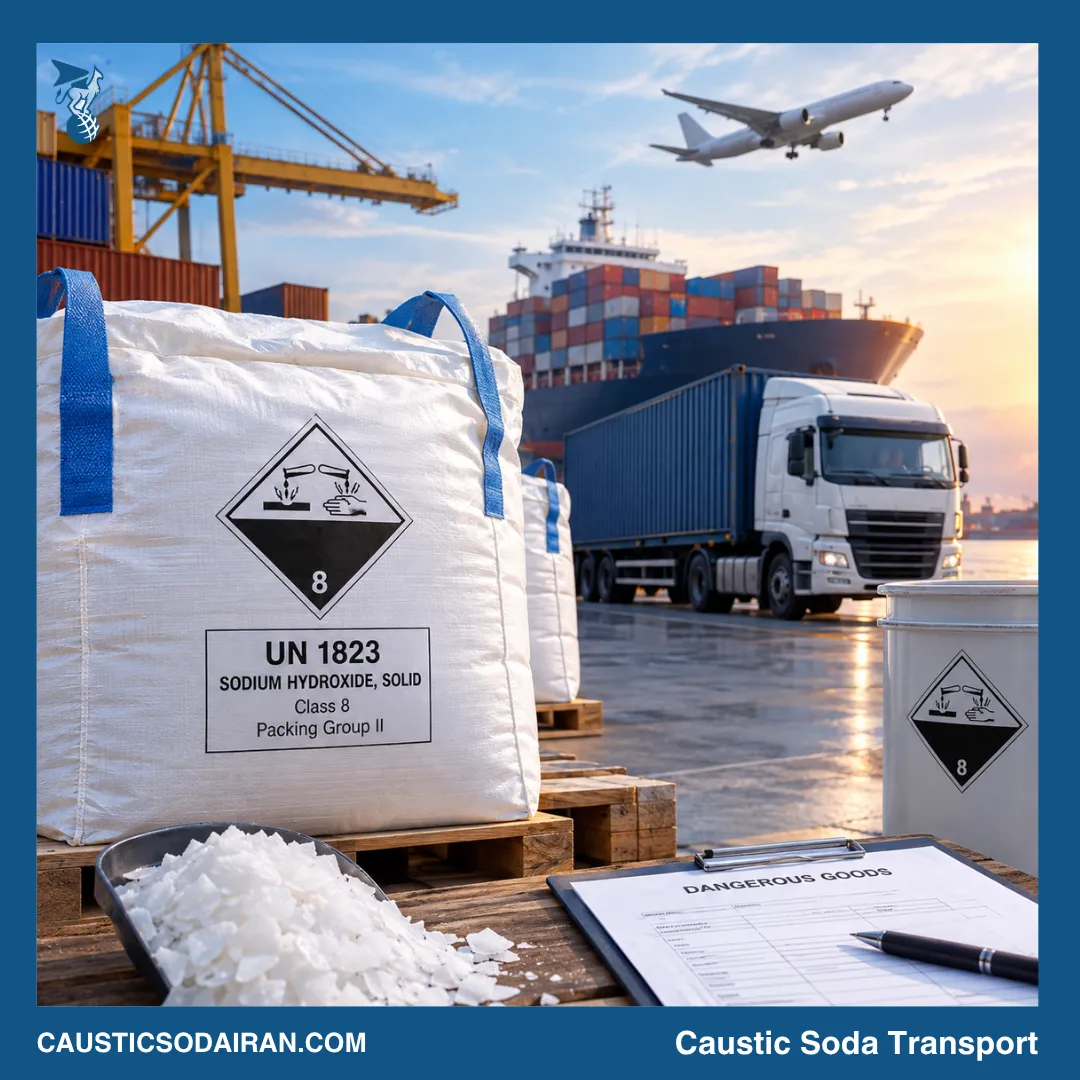
Caustic soda flakes (Sodium Hydroxide, NaOH) are classified as hazardous chemicals in international transportation. Because of their corrosive nature, customs authorities and logistics companies require strict compliance with safety regulations.
Proper compliance offers several benefits:
- Faster customs clearance
- Reduced inspection risks
- Lower chance of shipment rejection
- Improved buyer confidence
- Better protection against product contamination
Failure to meet export requirements may result in penalties, shipment delays, or damaged goods.
Understanding CIS and Caucasus Market Requirements
Although many countries follow similar international trade practices, each market has its own import procedures.
Common destination markets include:
- Armenia
- Azerbaijan
- Georgia
- Kazakhstan
- Uzbekistan
- Kyrgyzstan
- Tajikistan
Most buyers require documentation proving product quality, origin, and safe transportation before customs clearance.
Essential Export Documents
Exporters should prepare complete documentation before shipping.
Typical documents include:
Commercial Invoice
This specifies:
- Product description
- Quantity
- Unit price
- Total value
- Incoterms
- Seller and buyer information
Packing List
The packing list includes:
- Number of bags
- Gross weight
- Net weight
- Pallet information
- Package dimensions
Certificate of Origin
Many CIS buyers request a Certificate of Origin to verify the manufacturing country.
Certificate of Analysis (COA)
The COA confirms product specifications such as:
- NaOH purity
- Iron content
- Sodium carbonate level
- Moisture content
Industrial buyers usually compare the COA with their purchasing specifications before accepting shipments.
Safety Data Sheet (SDS)
The SDS provides essential handling, storage, emergency response, and transportation information required by logistics companies and customs authorities.
Packaging Standards for Caustic Soda Flakes
Packaging plays a critical role in maintaining product quality throughout transportation.
High-quality packaging should protect against:
- Moisture
- Physical damage
- Chemical contamination
- Long transit periods
Common packaging options include:
25 kg Polypropylene Bags
These are the industry standard for international exports.
Advantages include:
- Easy handling
- Lower transportation cost
- Suitable for palletized shipping
Jumbo Bags
Large industrial buyers often prefer jumbo bags for bulk handling.
Benefits include:
- Faster unloading
- Reduced packaging waste
- Lower labor costs
Palletized Shipments
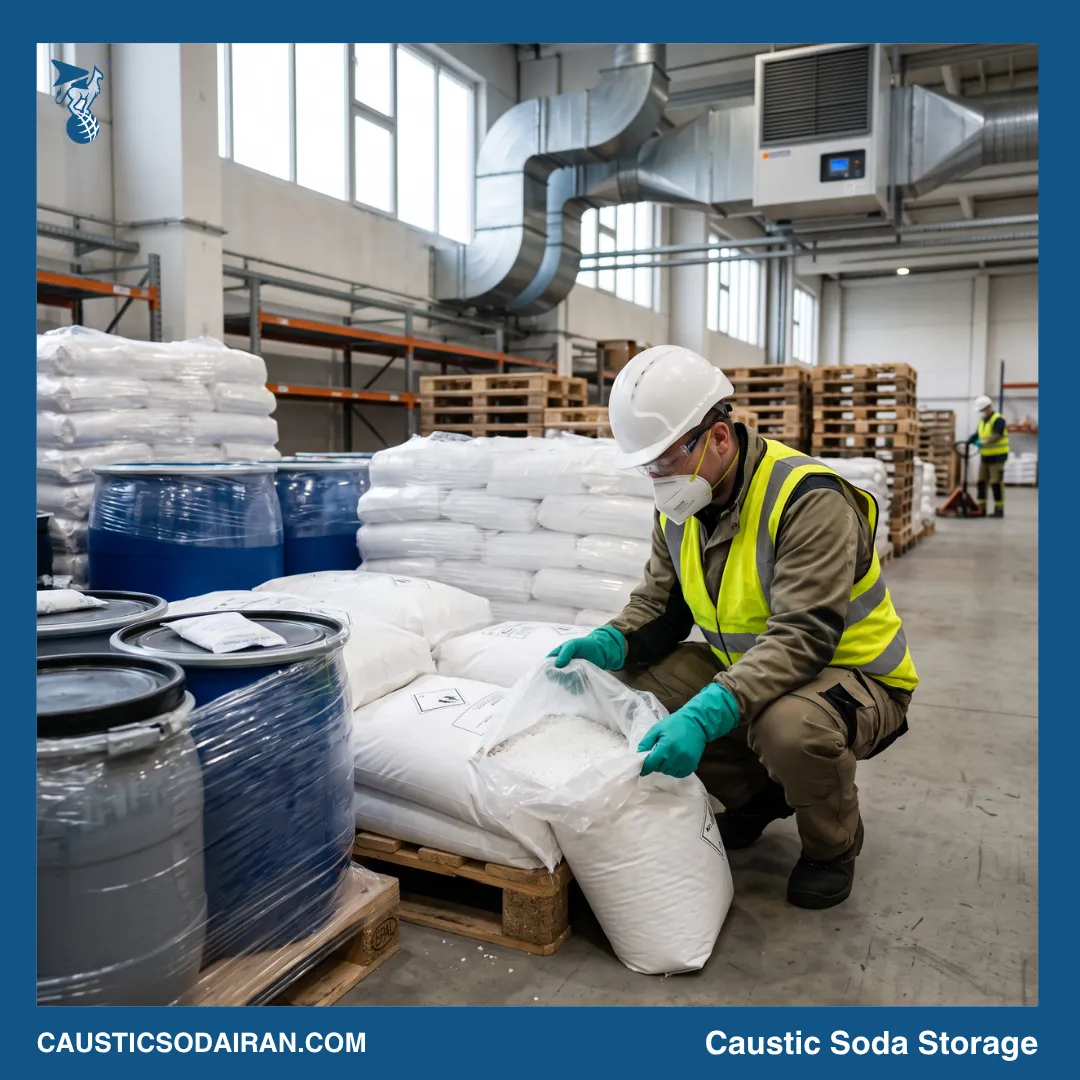
Export pallets should be securely wrapped with stretch film to reduce movement during transportation.
Labeling Requirements
Every export package should display clear labels containing:
- Product name
- Chemical name
- Net weight
- Batch number
- Manufacturing date
- Country of origin
- Hazard symbols
- Handling instructions
Proper labeling reduces customs questions and improves warehouse management.
Moisture Protection During Export
Caustic soda flakes are highly hygroscopic, meaning they absorb moisture from the air.
To prevent quality deterioration:
- Use moisture-resistant bags
- Apply sealed inner liners
- Store products indoors
- Avoid damaged packaging
- Minimize exposure during loading
Even minor moisture absorption may reduce product quality before delivery.
Transportation Considerations
For detailed handling, labeling, and transport safety practices, read our guide on safe transportation of caustic soda flakes.
The most common include:
- Road transport
- Rail transport
- Sea freight via regional ports
- Combined multimodal logistics
Selecting the appropriate transportation method depends on destination, shipment volume, and delivery schedule.
Customs Challenges
Some common customs issues include:
- Missing certificates
- Incorrect HS codes
- Incomplete invoices
- Improper labeling
- Packaging inconsistencies
Careful preparation significantly reduces clearance delays.
Quality Assurance Before Shipment
Professional exporters conduct inspections before dispatch.
Typical quality checks include:
- Bag integrity
- Weight verification
- COA confirmation
- Label inspection
- Pallet stability
- Moisture protection
These inspections help prevent customer complaints and return shipments.
Choosing the Right Packaging for Different Buyers
Packaging requirements often vary depending on the customer’s industry.
| Buyer Type | Recommended Packaging |
|---|---|
| Chemical Distributor | 25 kg PP Bags |
| Manufacturing Plant | Jumbo Bags |
| Water Treatment Company | Palletized 25 kg Bags |
| Large Industrial Buyer | Jumbo Bags with pallet support |
Understanding customer preferences improves logistics efficiency and reduces handling costs.
Sustainability Considerations
Many international buyers now evaluate environmental performance alongside product quality.
Exporters can improve sustainability by:
- Using recyclable packaging materials
- Reducing unnecessary plastic
- Optimizing pallet loading
- Minimizing transportation waste
- Improving warehouse efficiency
Sustainable packaging also strengthens supplier reputation in competitive markets.
Best Practices for Successful Exports
Exporters serving CIS and Caucasus markets should focus on:
- Maintaining consistent product quality
- Preparing complete export documentation
- Using durable moisture-resistant packaging
- Following international hazardous material regulations
- Verifying labeling before shipment
- Coordinating closely with freight forwarders
- Understanding destination-country import requirements
These practices help ensure smoother deliveries and build long-term relationships with international buyers.
Conclusion
Successfully exporting caustic soda flakes to CIS and Caucasus countries requires careful attention to documentation, packaging quality, transportation safety, and regulatory compliance. Businesses that understand caustic soda flakes CIS export regulations can reduce shipping risks, avoid customs delays, and strengthen their position in regional industrial markets. Investing in proper packaging standards and export preparation ultimately leads to safer deliveries, satisfied customers, and more sustainable international trade.

Leave a Reply