
Introduction
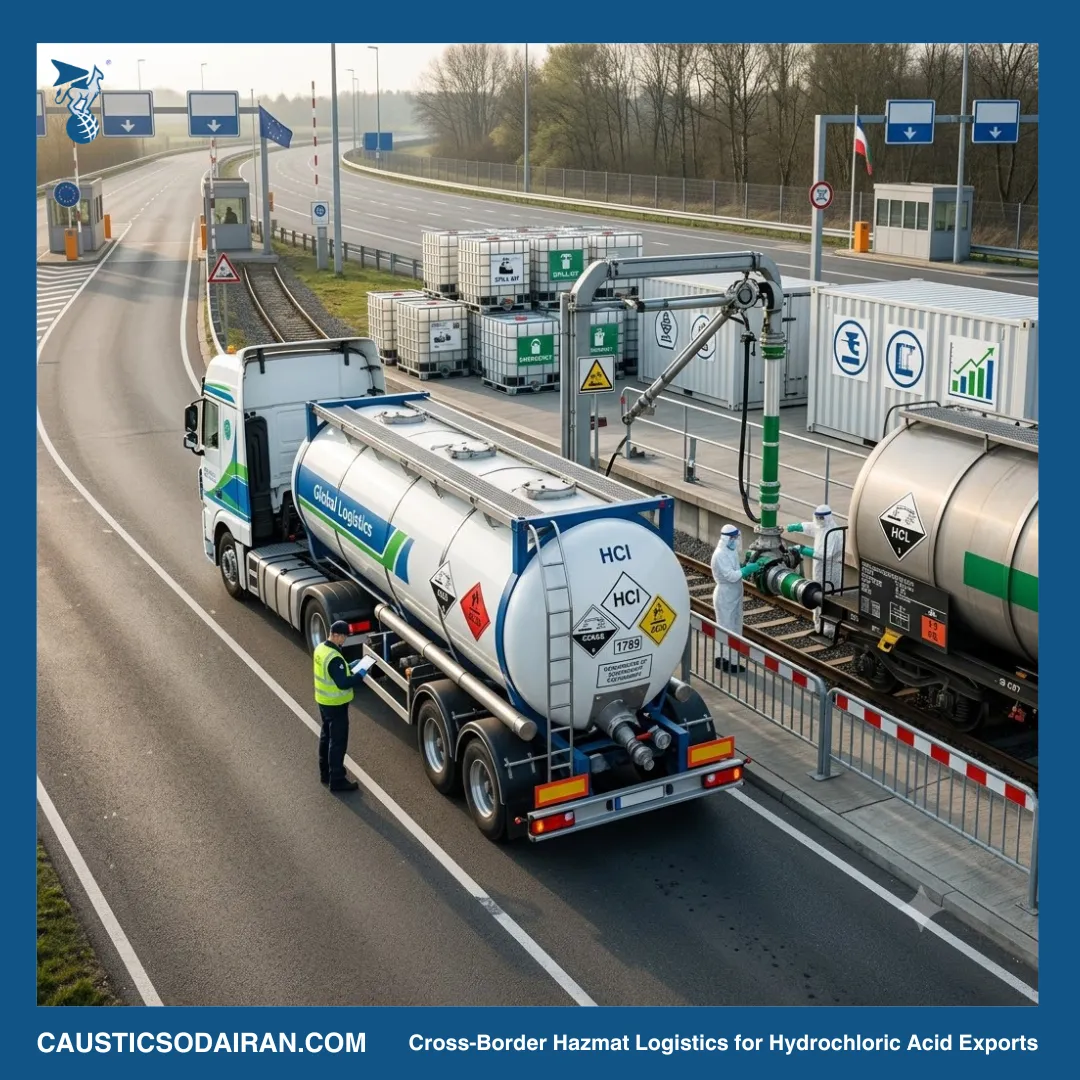
Cross-Border Hazmat Logistics for Hydrochloric Acid Exports plays a crucial role in ensuring safe transportation, regulatory compliance, and efficient international delivery of hydrochloric acid (HCl). Due to its corrosive properties, hydrochloric acid requires specialized handling, proper packaging, and strict transportation procedures to minimize risks during global shipments.
For chemical exporters and industrial buyers, effective HCl logistics management helps reduce transportation costs, prevent shipment delays, and improve supply chain reliability. A well-designed hazmat logistics strategy ensures that hydrochloric acid reaches international markets safely while meeting all required safety and regulatory standards.
Understanding Hydrochloric Acid as a Hazardous Chemical Shipment
Hydrochloric acid is classified as a corrosive hazardous material because it can cause damage to equipment, containers, and human tissue if handled incorrectly. Therefore, exporting HCl across borders requires careful planning at every stage, including packaging, transportation, documentation, and customs clearance.
Successful cross-border hydrochloric acid transportation depends on several important factors:
- Proper hazardous material classification
- Certified packaging solutions
- Accurate export documentation
- Compliance with international transportation regulations
- Safe loading and unloading procedures
By following these requirements, exporters can reduce operational risks and maintain consistent delivery performance.
Key Challenges in Cross-Border Hydrochloric Acid Logistics
Regulatory Compliance and Documentation
One of the biggest challenges in hydrochloric acid exports is complying with different regulations in international markets. Each country may have specific requirements related to chemical imports, transportation standards, and safety documentation.
Important documents for HCl shipments usually include:
- Safety Data Sheet (SDS)
- Certificate of Analysis (COA)
- Commercial invoice
- Packing list
- Dangerous goods declaration
- Export and import permits when required
Incomplete or inaccurate documentation can lead to customs delays, additional costs, and supply chain disruptions.
Selecting Suitable Packaging for HCl Transportation
Packaging selection is a critical factor in safe hydrochloric acid shipping. Because HCl is highly corrosive, exporters must use containers made from compatible materials that can withstand chemical exposure.
Common packaging options include:
- HDPE drums
- IBC totes
- Chemical-resistant tanks
- Bulk transportation containers
The right packaging method depends on shipment volume, hydrochloric acid concentration, transportation distance, and customer requirements.
Managing Transportation Risks
Hazardous chemical transportation involves several potential risks, including leakage, container damage, improper handling, and border delays.
To reduce these risks, exporters should:
- Work with experienced chemical logistics providers
- Perform regular container inspections
- Train handling personnel
- Use reliable transportation routes
- Prepare emergency response procedures
Proper risk management improves safety and protects both suppliers and customers.
Cost Optimization Strategies for Hydrochloric Acid Exports
Choosing the Right Shipment Method
Selecting the most suitable transportation method can significantly impact overall logistics costs. Exporters usually choose between different shipment options based on order size and destination requirements.
For smaller orders, drums may provide flexibility and easier handling. For larger industrial shipments, IBC totes or bulk tank transportation can reduce the cost per ton and improve efficiency.
Optimizing shipment volume helps companies balance transportation expenses with customer demand.
Improving Route Planning
Transportation routes have a direct effect on delivery time and shipping costs. Efficient route planning helps reduce:
- Fuel consumption
- Transit delays
- Border waiting times
- Additional handling expenses
Chemical exporters should evaluate routes based on safety, reliability, and total logistics costs instead of choosing only the lowest freight option.
Selecting Appropriate Incoterms
Incoterms define responsibilities between buyers and sellers during international trade. Choosing the correct Incoterm helps companies manage transportation costs and reduce misunderstandings.
Common Incoterms used in chemical exports include:
- FOB (Free On Board)
- CFR (Cost and Freight)
- CIF (Cost, Insurance, and Freight)
The best option depends on the buyer’s logistics capabilities, destination country, and risk management strategy.
Improving Delivery Efficiency in HCl Supply Chains
Digital Tracking and Supply Chain Visibility
Modern logistics technologies allow exporters and buyers to monitor shipments throughout the transportation process.
Digital tracking systems provide information about:
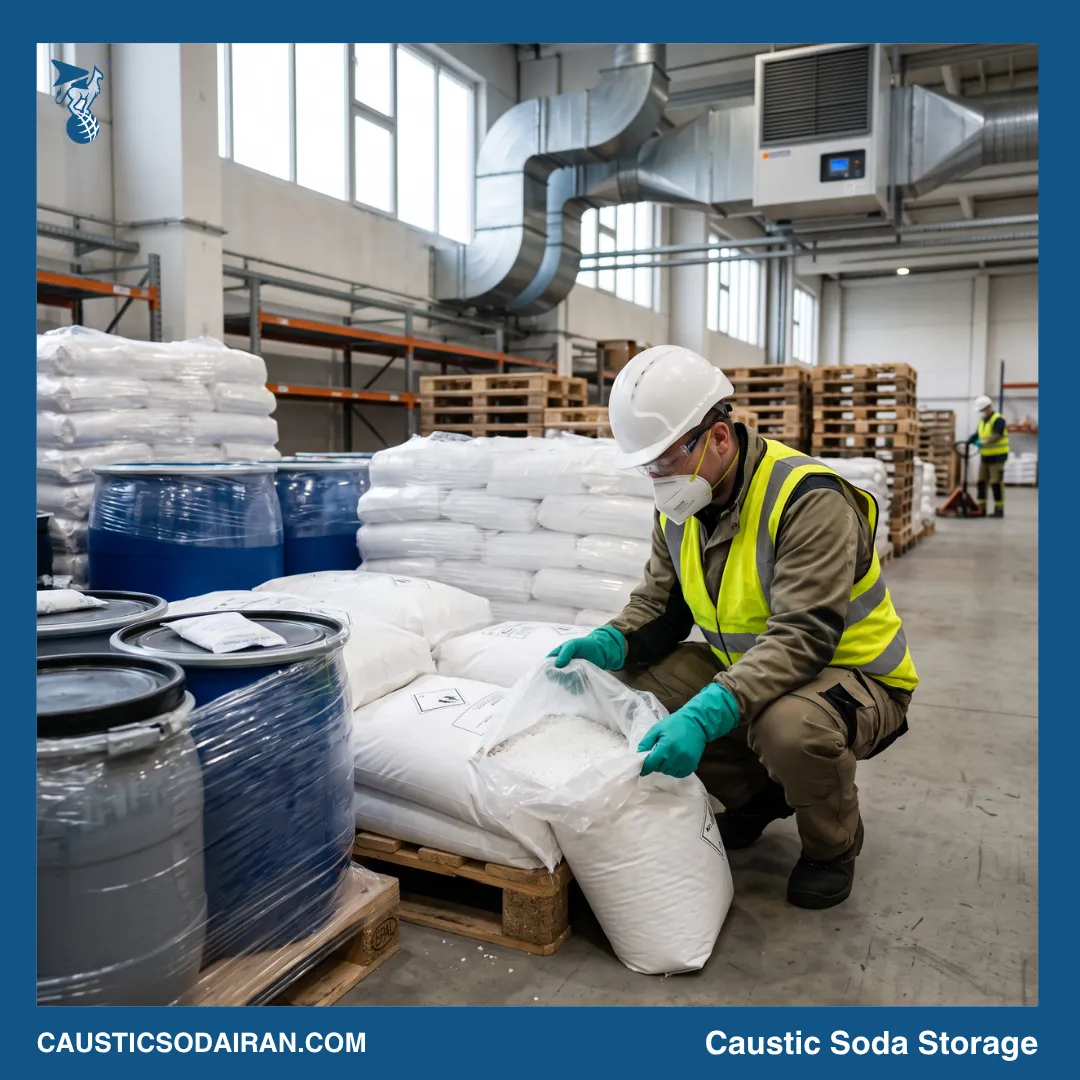
Effective chemical shipping conditions and container management are essential for maintaining product quality and preventing risks during international transportation.
- Shipment location
- Estimated delivery time
- Transportation status
- Potential delays
Improved visibility allows industrial buyers to plan production schedules more effectively and avoid unexpected supply interruptions.
Reliable Supplier and Logistics Partnerships
Working with experienced hydrochloric acid suppliers and logistics partners improves the reliability of international shipments.
Professional chemical exporters understand:
- Hazardous material requirements
- Export regulations
- Packaging standards
- International shipping procedures
A reliable supplier can provide consistent product quality while ensuring safer and more efficient transportation.
Safety Best Practices for Hydrochloric Acid Shipping
Safety is the most important factor in cross-border HCl logistics. Understanding hydrochloric acid hazards and safety requirements is essential for preventing accidents during storage, handling, and transportation.Companies involved in hydrochloric acid transportation should follow strict safety practices, including:
- Using approved chemical containers
- Providing proper employee training
- Maintaining accurate safety documentation
- Conducting regular equipment inspections
- Preparing emergency response plans
These practices help prevent accidents and ensure safe handling throughout the supply chain.
Conclusion
Cross-Border Hazmat Logistics for Hydrochloric Acid Exports requires careful coordination between chemical suppliers, logistics providers, and international buyers. By focusing on regulatory compliance, suitable packaging, cost optimization, and efficient transportation planning, companies can improve shipping safety and delivery performance.
For industrial customers, partnering with an experienced hydrochloric acid exporter ensures reliable supply, reduced logistics risks, and more efficient international chemical trade operations.

Leave a Reply